

Berlin Research News
Concerns over the EU Supply Chain Act appear overstated: New study even finds marginal long-term business benefits from mandatory due diligence
A new academic study by researchers from ESCP Business School (Berlin Campus) and Arizona State University challenges widespread concerns that the EU Corporate Sustainability Due Diligence Directive (CSDDD) will undermine the competitiveness of European companies. Analysing the French Loi de Vigilance - the closest regulatory predecessor to the EU directive - the study finds that while firms initially face higher compliance costs, they benefit from sustained efficiency gains in the long run.
Key findings at a glance
- No long-term competitive disadvantage
Mandatory supply chain due diligence does not seem to weaken firms’ long-term financial performance. - Temporary cost increases after implementation
Firms experience short-term cost increases driven by investments in compliance structures, audits and risk management. - Sustained efficiency gains over time
Operational efficiency improves steadily; on average, the ratio of costs to sales declines by around 10% in the long run. - Stronger effects for manufacturing firms
Companies with complex supply chains benefit more than service firms.
Evidence from France offers insights for EU-level regulation
The EU Corporate Sustainability Due Diligence Directive (CSDDD) will require large companies to identify, assess and mitigate human rights and environmental risks across their supply chains. Critics argue that these obligations will lead to higher costs and place European firms at a competitive disadvantage.
A new empirical study by Professor Christian F. Durach (ESCP Business School, Berlin) and Professor Yimin Wang (Arizona State University, USA) provides evidence to the contrary. Using the French Loi de Vigilance as a natural experiment, the authors find that mandatory due diligence obligations do not seem to harm firms’ long-term performance. Instead, they find measurable improvements in firms’ operational efficiency.
Introduced in 2017, the Loi de Vigilance was one of the first binding supply chain due diligence laws in Europe and is widely regarded as a blueprint for the CSDDD. The study examines 73 affected French listed companies, comparing them with a matched control group of firms from eight other European countries over the period 2006–2023.
A short-term adjustment shock, not a lasting burden
The analysis shows a clear pattern. In the first year after the French law took effect, firms experienced an increase in input costs, reflecting one-off investments in compliance systems, supplier audits and structured risk management processes. However, these cost increases proved temporary.
Over subsequent years, operational processes improved steadily. On average, the ratio of costs to sales declined by around 10%, indicating sustained efficiency gains. Importantly, the study finds no negative effects on sales or output, suggesting that competitiveness was not compromised .
“Our results indicate that mandatory supply chain due diligence does not seem to create lasting cost disadvantages,” says Christian F. Durach, Professor of Supply Chain and Operations Management at ESCP Berlin. “After an initial adjustment phase, firms appear to benefit, likely from better processes, greater transparency and more effective risk management, which can gradually and sustainably improve operational efficiency.”
Why complex supply chains benefit most
The study also identifies important differences between firms:
- Manufacturing companies experience significantly stronger efficiency gains than service firms, particularly where supply chains are complex and internationally dispersed.
- Supply base structure matters: Firms with broader supplier networks are better able to spread initial compliance costs over time, while companies with highly concentrated supplier relationships face sharper short-term cost spikes.
- Depth of implementation pays off: Firms that implemented the law more comprehensively incurred higher initial costs but achieved larger long-term efficiency gains.
Crucially, these improvements were not driven by shrinking or relocating supply chains. The number of suppliers remained broadly stable. Efficiency gains stemmed instead from improved risk identification, stronger coordination and more resilient operational processes.
About the study
The study, “Mandatory supply chain due diligence and firm performance: Evidence from the French Loi de Vigilance”, by Christian F. Durach (ESCP Business School) and Yimin Wang (Arizona State University), provides one of the first long-term, causal evaluations of mandatory supply chain due diligence.
Using a modern empirical approach with synthetic control methods, the authors isolate the effects of the French law from other regulatory influences, including France’s anti-corruption law (Sapin II). The analysis combines firm-level financial data with supplier network information to examine both short-term adjustment costs and long-term performance effects.
The working paper was published on 25 December 2025 in the SSRN Electronic Journal.
Campuses
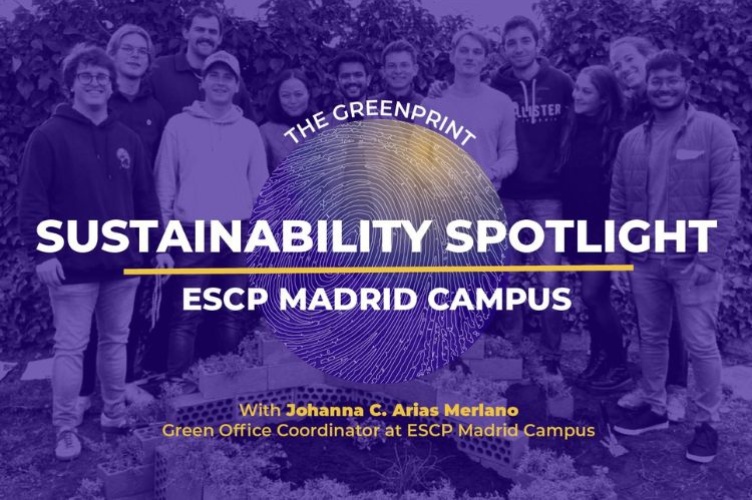
The Greenprint series reveals how sustainability takes shape differently across ESCP's campuses, spotlighting the contributors and efforts building toward a collective vision of responsible leadership and shared transformation.
As Green Office Coordinator at ESCP Madrid, Johanna Arias Merlano works alongside Professor Ramón Fisac to embed environmental consciousness into campus life. Her dual role—she also serves as Admissions and Recruitment Coordinator—gives her a unique lens to shape sustainability engagement throughout the student journey—from recruitment to enrolment.
Together, Johanna and the team collaborate with student associations, staff, and faculty to champion initiatives that not only protect the environment but also reflect the values and identity of the ESCP Madrid community.
The greatest satisfaction comes when an initiative turns into a shared habit—when a change in behaviour truly contributes to protecting the environment.
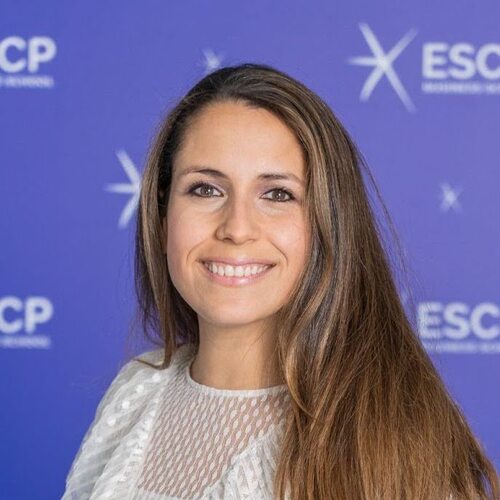 Johanna C. Arias Merlano
Green Office Coordinator at ESCP Madrid Campus
Sustainability team at the ESCP Madrid Campus
Johanna Carolina AriasManagement
 Ramon Fisac
Faculty
 Roxana Olaru
Management
 Valentin Held
Prof. of Sustainability
The local lens
The Madrid Campus’s approach to sustainability is deeply shaped by its natural surroundings and outdoor culture. Located near the mountains and surrounded by countless parks, the campus fosters a tangible connection to nature, one that informs its environmental philosophy.
“Our sustainability identity is rooted in awareness, engagement, and connection. We believe a truly sustainable campus empowers students to understand the natural systems that sustain us and to take active roles in protecting them,” shares Johanna.
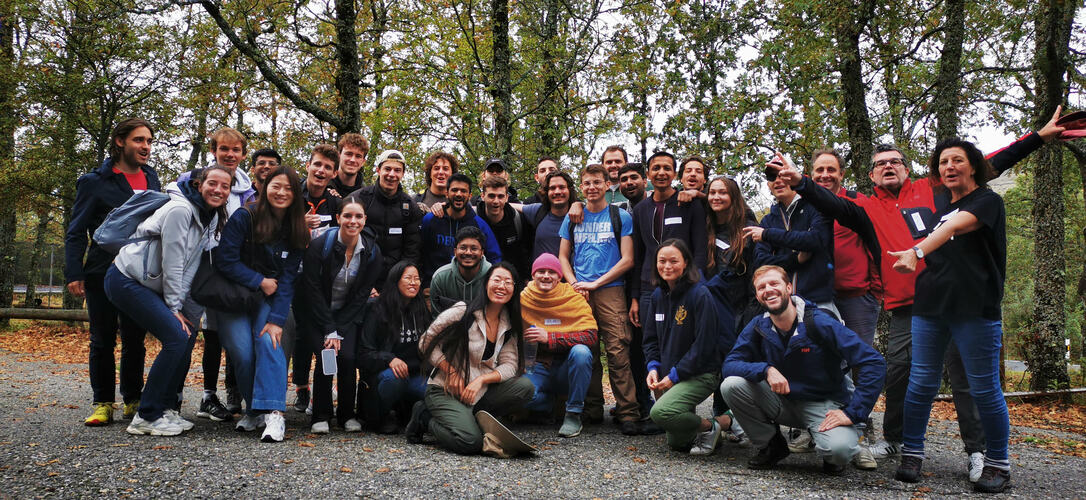
This nature-driven ethos comes to life in unique ways, from hands-on workshops to mindful mobility challenges, all designed to strengthen awareness and engagement.
“For us, sustainability goes beyond reducing waste or saving energy — it’s about cultivating a mindset that values environmental responsibility, community well-being, and long-term positive impact,” adds Johanna. “We aim to create a campus culture that lives sustainability every day, not only in theory but through shared experiences and daily actions.”
Initiative Spotlight: The Green Mobility Challenge
The Madrid Campus’s flagship initiative began when two Master in Management students cycled from Paris to Madrid as part of their multicampus journey. Their story inspired the launch of the Green Mobility Challenge, a competition awarding €1,500 to the most impactful sustainable travel proposal.
“The goal is to demonstrate—through real examples—that sustainable travel is not only possible but also rewarding, offering unique opportunities to connect with both people and nature,” shares Johanna.
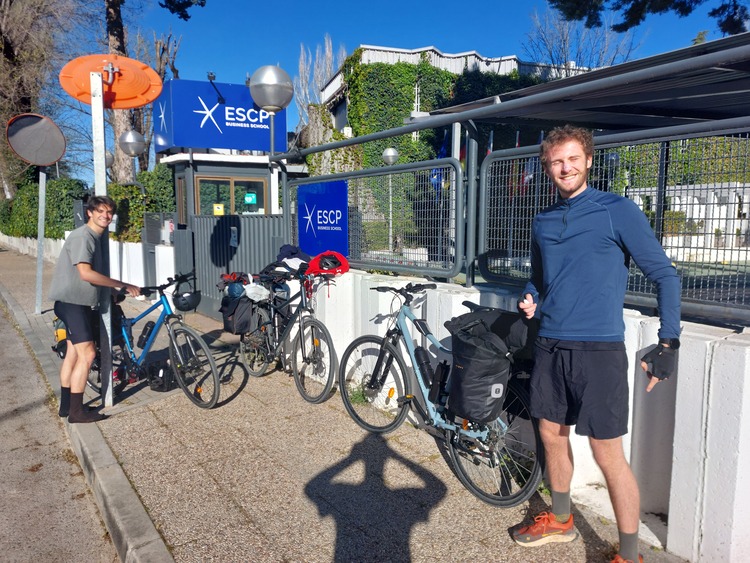
This initiative has motivated the ESCP community to adopt more sustainable travel habits. And a growing number of student trips are organised around low-impact transport options. The cultural shift toward sustainability continues to expand across the community.
Sustainability Heroes
Roxana Olaru is recognised for her pioneering contribution to early sustainability initiatives on campus. Her leadership helped launch projects such as Plant a Tree and the introduction of reusable ESCP bottles, with proceeds donated to NGOs supporting environmental causes.
Professor Lola Herrero has also had a lasting impact through her teaching and research, helping to embed sustainability thinking across the community. Her work within the RIU Hotels and Resorts Professorship in Corporate Social Responsibility and Sustainability, established in 2022, has been particularly influential. The successful implementation of the 2024 action plan led to the standardisation of the RIU Method—a structured framework aligned with the United Nations Sustainable Development Goals (SDGs) and designed to integrate sustainability into corporate practice.
Engaging with the ESCP community
The Green Office leads initiatives that bring sustainability closer to nature — encouraging students to experience, reflect, and act through hands-on activities that highlight the environment around us. They are shaping a campus where sustainability is lived, felt, and shared. Initiatives carried out so far include:
- El Camino del Anillo (The Path of the Ring): Inspired by Tolkien’s books, this two-day walk in the Sierra de Madrid helps participants reconnect with nature and develop a sustainability mindset.
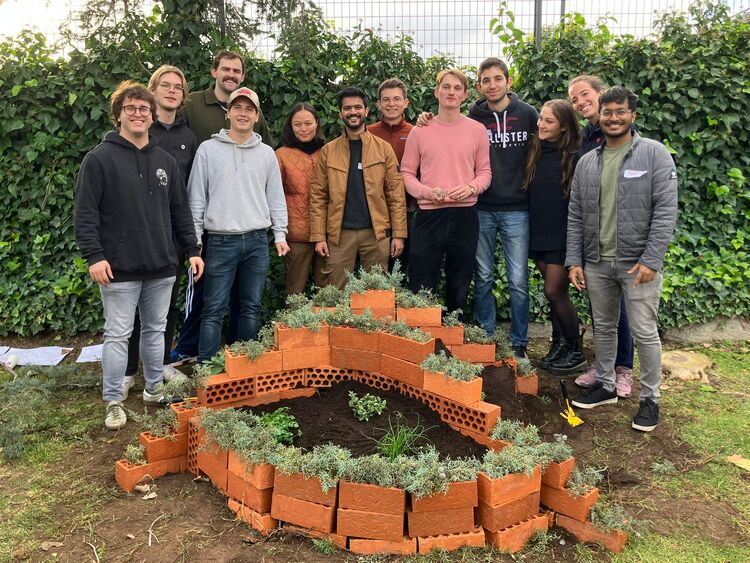
- Permanagement Workshop: A spiral garden of aromatic plants designed by Option E students, linking ecology with entrepreneurship and teamwork.
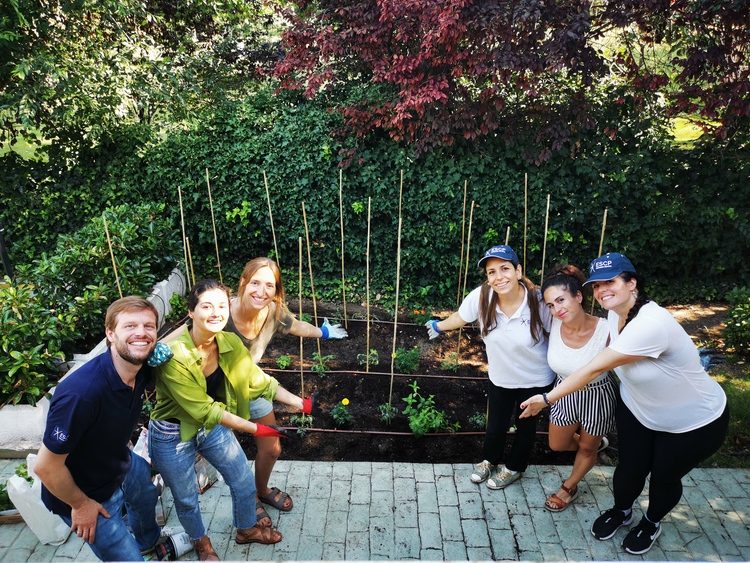
- Blossom Wellness Garden: This initiative promotes biodiversity among staff through a pollinator-friendly garden featuring aromatic plants.
- Sustainable/Green Mobility Challenge: A recurring competition encouraging students to design low-impact travel plans that promote awareness and action.
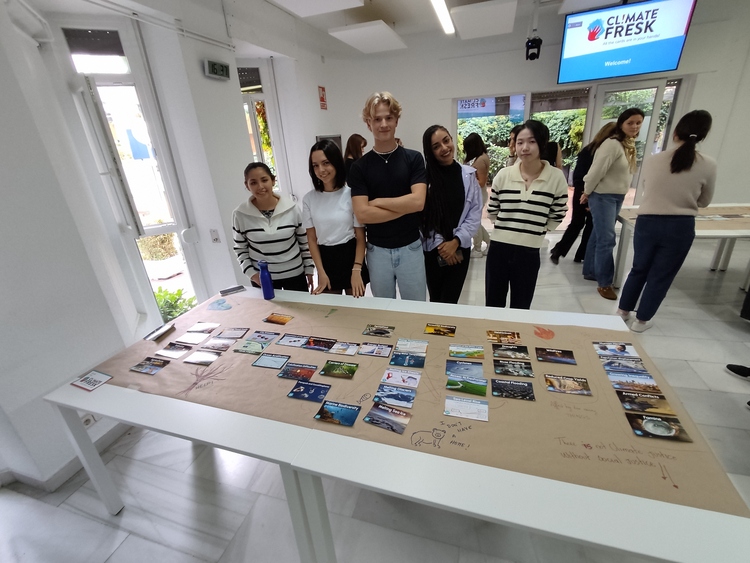
These initiatives foster environmental awareness, personal development, and a deeper connection to European values. Faculty and staff have also participated in workshops such as Climate Fresk and 2 Tonnes, as well as in hands-on initiatives like the vegetable garden and the Blossom Wellness Garden. These activities foster environmental awareness, teamwork, and connection with nature.
Student sustainability associations like GEA are also highly active — collecting feedback, organising awareness campaigns, and leading creative initiatives like the Trash Talks, which teach students how to recycle properly on campus.
What’s next?
Looking ahead, ESCP in Madrid is excited to introduce a new flagship experience: El Camino de Santiago. This cross-campus initiative aims to foster environmental awareness, personal development, and a deeper connection to European values.
The idea was proposed by Professor Javier Aguado, a regular pilgrim of El Camino, who has witnessed firsthand its transformative impact on students. This initiative will offer participants a unique opportunity to reflect, grow, and engage with peers in a meaningful and sustainable way.
More than a physical challenge, this iconic journey will be a powerful educational and community-building experience. ESCP students will walk Sarria together, connecting with nature, reflecting on sustainability, and sharing intercultural perspectives.
We are now designing a pilot project, led by students at the ESCP Madrid campus, to develop a comprehensive coordination plan and bring this initiative to life.
- Foster a sustainable mindset rooted in simplicity, awareness, and respect for natural and cultural heritage
- Encourage active student leadership in organizing meaningful, value-driven experiences
- Promote European identity by connecting students across campuses in a shared journey reflecting cooperation, diversity, and solidarity
El Camino de Santiago will become not only a symbol of sustainability and unity, but also a defining element of our annual programming—reinforcing ESCP’s identity as a European business school committed to impact and values.
Relevant links
Campuses
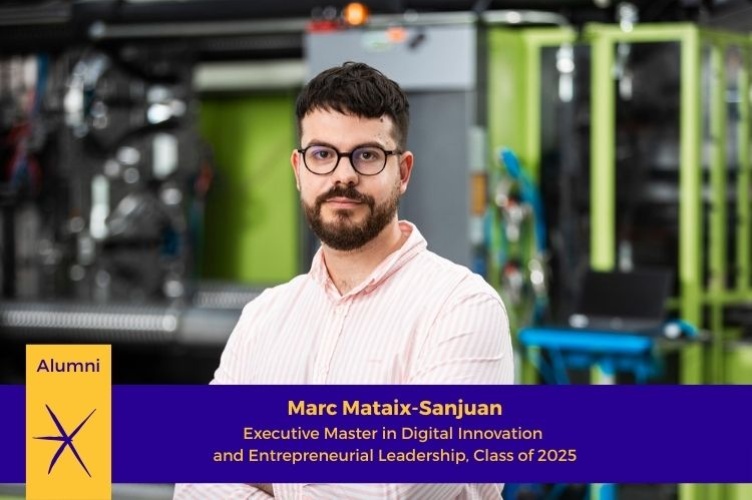
Executive Master in Digital Innovation and Entrepreneurial Leadership (EMDIEL)
Meet the Alumni: Marc Mataix-Sanjuan, Class of 2025
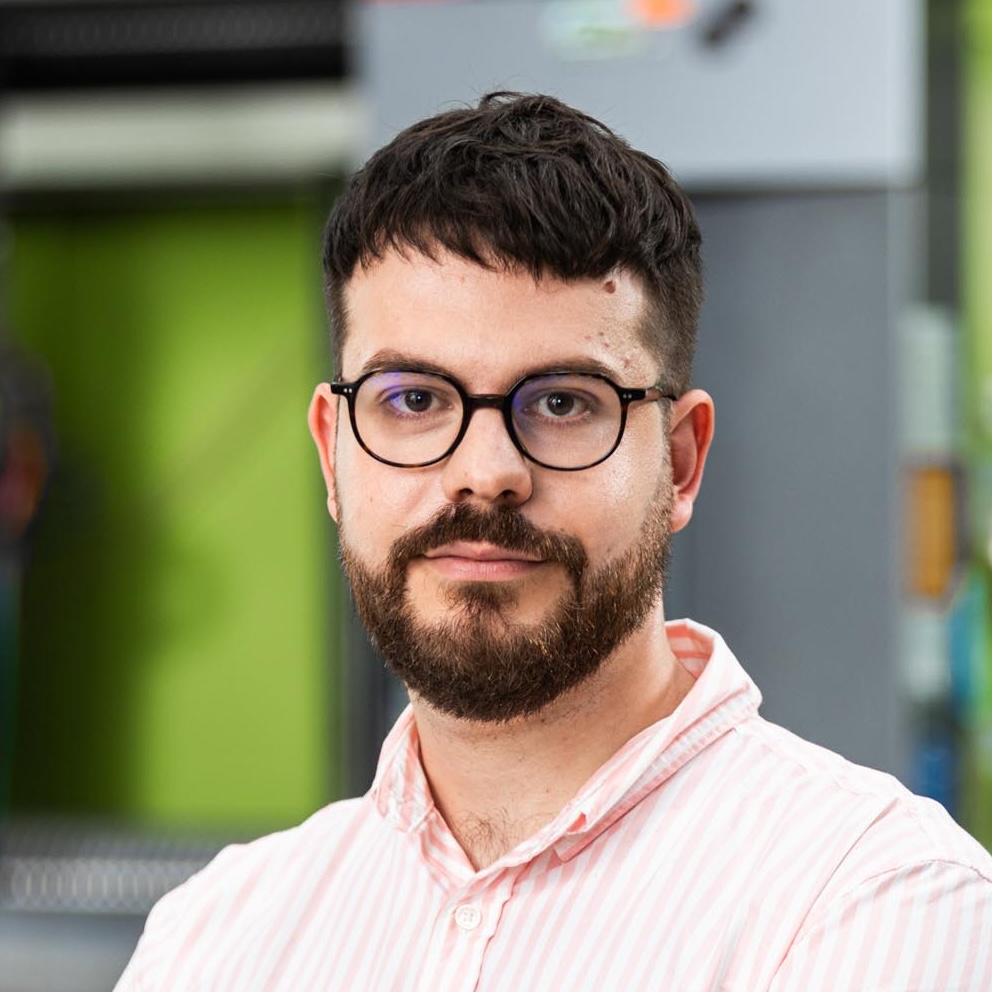 I’m a Spanish CFO who started in M&A consulting, then walked away from the safety of slides to run finance in a German SME. By asking questions no one had answers to, or patience for. I ended up leading its digital transformation. Techno music, its discipline, repetition, and controlled chaos, deeply shapes how I think about systems, execution, and leadership.
What motivated you to choose the EMDIEL programme?
I’ve always been a hard-core financier. I genuinely love the discipline and have even taught it but I was also clear about where it stopped being useful. My way of solving problems was boxed in by financial logic, and my understanding of digitalisation fell apart the moment Excel stopped being enough. I was looking for a programme that would stretch how I think, and give me enough digital fluency to properly engage with, and be taken seriously by, digital professionals.
How has EMDIEL contributed to your professional growth so far?
EMDIEL has fundamentally changed who I am as a professional. Beyond knowledge and network, it gave me something more important: a much clearer awareness of who I am, and where my particular mix of skills actually creates value. Before joining the programme, I would never have seen myself as anything close to an entrepreneur. Today, I’m back in Barcelona and about to start a project I’m helping build from scratch, one that feels genuinely aligned with who I am and how I work. I believe this shift is unique to how the programme is structured. Skills and knowledge matter, of course, but this kind of professional realignment only happens in the EMDIEL room.
What personal habit or way of working did EMDIEL help you evolve the most?
EMDIEL gave me a renewed sense of security and speed. I was hard-wired to believe that being professional meant planning every possible scenario to reduce risk, which makes sense given my finance background. Through the programme, I learned that depending on the problem, it can be far more professional to start early in a structured way, learn through action and iterate, and that this is often cheaper as well.
This shift in mind-set opened challenges I simply couldn’t tackle before. And to be clear, it’s not an either–or choice: it’s both. Knowing when to plan and when to move has brought me much closer to innovators, entrepreneurs, and disruptors in ways I wouldn’t have managed otherwise.
What about the structure of EMDIEL made the learning feel different from other programmes you’ve experienced?
What felt different is that EMDIEL doesn’t separate thinking from doing. You’re not asked to first understand something perfectly and then apply it later. The structure puts you in situations where you have to engage and take decisions while things are still unclear. That forces learning to happen in motion, not in retrospect.
At the same time, there’s enough structure to stop it becoming chaotic. Concepts are introduced just when they’re needed, not as an abstract toolkit. That made the learning stick, because it was immediately connected to real questions I was already dealing with.
The other difference was the people and the setup. With such diverse backgrounds and locations, a lot of the learning happened outside the formal sessions. You end up testing ideas in conversation, not just in assignments. Over time, it feels less like attending a programme and more like being inside a working environment that reshapes how you think and act.
What key skills did you develop through the EMDIEL programme?
The most valuable thing I developed was a way of dealing with uncertainty and volatility that is structured, almost scientific, but still moves things forward. EMDIEL cut through a lot of noise and gave me clarity on how to act when information is incomplete and the ground keeps shifting.
On digitalisation, the mission is accomplished. I can now sit with tech teams who, let’s be honest, rarely love finance or management consultants and genuinely understand how they think and work.
In addition, through a mix of theory, hands-on experimentation, and real cases, I finally built a grounded understanding of what AI actually is, and how to apply it productively in a business context, beyond hype or demos.
Lastly, and more unexpectedly, the diversity of both the people and the locations reshaped how I think about leadership. Experiencing different cultures up close made it clear how powerful diversity becomes when it’s paired with real psychological safety not as a value statement, but as an execution advantage.
How valuable did you find the network of classmates and faculty?
When I say I’m studying alongside someone whose dream is to mine in space - and who actually secured a grant during the programme to start developing that technology - people think I’m joking. I’m not. That’s genuinely the calibre of people you find in EMDIEL, both among the students and the faculty.
What’s different is that the network isn’t built on politeness or status, it’s built under pressure. Relationships form while people are exposed, confused, and trying things that might fail. That creates a very different kind of bond. You don’t reach out to EMDIEL people when things are polished or when you want to showcase success, you call them when things are messy and you don’t yet have a clear story.
When I started sketching my new project in Barcelona, the very first thing I did was call another EMDIEL participant for help. The real value isn’t access, it’s trust at low ego cost. And you only fully realise that once you actually need help before you know where you’re going.
At what point did you realise the programme was changing how you think or act?
One year into the programme, a personal branding exercise caught me off guard. I saw myself as analytical; my peers kept pointing to empathy I hadn’t fully claimed. That shift still shapes how I lead today: less performing, more being present and creating moments with people, not bullet points in slides. And decisions land better because of it.
What do you feel more comfortable saying “yes” to today?
I feel more comfortable saying yes to situations that are still forming, where not everything is defined upfront. Before, I had a tendency to look for clarity, structure, or a solid plan before committing. Now I’m much more at ease stepping into projects where the direction will only become clear through action.
Campuses

Episode 3
From the series Standing together: ESCP community united against gender-based and sexual violence
A conversation between Isabelle Beyneix, Associate Professor (HDR) in Private Law and Scientific Director of the MSc in Media at ESCP Business School, and Marie-Pierre Gracedieu (ESCP 99), co-founder & CEO, Le Bruit du Monde, who published “Mazan: an anthropology of a rape trial”.
Publishing as a space for independent and collective voices
Isabelle Beyneix: In 2021, you founded your own publishing house, Le Bruit du Monde, together with Adrien Servières, under the Editis Group, after having worked as a literary director and then as a series editor at Gallimard. Could you explain what motivated you to create your own publishing house? Did you feel that a particular voice was missing in the publishing landscape?
Marie-Pierre Gracedieu: I spent around fifteen years nurturing two remarkable collections of foreign literature, bringing forgotten classics back to light—such as works by Virginia Woolf or Stefan Zweig—while also introducing new voices like Sofi Oksanen and Anna Hope.
In 2020, a meeting with a member of the Editis Group made me realise that I now wanted to channel my energy and curiosity into a more personal project. I knew that I would continue to observe the world and the bold voices that seek to describe it, but I wanted to do so from Marseille—a city where I was certain to encounter stories different from those written in Paris.
I have had a close relationship with Marseille since my twenties and deeply appreciate both its cultural richness and its international dimension. I also wished to focus my efforts on publishing around ten titles per year. By partnering with Adrien, who had solid experience in distribution and bookselling, I knew I could rely on a strong ally to ensure that our books would reach journalists, booksellers and readers.
Isabelle: How do you work within the Editis Group (owned by Mr Daniel Křetínský since its acquisition from Vivendi in 2023)? Do you enjoy full editorial independence? What are the advantages of being affiliated with such a group?
Marie-Pierre: I have enjoyed complete editorial independence in the choice of the texts we publish since the creation of the publishing house in March 2021. Our authors often address political issues, but they do so by prioritising nuance and by avoiding clichés and oversimplifications.
Publishing “De notre monde emporté”, Christian Astolfi’s novel inspired by the closure of the shipyards in La Seyne-sur-Mer, involves both reflecting on the loss of skills and jobs and recalling the harsh working conditions endured by those workers.
The Editis Group provides us with the means to pursue our ambitions. It allows us to assume the risks inherent in publishing first novels or works of foreign literature. We benefit from the services of Interforum, a high-quality distributor, and from the support of group employees who handle the sale of subsidiary rights—paperback editions, foreign rights, film adaptations, and so on. Exchanging with these colleagues also allows us to gain perspective on our own activity. Establishing a publishing house that is open to the world, and based in Marseille, requires constant effort, and it is invaluable to draw on the experience of other publishers.
Gender-based violence, media responsibility and societal change
Isabelle: Your publishing house produces narratives and novels, and “Mazan, An Anthropology of a Rape Trial” is, to the best of my knowledge, your first collective essay dealing with a major social issue. What led you to embark on this new type of publication? Was it primarily the desire to address the Mazan rape cases? Do you envisage publishing further works on other societal issues?
Marie-Pierre: Each book is selected for its singularity. There is never any question of creating a collection or adhering to a predefined “type” of publication. We had previously been approached by journalists wishing to write about Mazan, but we declined, fearing overly immediate analyses or excessively personal viewpoints on the case.
In early January 2025, my attention was drawn to a LinkedIn post by an anthropologist from the Norbert Elias Centre, a CNRS research unit in Marseille. Lucille Florenza described the complex emotions she experienced upon returning from Avignon, where she had spent nearly two months with thirteen other anthropologists observing the Mazan trial—from inside the courthouse to café terraces and the surroundings of public institutions.
Intrigued by what appeared to be an extraordinary research experience in the social sciences, I invited her to meet me. A few weeks later, I discovered the first part of a narrative that finally enabled me to reflect on what Dominique Pélicot had inflicted on his wife, and above all on the collective and deeply intimate consequences of this case. I was struck by their ability to speak with a single voice about the unfolding of the case on the public stage of the city of Avignon, without ever sacrificing narrative tension or nuance.
I was also deeply moved by the collective voice they developed following the publication of the book, which allows us to grasp the strength of collective endeavour. I would very much like to experience similarly inspiring editorial projects in the field of social sciences. Other subjects could lend themselves to this approach, and some books might even reveal the existence of collectives engaged in missions of general interest that transform our lives. I am actively reflecting on this with several authors from the publishing house.
Isabelle: What is your assessment of the evolution of media coverage of violence against women?
Marie-Pierre: I was born at the end of the 1970s, and I therefore lived for a long time in a society that either silenced or relativised violence against women. I can only welcome the media attention these issues now receive. However, I regret the speed at which events succeed one another, with one case often eclipsing the previous one.
That is the nature of the media cycle, but I far prefer the space for reflection offered by books. It is essential to study these cases in depth and to reveal all the factors that “authorised” such violence, which often lie in the protagonists’ childhoods and education.
Isabelle: How do you explain the silence of men in relation to an exceptional case such as the Mazan affair?
Marie-Pierre: It is not easy to accept that a man could place his wife at the centre of such a system of violence, and that so many men could participate in it over so many years. I imagine that men may fear, more than women, being associated with such a figure—and yet the monster exists within each of us.
I have nevertheless observed that some men did not remain silent and that they too are searching for answers, hoping to find a way for shame to change sides.
Recognising and protecting rights: The legal response to gender-based violence in France
Marie-Pierre: Isabelle, as an Associate Professor in Private Law, I would like to get your understanding of the evolution of the treatment of Gender-Based and Sexual Violence in French Law.
Isabelle: It is a long and still unfinished process! It is a long and still unfinished process. There was a time when the killing of a woman by a man was characterised as a crime of passion, cloaked in fatal romanticism, and when street harassment was regarded as a socially acceptable form of courtship. Men’s desire was assumed to justify excess, and such conduct was not considered aberrant.
Since the #MeToo movement, gender-based violence has been defined as any harmful act committed on the grounds of sex, gender, gender identity, sexual orientation or related characteristics. Sexual violence is now understood as a form of physical assault of a sexual nature, including non-consensual sexual intercourse. While these developments are significant, they remain insufficient, as illustrated by the Council of Europe report of 16 September 2025 highlighting the persistently low rate of prosecution for sexual violence in France.
More generally, women’s rights have evolved only recently. Divorce by mutual consent dates from 1975, while the equalisation of the legal age of marriage at 18 and the inclusion of “respect” among marital duties appeared only in 2006. Legislative milestones include the Neuwirth Act of 1967 on contraception, the Veil Act of 1975 legalising abortion, the Neiertz Act of 1993 criminalising obstruction of access to abortion, and the elevation of abortion to a constitutional right in 2024.
The recognition of marital rape stems from a 1990 ruling of the Criminal Chamber of the Court of Cassation, and the explicit incorporation of the absence of consent into the definition of rape has only very recently been achieved. Criminal law reforms addressing domestic violence, sexual harassment and revenge porn further attest to substantial progress.
Nevertheless, these advances are recent and fragile. Experience shows how quickly progress may erode in times of political or social upheaval, increasing the risk of regression driven by elections, religious influence or crises. Moreover, these protections benefit only a fraction of women worldwide. Resistance persists among those who perceive gender equality as a threat to a long-established order rooted in domination rather than nature.
While many struggles remain—such as equal pay and the sharing of domestic labour—the most fundamental battle is that of attitudes. Women’s rights are not special rights but fundamental rights, and their preservation requires sustained collective commitment from both women and men. Failing this, the experience of Western women may prove to have been no more than a fleeting interlude, destined to become a myth—much like that of the Amazons.
Campuses
Related stories

News 20/11/2025
Interview
#1 Violence Against Women: Acting Where Pain Falls Silent
A conversation between Ghada Hatem (ESCP 11), founder of La Maison des Femmes in Saint-Denis (2016), and Louise Blin (Bachelor 2025 alumna and MSc in International Business & Diplomacy student)
News 10/12/2025
Interview
#2 How Tribunes, an ESCP student association, creates a space for students to learn, question, and commit to change
A conversation between Aurélie Dumond, Inclusion & Diversity Officer at ESCP and Ariane Bailet and Antonin Rousseau, ESCP students and members of the student society Tribunes.
News 16/02/2026
Interview
#4 Art in action: sharing ESCP staff competencies and creativity in addressing gender-based and sexual violence
Sandrine Kiefer, Head of Internal Communications at ESCP, and Sabrina Saase, Health & Well-Being Manager at ESCP’s Berlin Campus, share their activism.

Corporate Governance Today
Businesses today operate under intense scrutiny. From climate impact and diversity to executive pay and data privacy, organisations are expected not only to deliver financial results but also to demonstrate accountability, transparency, and ethical leadership.
Corporate governance plays a central role in meeting these expectations. When governance is weak, companies expose themselves to mismanagement, reputational damage, and even collapse. When governance is strong, it supports trust, resilience, and long-term value creation. This article explains what corporate governance is, why it matters, and how future leaders can develop the skills to apply it effectively.
Defining corporate governance
A system of accountability and ethical leadership
Corporate governance refers to the framework of rules, practices, and processes by which a company is directed and controlled. According to the OECD , good corporate governance helps ensure that companies use resources responsibly, attract investment, and remain accountable to shareholders and other stakeholders.
In practice, corporate governance balances the interests of multiple groups: shareholders, management, employees, customers, suppliers, regulators, and the wider community. At its core, governance is about checks and balances—making sure that no individual or group holds unchecked power and that decisions align with both organisational objectives and ethical standards.
Stakeholders and the role of transparency
Corporate governance also defines who a company is accountable to. While earlier models focused mainly on shareholder interests, modern approaches increasingly recognise broader stakeholder responsibilities, including social and environmental impact.
Transparency is essential to this shift. Clear reporting, independent audits, and credible ESG disclosures allow stakeholders to understand how decisions are made and how risks are managed. Without transparency, even profitable companies risk losing trust and legitimacy.
Why corporate governance is essential for business success
Strong corporate governance is not an optional add-on. It provides the foundation for resilience, reputation, and sustainable performance.
Long-term value creation and resilience
Good governance encourages organisations to look beyond short-term results. Boards that take governance seriously consider long-term risks such as climate change, digital disruption, regulatory shifts, and supply-chain vulnerabilities when shaping strategy.
Research following major financial and economic crises has shown that companies with stronger governance structures tend to adapt more effectively and recover more quickly. By integrating risk awareness and strategic oversight, governance supports durability in uncertain environments.
Trust, reputation, and investor confidence
Effective governance builds trust among investors, regulators, employees, and customers. Transparent financial reporting, clear ethical standards, and independent oversight reduce uncertainty and perceived risk.
Studies by consulting firms such as McKinsey indicate that many institutional investors are willing to value well-governed companies more highly, viewing strong governance as a signal of reliability and long-term stability.
Avoiding risk, waste, and ethical pitfalls
Weak governance can lead to mismanagement, inefficiency, or major ethical breaches. Well-known corporate scandals have shown how poor oversight can destroy value and credibility.
By contrast, strong governance frameworks help organisations identify risks early, enforce accountability, and allocate resources responsibly. Governance is therefore not only defensive; it also supports better decision-making and sustainable performance.
The five core principles of corporate governance
Although governance practices vary across regions and industries, most frameworks are built around five widely recognised principles:
Fairness: Treating stakeholders equitably
Fairness ensures that all stakeholders are treated consistently and without undue advantage. For shareholders, this includes protection of minority interests. For employees and partners, it means clear rules and equal opportunities.
Transparency: Building trust through visibility
Transparency requires open communication about performance, risks, and decision-making. Regular reporting and disclosure allow stakeholders to make informed judgments.
Responsibility: Acting in the company’s best interests
Boards and executives must act responsibly, prioritising long-term organisational health over personal or short-term gain. Responsible leadership. includes compliance with laws and ethical standards.
Accountability: clear ownership and oversight
Accountability means decision-makers are answerable for their actions. Boards oversee management, management reports accurately, and independent audits reinforce integrity.
Risk management: understanding and mitigating uncertainty
Effective governance does not eliminate risk but ensures it is identified, assessed, and managed. Robust risk frameworks help organisations anticipate challenges and respond proactively.
Corporate governance models around the world
Corporate governance is not uniform. Different regions have developed distinct models shaped by legal traditions, market structures, and cultural norms.
The Anglo-American model
Common in countries such as the United States and the United Kingdom, this model emphasises shareholder primacy. Ownership is often dispersed, and boards include independent directors tasked with monitoring management. Critics argue it can encourage short-termism, though stakeholder and ESG considerations are increasingly integrated.
The Continental European model
Found in countries such as Germany and France, this model takes a broader stakeholder approach. Governance structures often include two-tier boards, with employee representation and a stronger focus on long-term stability.
The Japanese model
This model reflects long-term relationships between companies, banks, and employees. Boards tend to include more insiders, promoting consensus and continuity. While this can foster stability, it may also limit independent oversight.
Corporate governance structure: key roles and responsibilities
Strong governance depends on clearly defined roles that balance strategy, oversight, and execution.
Board of directors: strategy and oversight
The board sets strategic direction, monitors performance, and protects stakeholder interests. Specialised committees (such as audit or risk committees) support focused oversight.
Independent directors and audit committees
Independent directors provide objective perspectives and strengthen credibility. Audit committees oversee financial reporting, internal controls, and compliance, reinforcing transparency.
Senior management: ethical leadership in action
Senior management executes the board’s strategy in daily operations. Beyond operational decisions, management plays a critical role in embedding ethical standards and governance principles throughout the organisation.
How to implement a corporate governance framework
Effective governance requires intentional design and continuous evaluation.
Define ethical policies and internal controls
Codes of conduct, compliance rules, and internal audits establish clear expectations around behaviour, conflicts of interest, and accountability.
Build a diverse and competent board
Boards benefit from a mix of expertise, backgrounds, and perspectives. Diversity improves decision-making and enhances risk awareness.
Evaluate governance performance regularly
Regular board evaluations help identify gaps in skills, oversight, or processes, ensuring governance remains effective over time.
Align governance with sustainability and ESG goals
Modern governance increasingly integrates environmental and social considerations into strategy, reflecting regulatory expectations and stakeholder priorities.
Plan for leadership succession
Succession planning ensures continuity and reduces disruption during leadership transitions, strengthening organisational resilience.
How to assess corporate governance in a company
Evaluating governance helps investors, regulators, and employees understand a company’s long-term prospects.
What to look for
Positive indicators include transparent reporting, independent oversight, clear ethical policies, and effective risk management systems.
Warning signs of weak governance
Red flags include excessive concentration of power, limited transparency, lack of board independence, and repeated regulatory issues.
The “4 Ps” framework
Many practitioners also assess governance through four practical dimensions:
- People: leadership quality, board competence, and organisational culture
- Process: decision-making structures, controls, and reporting mechanisms
- Performance: financial, social, and environmental outcomes
- Purpose: alignment between governance, strategy, and mission
Together, these elements show how governance functions in practice.

In summary: why corporate governance matters
Corporate governance shapes how organisations earn trust, manage risk, and create sustainable value. For companies, it provides stability and credibility. For future leaders, mastering governance means learning how to balance performance with responsibility.
Strong governance is not only about compliance. It is about building organisations that can perform, adapt, and contribute positively to society over time.
ESCP's perspective on corporate governance
Preparing responsible decision-makers
At ESCP Business School, corporate governance is approached as a core leadership capability. Students learn how accountability, transparency, and ethical reasoning shape decision-making in complex organisations.
Learning through practice and perspective
Through case studies, simulations, and group work, students explore governance challenges across different regulatory and cultural contexts. Exposure to multiple European business environments encourages comparative thinking and long-term perspective.
By combining analytical rigour with experiential learning, ESCP equips future leaders to apply governance principles responsibly in a global economy.
Programmes to master board governance and ESG strategy
Students can explore governance through programmes like the Bachelor in Management (BSc), the MSc in International Business & Diplomacy or the Global Executive PhD. All programmes encourage international exposure, ethical leadership, and ESG-driven strategies, equipping graduates to navigate the evolving demands of global business.
FAQ
Corporate governance is the system of rules, processes, and practices by which a company is directed and controlled. It ensures accountability, fairness, and transparency between a business and its stakeholders.
The five core principles are fairness, transparency, responsibility, accountability, and risk management. Together, they provide the foundation for ethical and effective decision-making.
The main theories are the agency theory (shareholder vs. management interests), stewardship theory (managers as stewards of the company), stakeholder theory (balancing all stakeholder needs), and resource dependency theory (boards providing access to resources and networks). These theories explain different approaches to aligning governance with business goals.
The OECD defines corporate governance as the system by which companies are directed and controlled. It highlights how governance structures balance the interests of shareholders, management, and wider stakeholders.
Relevant link
Campuses
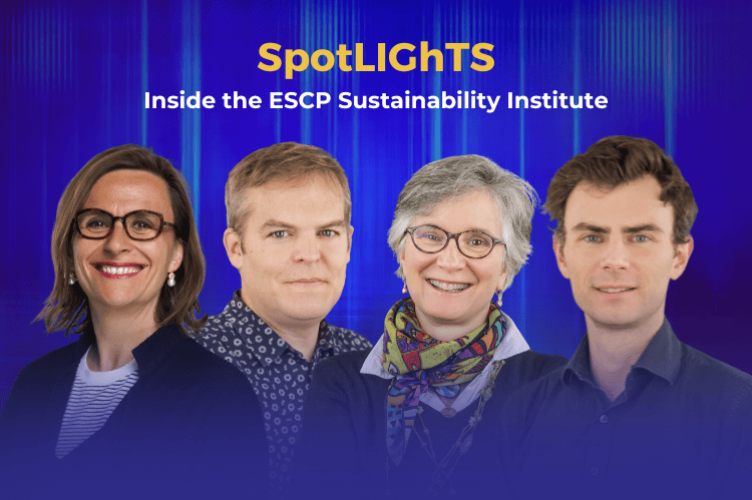
How ESCP’s Sustainability Institute engages students in navigating ecological limits, organisational realities and contested knowledge
On 24 January, the International Day of Education marks the role of education in peace and development. Since its proclamation by the United Nations General Assembly in 2018, the day has highlighted the importance of inclusive and equitable education in addressing structural inequalities and long-term societal challenges.
The theme of the International Day of Education 2026, “The power of youth in co-creating education”, draws attention to students and young people as active participants in shaping educational content, methods and priorities. In the field of sustainability, this theme raises an important question: how can education be co-created when ecological limits, social tensions and contested knowledge increasingly shape the conditions under which organisations and societies operate?
At ESCP Business School, this question lies at the core of the work carried out by the Sustainability Institute. Its research and teaching do not approach sustainability as an add-on to existing managerial frameworks. They start from the observation that climate change, biodiversity loss and social inequalities already structure organisational decisions, professional trajectories and public debate, often in ways that are uncomfortable, ambiguous and unresolved.
From Anthropocene to Organocene: organisations at the centre
Research conducted within the Sustainability Institute is grounded in a shared analytical perspective: ecological crises are inseparable from organisational forms. Professor Aurélien Acquier, Director of the Institute, has described this shift as a move from the Anthropocene to the “Organocene” — a way of emphasising how organisations, value chains and institutional arrangements actively shape planetary outcomes.
This perspective informs a wide range of research topics. Work on global value chains and supply networks, led in particular by Professor Valentina Carbone, examines how environmental and social impacts are produced, displaced or mitigated across interconnected organisations. Research on non-governmental organisations explores how mission-driven actors navigate tensions between values, funding constraints and operational demands. Studies on employee engagement analyse how ecological and social concerns are taken up within firms, and how organisational structures can enable or limit collective action.
Professor Valentina Carbone discusses how sustainability education must evolve to prepare future leaders to operate within planetary boundaries, ten years after the launch of the UN Sustainable Development Goals.
Across these research streams, sustainability appears less as a technical problem to which clear solutions can be found than as an organisational challenge marked by trade-offs, power relations and competing interpretations of responsibility. This diagnosis directly shapes the Institute’s approach to education.
Teaching sustainability under physical and organisational constraints
One of the clearest illustrations of this approach is the long-standing course Energy – Business, Climate & Geopolitics, co-developed by Professor Aurélien Acquier and Associate Professor Pierre Peyretou. Delivered across several ESCP campuses, the course places energy systems and physical constraints at the centre of sustainability education.
Rather than starting from corporate commitments or policy targets, the course introduces students to the material foundations of economic activity: energy flows, emissions trajectories, geopolitical dependencies and climate scenarios derived from scientific assessments. Students work with concrete data, sectoral case studies and scenario analysis to understand what climate objectives imply in practice for industries such as aviation, mobility or construction.
This pedagogical choice is deliberate. As Pierre Peyretou has emphasised in both teaching and public work, sustainability education often remains disconnected from the physical realities that underpin economic systems. Confronting these realities can be destabilising for students, particularly when it reveals tensions between prevailing growth models and decarbonisation pathways. The aim is not to provide ready-made answers, but to establish a shared factual basis from which informed debate and critical reflection can emerge.
To extend this approach beyond the classroom, the course’s pedagogical materials have been made openly accessible through Commons for Future, an online platform curated by Pierre Peyretou. The initiative reflects a commitment to open knowledge and to recognising students, educators and practitioners as contributors to a collective learning process.
Learning through engagement, inquiry and emotion
Research on sustainability education carried out at ESCP shows that learning in this field involves more than cognitive acquisition. Professor Caroline Verzat’s work on impact pedagogy and emancipatory learning environments highlights the role of emotions, uncertainty and collective inquiry in changing mindsets and behaviours.
These insights inform pedagogical initiatives such as the Designing Tomorrow: Business & Sustainability seminar, which brings together large cohorts of students at the start of their studies. The seminar combines scientific input, encounters with practitioners and collective work on socio-technical controversies linked to climate change and social transformation. Students investigate concrete cases, conduct interviews and reflect on the organisational dynamics at play.
Rather than shielding students from complexity, the seminar exposes them to it. Feelings of dissonance or discomfort are treated as part of the learning process, provided they are accompanied by spaces for dialogue, reflection and collective sense-making. Students are encouraged to articulate their own questions and to contribute actively to the framing of problems, in line with the idea of education as a co-created process.
Other courses experiment with speculative and creative methods to complement analytical approaches. Design fiction projects, developed in collaboration with designers and researchers, invite students to construct plausible future scenarios grounded in scientific knowledge. These exercises do not aim to predict outcomes, but to make the implications of different trajectories tangible and discussable. They often raise questions about the future role of managers, organisations and institutions in contexts shaped by ecological limits.
Bridging research and action through partnerships
The Sustainability Institute’s mission explicitly emphasises the link between research, education and practice. This link takes concrete form through partnerships with companies, public organisations and civil society actors.
Programmes such as Adaptation(s), developed in collaboration with AXA Climate School, combine research, public conferences and executive education to explore how organisations respond to climate impacts that are already unfolding. Other initiatives focus on sustainable business model transformation, employee engagement or responsible innovation in different regional contexts.
Programme Adaptation(s), a joint initiative by ESCP Business School and AXA Climate, exploring how organisations adapt to climate change impacts already underway.
In these settings, students and young professionals often play an active role alongside researchers and practitioners. Their contributions reflect the Institute’s understanding of youth as agents of change, capable of questioning established practices and bringing new perspectives into organisational debates.
Education as shared responsibility
The International Day of Education underlines education’s contribution to peace, justice and inclusion. In the field of sustainability, this contribution depends on the ability of educational institutions to engage seriously with ecological limits and organisational realities.
At ESCP, co-creating education with youth means designing research and teaching that remain attentive to uncertainty, grounded in interdisciplinary work and open to critique. It also involves recognising students as participants in knowledge production, whose engagement shapes educational practices over time.
In a context where ecological and social pressures continue to intensify, sustainability education remains a demanding endeavour. It requires patience, collaboration and a willingness to work within constraints. On the International Day of Education, the work of the ESCP Sustainability Institute reflects a modest but concrete ambition: to equip current and future leaders with the capacity to understand complex systems, engage responsibly with organisational realities and contribute to collective efforts for a liveable and just future.
External link
Campuses
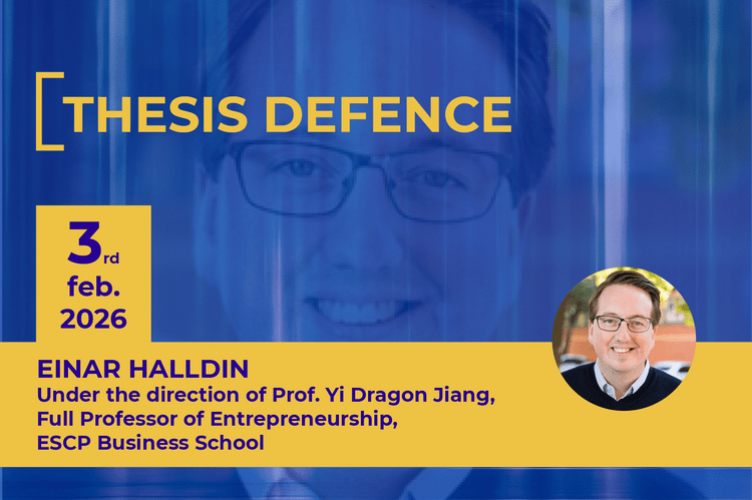
Entrepreneurship: a multi-level perspective
This thesis presents three empirical studies that address critical gaps in the entrepreneurship literature by examining common challenges nascent firms face and exploring effective solutions that are inadequately addressed in existing studies. Given the high failure rate of startups, this research provides unique insight into the impact of soft resources, the influence of entrepreneurs’ psychological and intellectual characteristics, and the role of effective strategic decision-making under uncertainty. The inherent resource limitations that startups face necessitate a creative, novel approach to decision-making and to securing diverse resources to survive.
The first study examines angel investors’ and accelerators’ perceptions of the role of non-financial (soft) resources in startup survival.
The second paper explores how entrepreneurs’ intellectual and psychological characteristics impact venture capitalists’ investment decision-making, which plays an influential role in a startup’s survivability.
Finally, the third paper examines social entrepreneurial decision-making under persistent uncertainty, which permeates the competitive landscape.
Thesis director
Prof. Yi Dragon Jiang, Full Professor of Entrepreneurship, ESCP Business School
Referees & Suffragants:
- Prof. Robert Sheldon, Associate Professor of Entrepreneurship and Associate Dean of the Bachelor in Management, ESCP Business School
- Prof. Dirk Schneckenberg, Full Professor of Strategy and Innovation, Rennes School of Business
practical info
- Date: February 3, 2026
- Time: Time: 2PM CET
- Location: ESCP Alumna – ESCP Paris Montparnasse campus, Auditorium 1030
Location
Organiser: ESCP Business School
Paris - France
MapDate
Start date: 03/02/2026
Start time: 2:00 PM
End time: 3:00 PM
Executive Master in Digital Innovation and Entrepreneurial Leadership (EMDIEL)
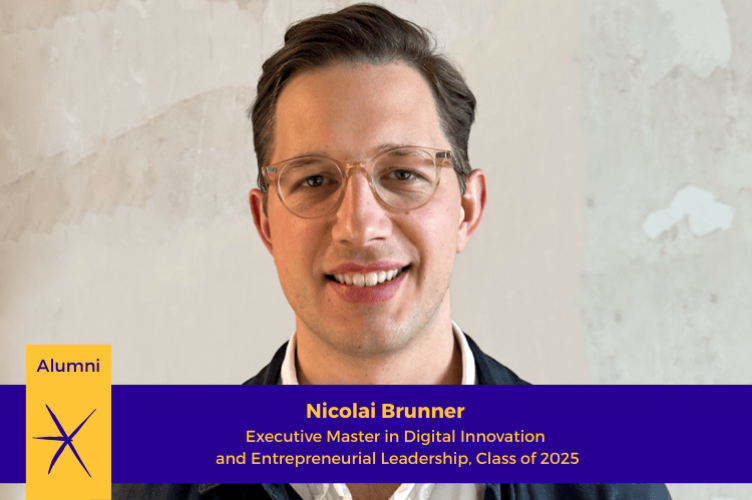
Meet the Alumni: Nicolai Brunner, Class of 2025
 Motivated to expand his strategic and entrepreneurial capabilities while advancing in a fast-paced product career, Nicolai Brunner joined ESCP’s Executive Master in Digital Innovation and Entrepreneurial Leadership to strengthen how he leads and scales digital businesses. The programme gave him a structured space to rethink his approach, learn from international peers, and apply new frameworks directly to his work. Here, he reflects on what shaped his experience and the impact it continues to have on his professional path.
How did the programme structure support your learning while working?
The structure was designed for people who don’t want to hit pause on their careers. The modular format, intense but focused real experience sessions, and the clear separation between academic blocks and professional life meant I could apply new concepts almost immediately. Instead of theory roaming in isolation, everything I learned was tested in real business contexts. That tight loop between learning and execution was the real accelerator.
Can you share a project or assignment that significantly shaped your thinking?
One strategy module forced us to break apart an established industry and rebuild it from first principles. I chose a sector I already knew well, expecting an easy ride and was completely wrong. The assignment exposed blind spots in how I approached market dynamics and scalability. It pushed me from incremental thinking to genuinely transformational thinking. That shift stayed with me and changed how I operate as a product leader.
Did you form any lasting professional relationships through the programme?
Absolutely. The cohort wasn’t just diverse on paper it brought together people who had already built careers and were hungry for the next step. You end up testing ideas, debating late into the night, and supporting each other through real professional decisions. Those relationships didn’t end at graduation; they’ve become a genuine network of operators, and leaders I can call without hesitation.
What advice would you give someone starting the programme?
Don’t try to coast. The value isn’t in collecting credits, it’s in showing up with intent. Use the programme to challenge your own default ways of thinking. Bring real problems from your job into the classroom. Push your professors and your cohort. And most importantly, commit early to integrating what you learn into your day-to-day decisions. The people who grow the most aren’t the busiest or the smartest they’re the ones who treat the programme as a catalyst rather than a checkbox.
Campuses
BERLIN Event
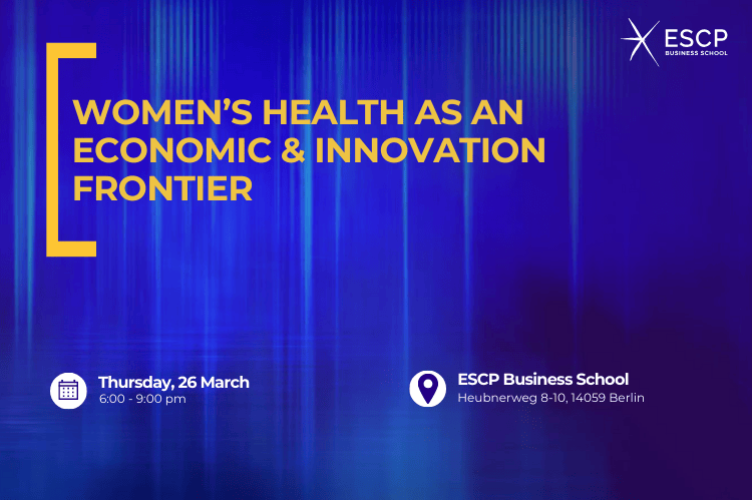
Women’s Health as an Economic and Innovation Frontier
Women’s health is one of the most underexplored yet fastest emerging opportunities in global healthcare and innovation. Representing 51% of the world’s population and a €1 trillion market, it is no longer just a medical topic but a strategic management, innovation, and governance priority.
This event brings together leaders from business, startups, investment, academia, and policy to explore how women’s health is shaping the future of healthcare systems, organizational performance, and impact driven innovation.
Why attend?
- Gain strategic insights into women’s health as a business and innovation frontier
- Learn how leadership, technology, and governance decisions drive impact and value
- Connect with a cross-sector ecosystem of decision-makers
- Be part of the first edition of a new ESCP event on women’s health and innovation
Hear from our speakers
- Claire Gräf, Founder, FemTech Germany – Keynote Speaker
- Prof. Dr. Véronique Tran, ESCP – Moderated Conversation
- Susanne Feldt, Co-Founder of Hermaid – Moderated Conversation
- Dr. Ehab AbdElHafez, Head of HR at GE HealthCare – Moderated Conversation
- Karlijn Eskens, ESCP Alumna – Panel Moderator
- Caterina Rumpf, Ada Health – Panel Discussion
- Marta Mrozowics, Heal Capital – Panel Discussion
- Larissa Merkl, Produce Supply Lead Women's Health at Bayer – Panel Discussion
- Cornelia Wanke, Women's Health Coach - Panel Discussion
- Anastasia Shevchenko, ESCP Community & Fundraising – Host
Agenda for the event
- 6:00 PM: Door Open
- 6:30 PM: Official Welcome
- 6:40 PM: Keynote: Why Women’s Health is a Management, Innovation & Governance Issue, Not Just a Medical One
- 7:00 PM: Moderated Conversation: The Business Case for Women’s Health
- 7:20 PM: Panel Discussion: Women’s Health at the Intersection of Management, Innovation & Governance
- 8:00 PM: Networking & Drinks
Partners & Collaborators



Location
Organiser: ESCP Business School
Berlin - Germany
MapDate
Start date: 26/03/2026
Start time: 6:00 PM
End time: 9:00 PM
Executive & Management Access
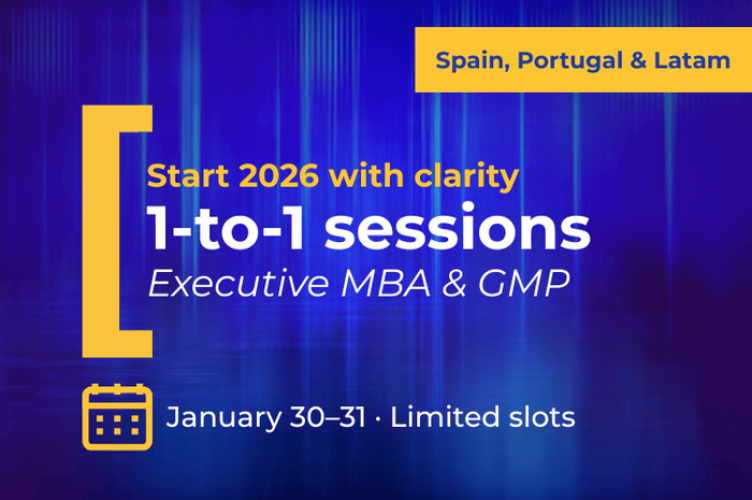
Online 1-to-1 Conversations
At the start of the year, many professionals reflect on their next career step and seek clarity before making a strategic decision.
On January 30 and 31, the ESCP Business School – Madrid Campus will host a limited number of online 1-to-1 conversations for professionals interested in the Executive MBA or the General Management Programme (GMP).
These personalised sessions are designed to offer guidance, perspective and clarity, with no obligation or commitment.
What to expect from the conversation
During your individual online session, you will have the opportunity to:
- Review your current professional situation and career objectives.
- Address your questions about the Executive MBA or the General Management Programme.
- Assess whether either programme aligns with your personal and professional stage.
- Understand how executive education can support your leadership development and career progression.
- Explore financing options and flexible payment plans, adapted to your profile.
Each conversation is led by an advisor from the Madrid Campus Executive Education team, who will personally guide you through your questions and help you determine the most suitable next step.
Why now
These sessions are particularly timely for professionals planning their 2026 development goals, with Early Bird tuition benefits available for the 2026–2027 intakes.
Please note: These online 1-to-1 conversations are organised by ESCP Business School – Madrid Campus and are primarily intended for professionals based in Spain, Portugal and Latin America. Participants based in other regions will be redirected to the appropriate ESCP campus to ensure personalised support.
Location
Organiser: ESCP Business School
Madrid - Spain
MapDate
Start date: 30/01/2026
Start time: 8:00 AM
End date: 31/01/2026
End time: 6:00 PM