
Episode 4
From the series “Standing together: ESCP community united against gender-based and sexual violence”
Sandrine Kiefer, Head of Internal Communications at ESCP, and Sabrina Saase, Health & Well-Being Manager at ESCP’s Berlin Campus, share how activism, education and artistic engagement converge within the School’s commitment to combating gender-based and sexual violence (SGBV).
Why ESCP Engages: A Shared Responsibility
Sandrine Kiefer:
What motivated you to organise the 16 Days of Activism against
Gender-Based Violence within ESCP? What were the main objectives of this initiative this year?
Sabrina Saase:
Two main reasons inspired me. First, many international ESCP
students and staff come to Europe in pursuit of equity and equality. Despite strong role models in business and
beyond, women continue to face heightened vulnerability in both physical and digital environments. In line with ESCP’s zero-tolerance policy on violence, it is unacceptable in the 21st century
that women and girls continue to face abuse, harassment, rape, mutilation, forced marriage, or even murder. These
issues frequently emerge in student counselling, whether due to personal or public cases, or from a desire to shape
future businesses that actively promote women’s safety. By joining this UN Women–initiated global campaign through a
range of events, we can raise awareness and stand together as one.
Sandrine Kiefer:
Why do you think it is important for ESCP to
actively engage in tackling sexual and gender-based violence? What key messages do you want to convey to students
and staff?
Sabrina Saase:
ESCP inspires future leaders, and diversity, equity, and
inclusion are fundamental values.
Achieving lasting change requires standing united. Sexual and gender-based violence is an issue for all genders
and concerns all ESCP students and staff at every level. Addressing it is a shared responsibility. Together, we must
ensure that ESCP remains a safe space for everyone and contribute to building a world worth living in.
ESCP Students as Catalysts for Change
Sandrine Kiefer:
What role did student societies play in the
success of the event?
Sabrina Saase:
Besides our cross-departmental organisation (Well-being, Career
Centre, Blue Factory, student societies), student societies launched an impressive range of workshops, concerts, and
events in collaboration with external experts to raise awareness of violence against women and invite peers to take
collective action.
In recognition of these cross-programme and cross-society efforts, the AGORA ESCP Student Union—representing all
ESCP students—received the ESCP Empowerment Award. The workshops addressed a wide range of themes, including Women
Breaking the Glass Ceiling, exploring leadership in financial services with experts from PowHER, Deutsche Börse /
Eurex, and Female x Finance; Why and How to React to Harassment!, a playful session on creating safer environments
led by the Moonlight App founder; yoga and self-defense classes to build confidence and security; Our Vision, Our
Voice, reflecting on the past, present, and future of ending gender-based violence through discussion and vision
boards; a book panel and bookmark-painting workshop; a roundtable on mentorship, empowerment, and leadership in the
luxury industry; and multiple fundraising events.
I am deeply proud of these initiatives led by Girl Up, Wealth Partners Society, Oikos, ESCP Book Club (Art Society), ESCP Bachelor Society (EBS), Luxury Society, and the ESCP
Music Collective.
Sandrine Kiefer:
How did you choose the different event
formats (exhibition, talks, workshops, concert, etc.)? In what ways can art and culture be effective tools in
addressing sexual and gender-based violence?
Sabrina Saase:
Decisions on format evolved organically through close
collaboration with students, staff, and field experts. The diversity of formats attracted different target groups,
with art and culture in particular chosen as powerful participatory tools—both to help process and heal personal
experiences of fear or survival, and to visualise pain, well-being, dreams, and the unknown. In addition to concerts
and interactive art workshops, the programme featured two exhibitions: a travelling exhibition by the Mots et Maux
de femmes association and the student-led From Words to Action: A Solidarity Photo Exhibition. The initiative also
included an entrepreneurial talk by Janine Vanessa Heinrich (Founder of the On the Up&Up podcast and Co-Founder of
Zula Kids - empowerment through storytelling). Finally, Masterpiece for Good presented an art project at the Impact
Fair, exploring the intersection of climate change and gender equality together with ESCP students.
Sandrine Kiefer:
Why was it important to include solidarity
initiatives and fundraising activities as part of the programme?
Sabrina Saase:
Through fundraising campaigns, ESCP students leveraged their
privileged position to support NGOs focusing on women’s empowerment and entrepreneurship. Alongside drinks provided
by a company supporting women-focused NGOs in the Global South, student societies organised food sales, engaging
workshops, quizzes, and showcases to raise donations. Fundraising at events offers a fun, tangible way to drive
change, moving beyond awareness-raising and personal skill development toward direct impact.
Sabrina Saase:
I’ve heard about your “Chambre 39” initiative, an
immersive and solidarity-based initiative: what was it about? Why did you choose to develop this project?
How did this project inform and enrich your work within ESCP’s Brand & Communications team?
Sandrine Kiefer:
Art has a unique power: it can enter spaces where
institutional discourse, statistics and legal frameworks often fail to reach. In the fight against sexual
and gender-based violence (SGBV), this power is essential. Violence thrives on silence, invisibility and
isolation. Art, on the contrary, creates visibility, shared experience and collective emotion.
This conviction lies at the heart of Chambre 39, an immersive and multidisciplinary artistic project I
designed in November 2025, to raise awareness about gender-based violence while supporting concrete action.
I chose to showcase the exhibition in two hotel bedrooms (Greet Marseille Saint-Charles) because bedrooms
are usually spaces that evoke intimacy, refuge, and they were the perfect medium to deal with the concept of
vulnerability. The room becomes a narrative device, a symbolic place where personal stories intersect with
collective realities.
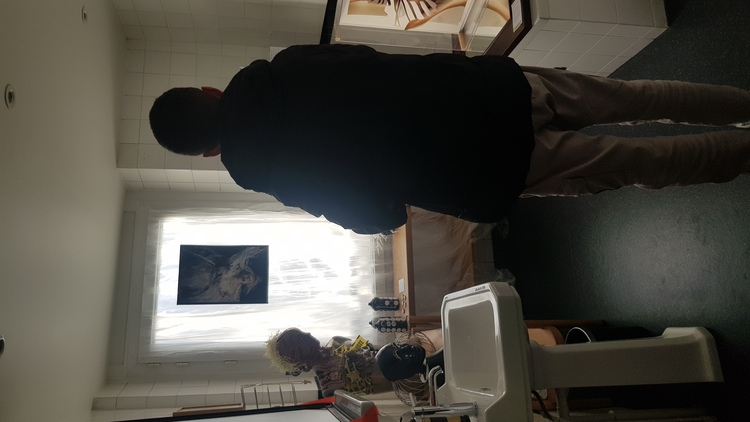
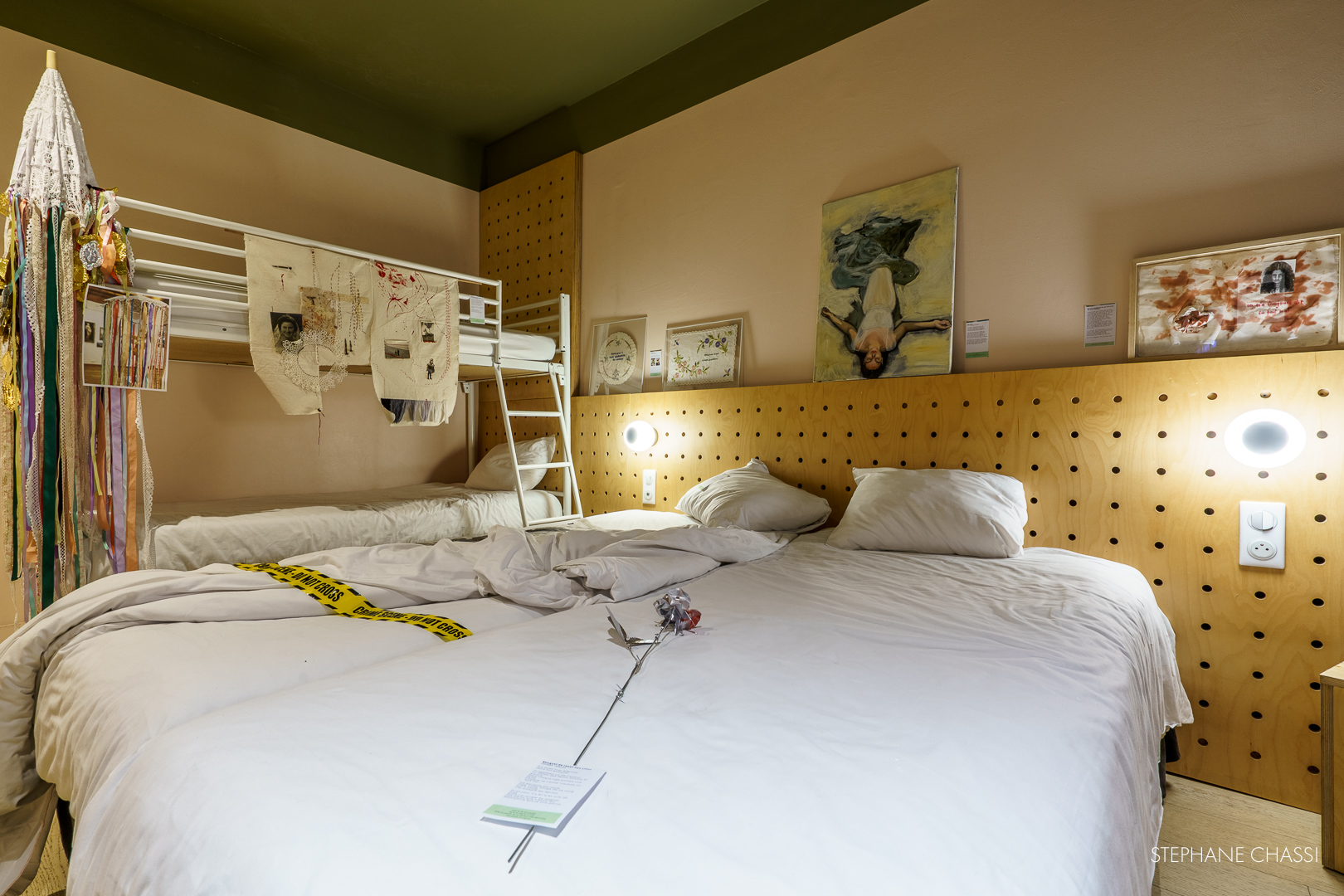
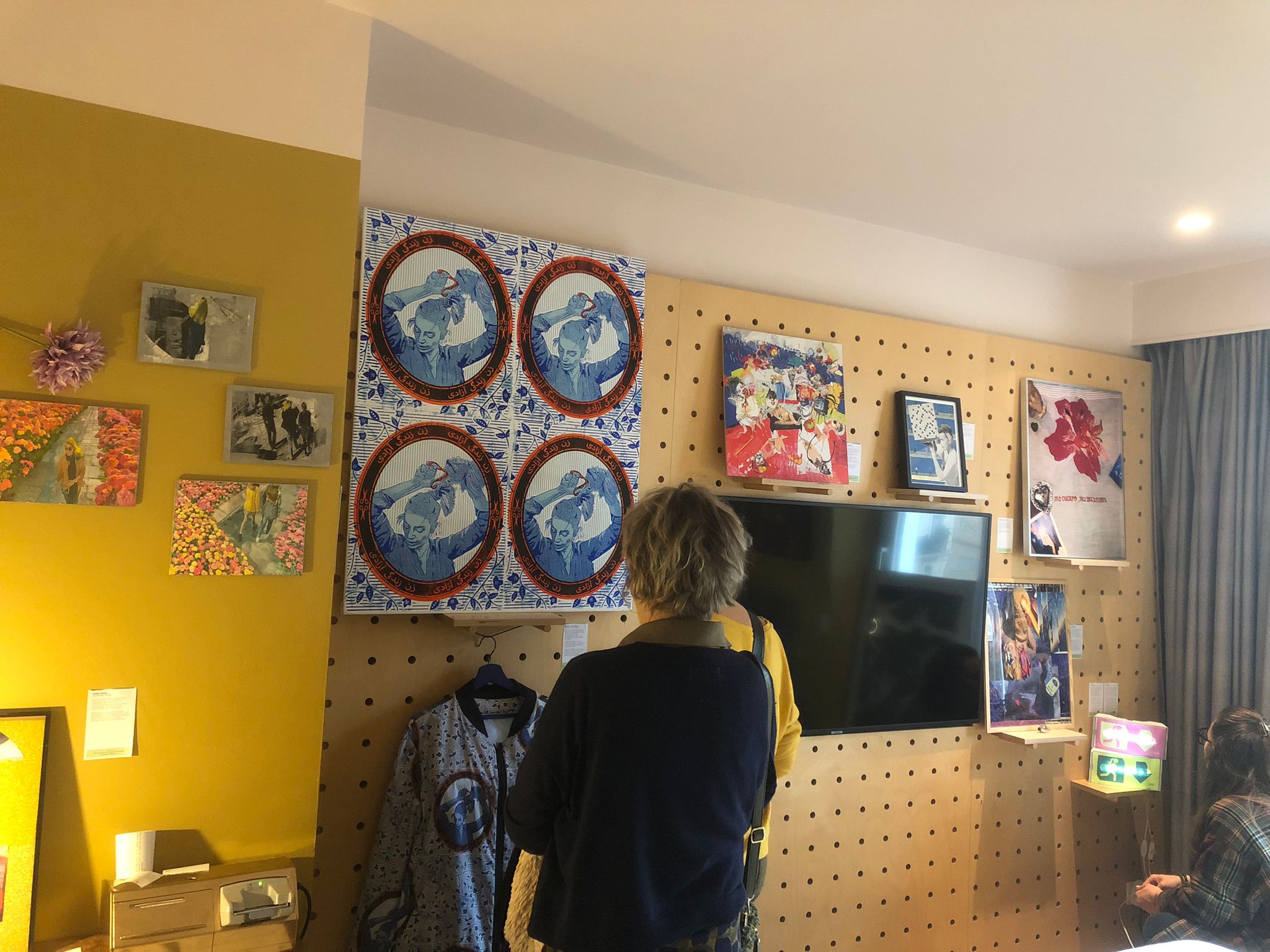
Through a 6-day exhibition, I brought together 84 art pieces by 39 artists (including me as a collagist), alongside performances, debates and participatory workshops. Photography, collage, installation, stained glass, paints, embroidery…gave form to feminicides, incest, coercive control, economic violence, LGBTQIA+ discrimination, and digital abuse. Some works were not originally created to address these issues, but I curated them for their resonance with the pedagogical purpose of the exhibition.
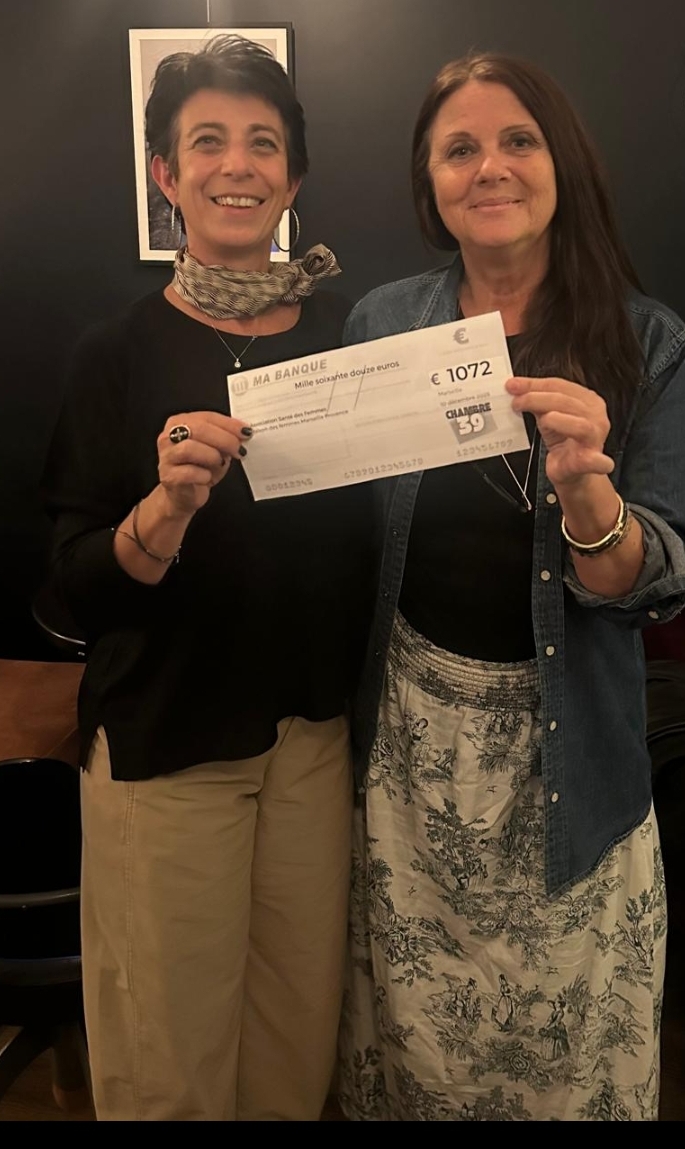
Indeed, art became a pedagogical and political tool, opening spaces for dialogue and understanding, while also generating tangible impact: part of the proceeds from artwork sales is donated to La Maison des femmes Marseille Provence, ensuring that awareness translates into support and solidarity. Over €1,100 has been collected.
This belief in art as a lever for social change naturally echoes my professional role within ESCP, where I work in the Brand & Communications team as Head of Internal Communications. At ESCP, values such as equality of opportunity, inclusion and social responsibility are not abstract principles; they are embedded in the school’s identity and expressed through concrete initiatives.
Education and culture are complementary forces in driving cultural and social transitions. While the institutional context of a business school differs from the more intimate and militant space of an artistic project, both rely on the same fundamentals—storytelling, experience design and the search for meaning.
Managing a complex, multidisciplinary project involving a team of 60 stakeholders (artists, performers, sponsors, partners and institutions) drew on over 30 years of project management experience, but also demanded a heightened level of ethical attention and emotional intelligence. It reinforced my belief that communication, especially on sensitive topics, must be rooted in authenticity, respect and narrative coherence.
Perhaps most importantly, the project opened the door to remarkable human encounters within the ESCP community itself, such as Ghada Hatem, who founded La Maison des Femmes in 2016, a holistic centre providing care and support to vulnerable women and survivors of violence. Or Marie-Pierre Gracedieu, co-founder & CEO of Le Bruit du Monde, who published “Mazan: an anthropology of a rape trial”.These encounters directly inspired the creation of Standing Together, a series of cross-interviews highlighting ESCP community members who are taking action against violence against women.
Art, education and communication have a responsibility to make the invisible visible, to foster dialogue, and to contribute to building more just, inclusive and conscious societies.
Campuses
Related stories
News 20/11/2025
Interview
#1 Violence Against Women: Acting Where Pain Falls Silent
A conversation between Ghada Hatem (ESCP 11), founder of La Maison des Femmes in Saint-Denis (2016), and Louise Blin (Bachelor 2025 alumna and MSc in International Business & Diplomacy student)
News 10/12/2025
Interview
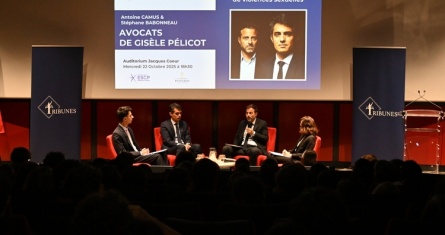
#2 How Tribunes, an ESCP student association, creates a space for students to learn, question, and commit to change
A conversation between Aurélie Dumond, Inclusion & Diversity Officer at ESCP and Ariane Bailet and Antonin Rousseau, ESCP students and members of the student society Tribunes.

News 22/01/2026
Interview
#3 The role of publishing in addressing gender-based and sexual violence
An interview where ESCP faculty member Isabelle Beyneix and alumna Marie-Pierre Gracedieu discuss publishing’s role in addressing gender-based violence, following the release of Mazan: An Anthropology of a Rape Trial—part of ESCP’s Standing Together series.
News 02/03/2026
Interview
#5 Transforming Public Policy into tangible results
Farid Medjoub (ESCP 20) asked Roxana Marcineanu (ESCP 05) to share her vision about gender-based and sexual violence
News 08/06/2026
Interview
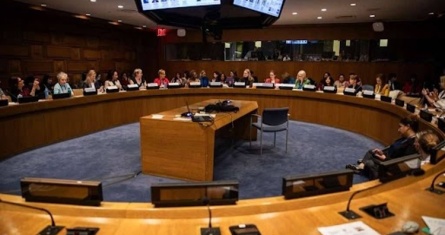
#6 At CSW70 (New York), ESCP Alumnae Championing Gender Equality
In New York last March, during the 70th session of the United Nations Commission on the Status of Women (CSW70), two alumni, joined the French Delegation led by Aurore Bergé, Minister for Equality between Women and Men and the Fight Against Discrimination