
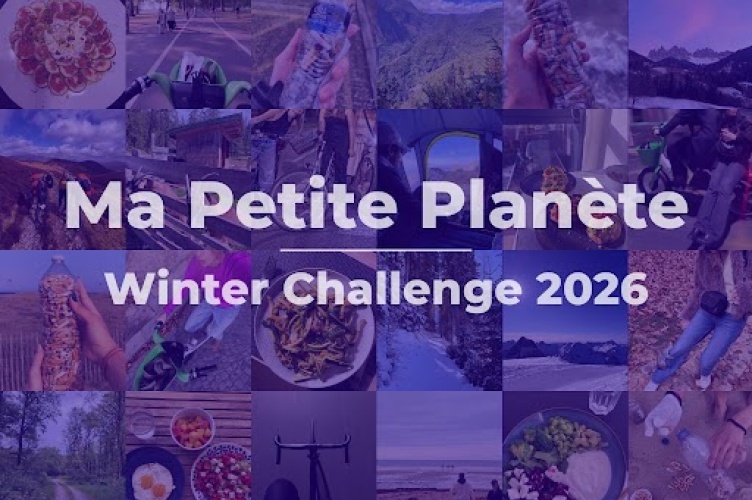
Three-week challenge turns sustainable choices into collective action
From 26 January to 16 February 2026, 1,166 members of the ESCP community, including students from ESCP’s Bachelor and MSc programmes, took part in the latest edition of the Ma Petite Planète (MPP) challenge. Organised across ESCP’s Berlin, London, Paris, and Turin campuses, this three-week initiative mobilised students around concrete environmental actions in their daily lives.
Measuring collective impact
Ma Petite Planète, co-founded by ESCP alumnus Clément Debosque, is a gamified, team-based environmental challenge. Through a mobile platform, participants complete practical sustainability challenges — such as reducing food waste, limiting energy consumption, choosing low-carbon transport or improving responsible consumption habits — and earn points for their league.
The Winter 2026 edition generated measurable environmental impact:
- 100,327 kg of CO₂ equivalent avoided
- 24,469,000 litres of water saved
- 839 kg of waste prevented
- 7,932 hours of environmental training equivalent completed
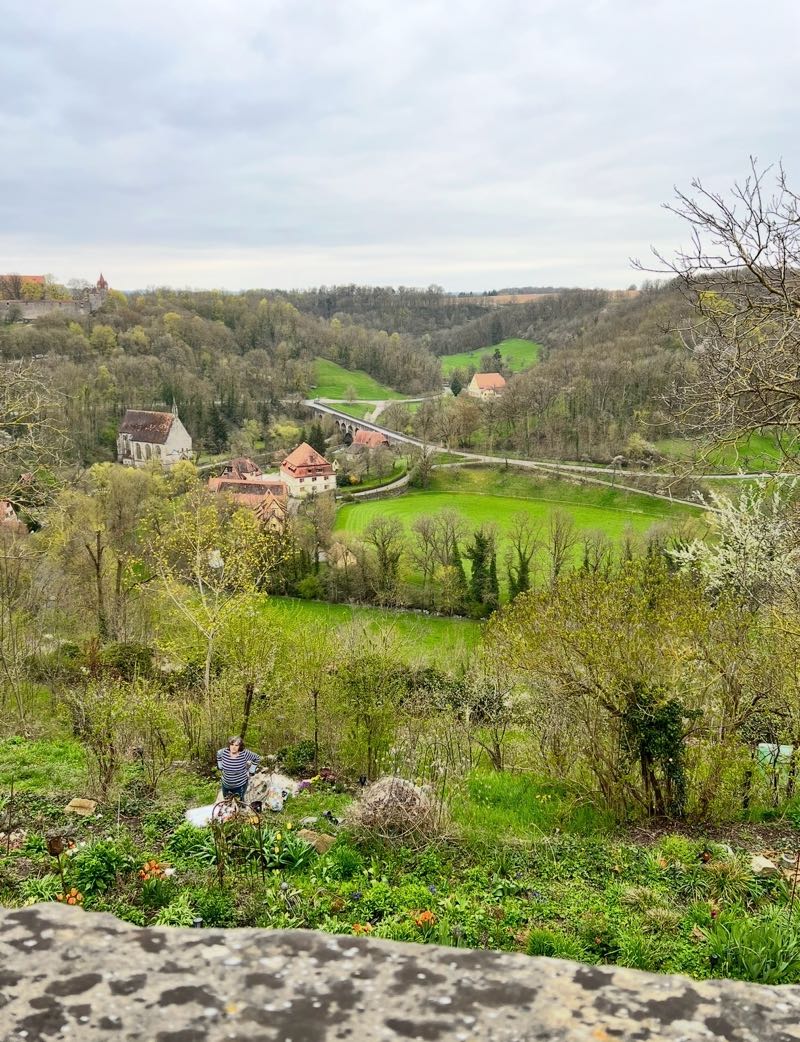
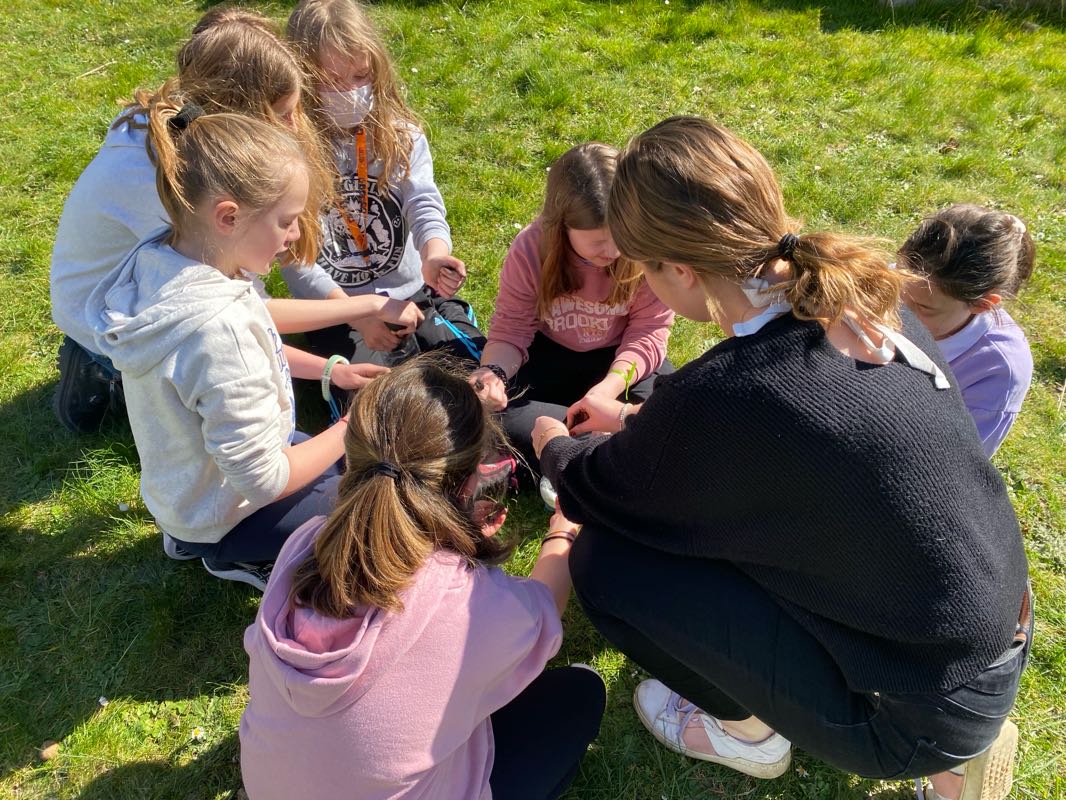
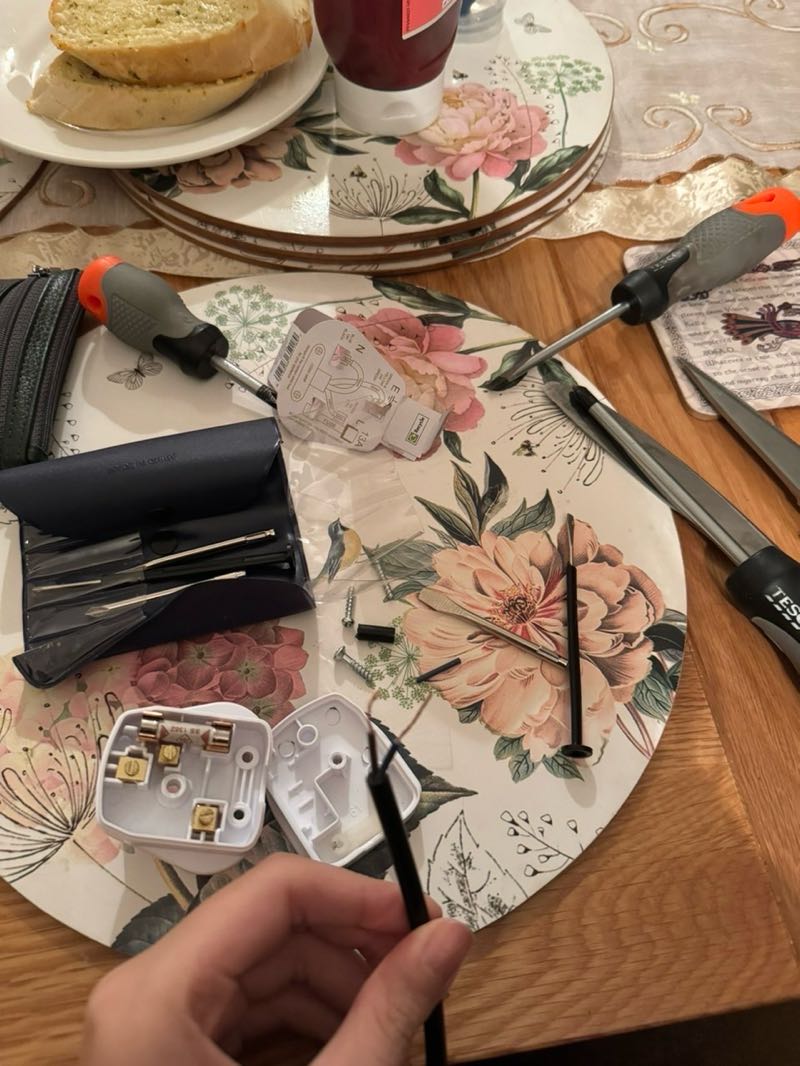
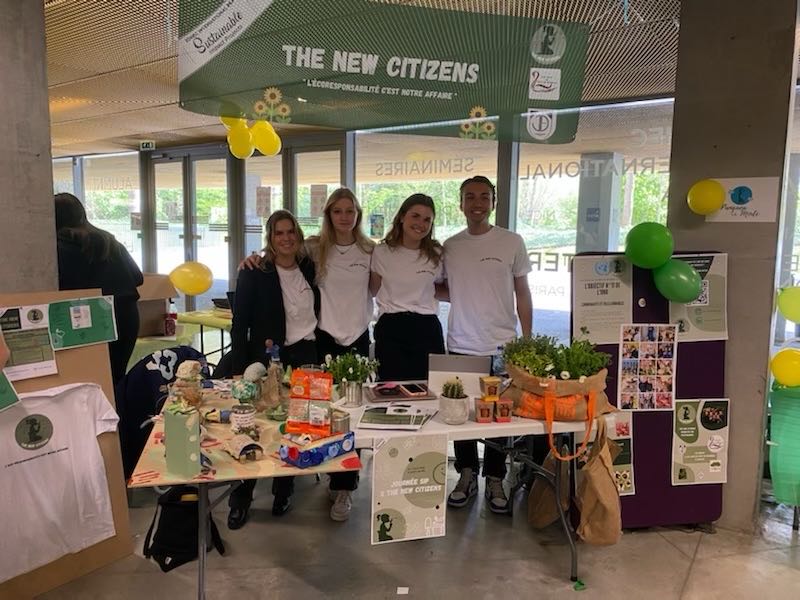
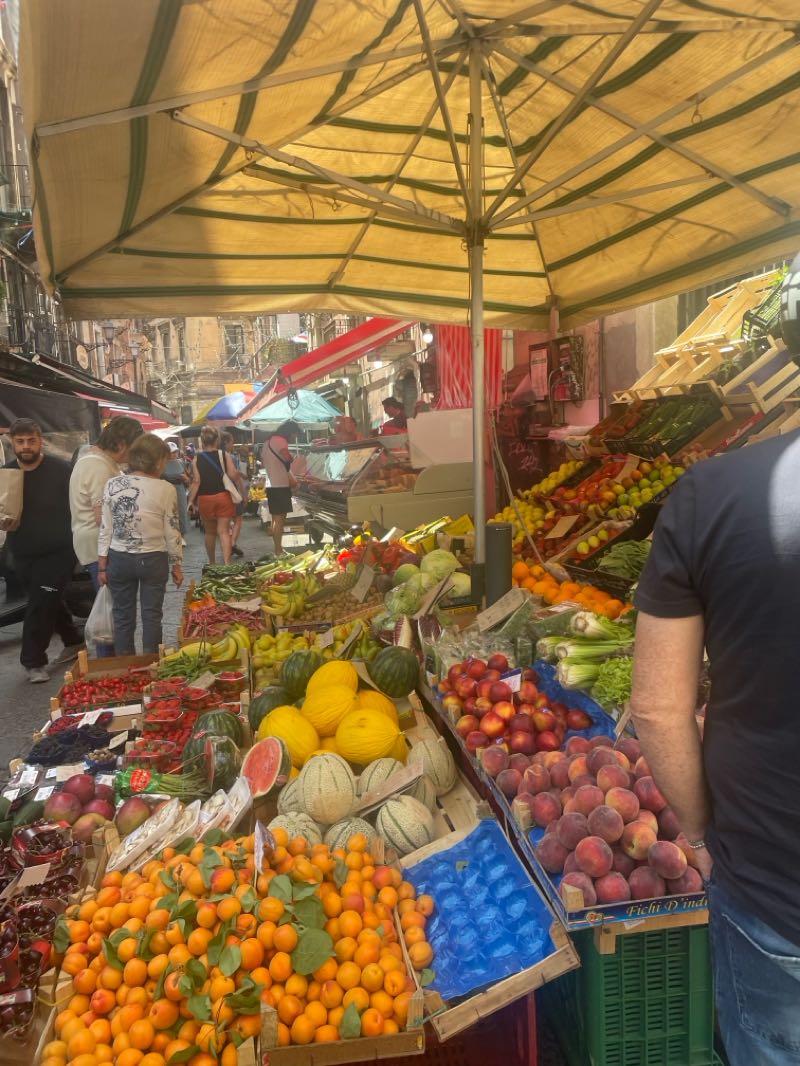
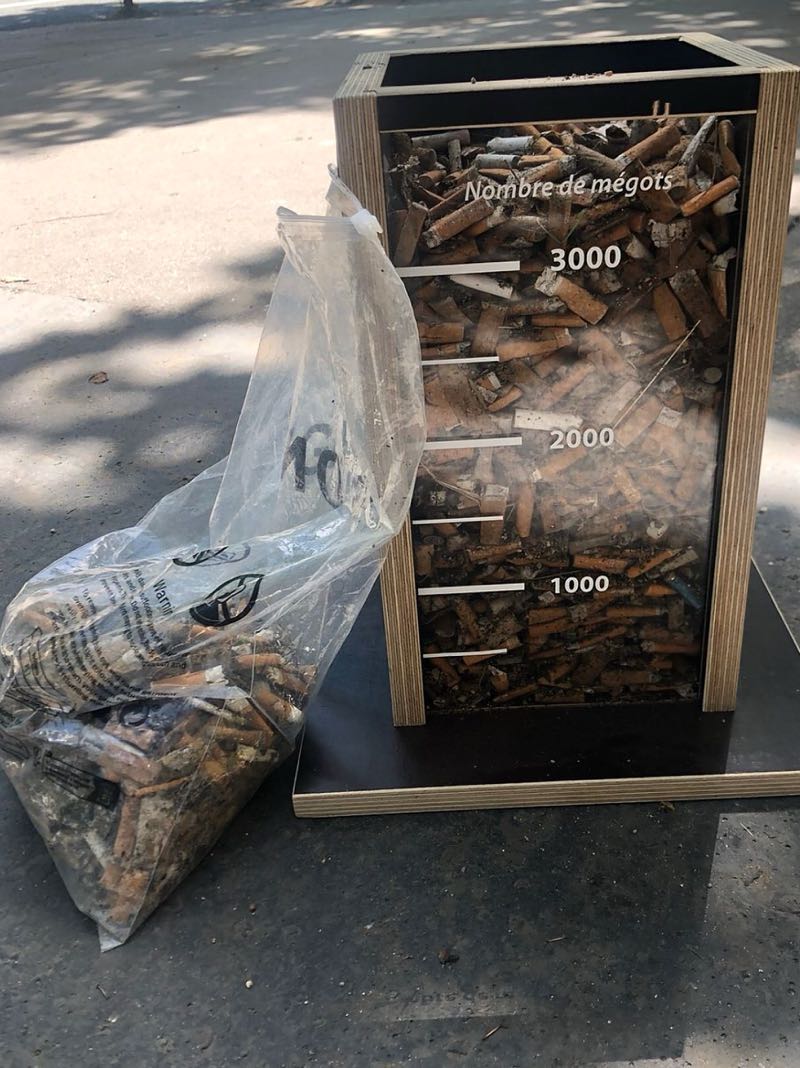
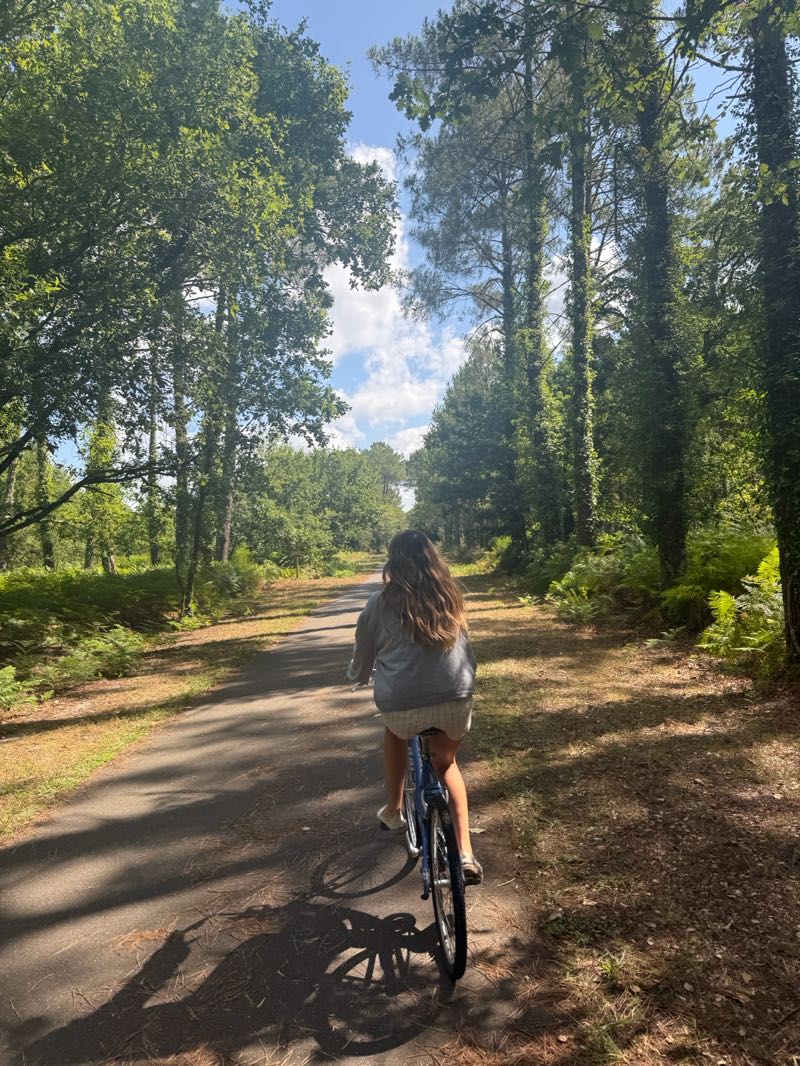
The Challenge in Photos


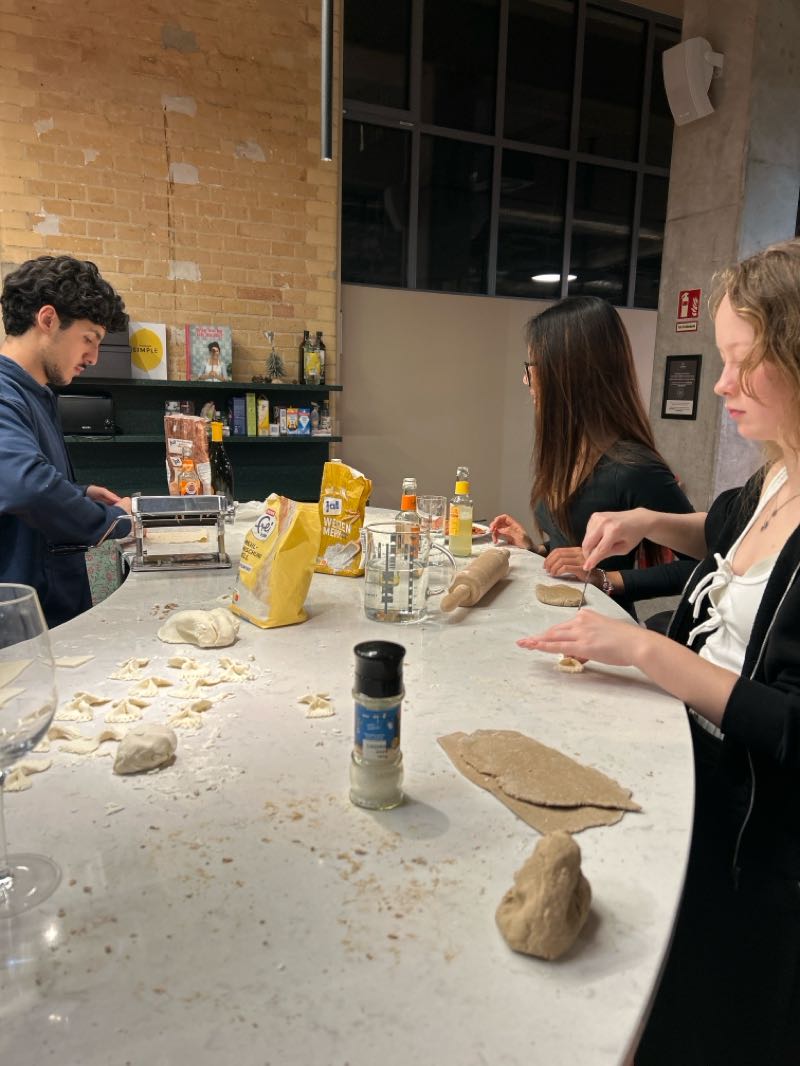
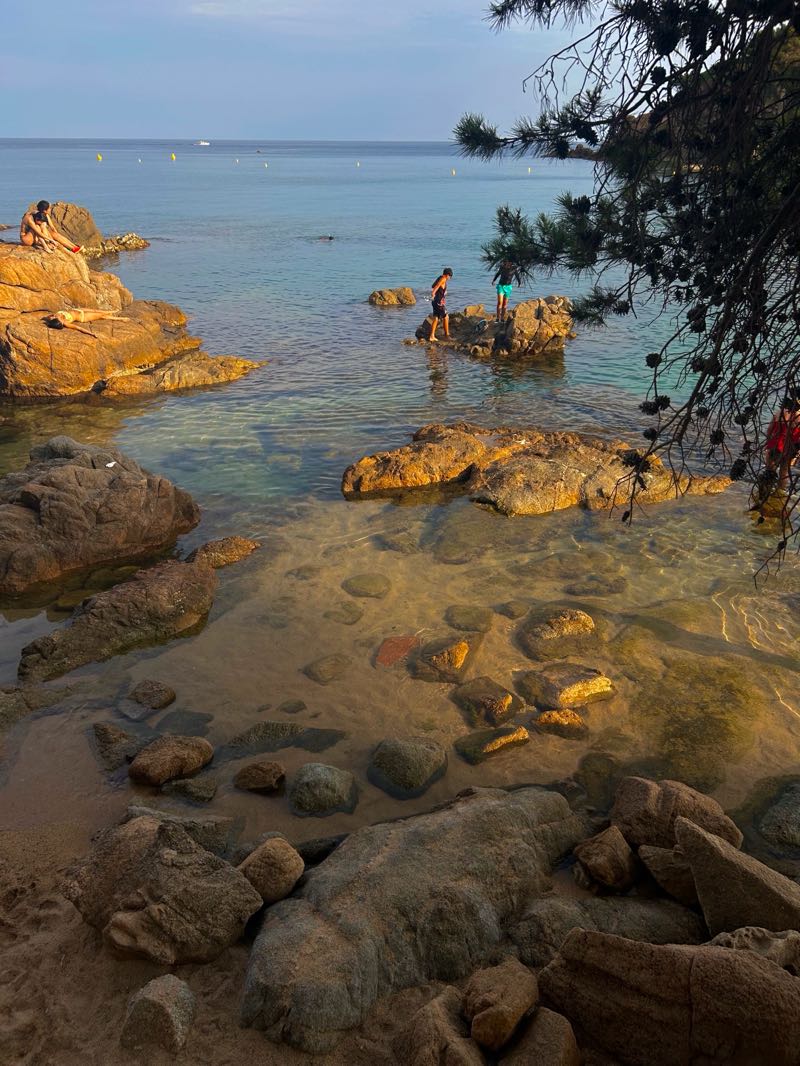



An expanding multi-campus initiative
This edition engaged students across ESCP’s European campuses. Initially launched at the ESCP Paris campus, the challenge has progressively expanded across European campuses, reflecting the School’s ambition to make the challenge a flagship initiative at the institutional level.
Turin stood out in the campus rankings, with Turin leagues achieving the highest average scores. The Turin Bachelor league ranked first overall, with 137 average points and 874 challenges completed. The competitive format encouraged teamwork, peer accountability and collective motivation, creating a strong dynamic within programmes and across campuses.
Sustainability beyond the classroom
The MPP initiative complements ESCP’s broader sustainability strategy. At ESCP, 100% of students receive sustainability training. Sustainability is embedded across programmes, and students are encouraged to understand environmental issues not only conceptually but through lived experience.
By translating environmental principles into measurable action, the challenge supports the development of competencies in impact measurement, behavioural change and responsible decision-making, key skills for future leaders navigating complex global challenges.
Once again, ESCP students have fully embraced the Ma Petite Planète challenge. This time again, they took on this collective initiative around responsible consumption and sustainability, transforming the major concepts discussed in class into concrete daily actions: food, mobility, energy, purchasing choices… The ecological transition begins with integrating sustainable practices into everyday life.
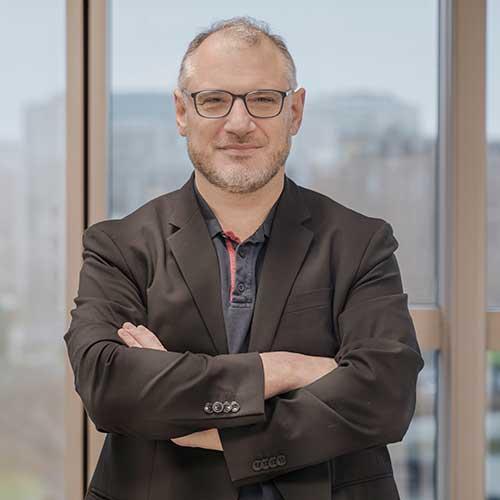 Julien Schmitt
Professor of Sustainability and Marketing at ESCP
Relevant links
Campuses
A significant step forward in the Bold & United strategic plan
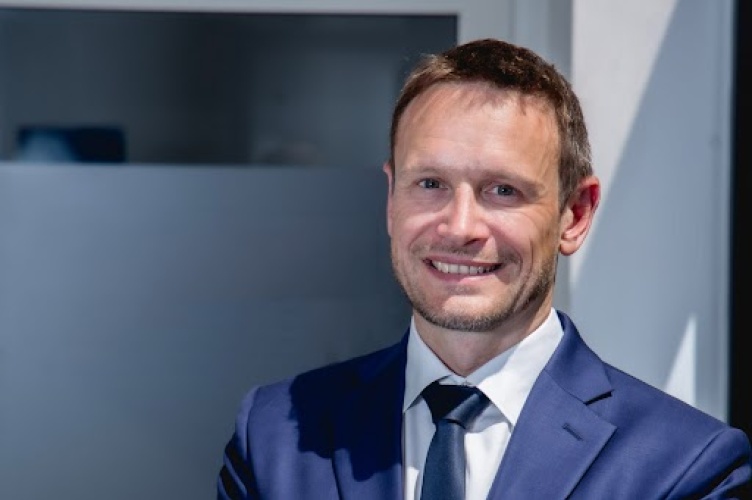
ESCP Business School has announced the appointment of Professor Cédric Denis-Rémis as Executive Vice-President of Executive Education and Corporate Relations, and Dean of the ESCP School of Technology, effective February 23. He will report to Léon Laulusa, Executive President and Dean of ESCP Business School, and will serve as a member of the Executive Committee.
A graduate of École des Mines de Paris, Cédric Denis-Rémis holds a PhD and a Habilitation to (Supervise) Direct Research (HDR). He has built his career at the intersection of technological innovation, entrepreneurship, and higher education. He previously served as Vice-President of PSL University, where he oversaw development, innovation, entrepreneurship, and Executive Education. Prior to that, as Deputy Director of Mines Paris–PSL, he founded and directed the Institute of Higher Education in Innovation and Entrepreneurship (IHEIE).
He has also led several international academic initiatives, particularly in China, where he served as European Executive Director of the China-EU Institute for Clean and Renewable Energy (ICARE), and later as Dean of the Shanghai JiaoTong–ParisTech Institute of Technology.
A recognised leader in deeptech and innovation
Deeply involved in disruptive technologies and defence topics, Denis-Rémis was head of the French Ministry of the Armed Forces’ Red Team Defence programme. In 2018, he created the Specialised Master’s degree in DeepTech Entrepreneurship and Innovation at Mines Paris–PSL and developed two investment funds between PSL and Elaia that have invested in more than 40 deeptech companies.
Author of approximately sixty publications, his research focuses on the intersection of risk management and innovation management. He is also co-founder of Zénon, a think tank dedicated to climate technologies, and serves as a member of the French Defence Procurement Council.
The convergence of management and technology has become essential. Throughout my career, I have worked at this interface, in close collaboration with academic and industry stakeholders. Joining ESCP today means contributing to a European academic project that places this convergence at the heart of its development.
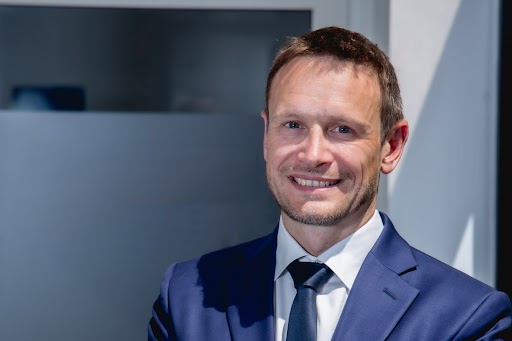 Cédric Denis-Rémis
Vice-President in charge of Executive Education and Corporate Relations and Dean of the ESCP School of Technology
Accelerating ESCP’s strategic transformation
By entrusting Denis-Rémis with Executive Education, Corporate Relations, and the launch of the School of Technology, ESCP accelerates its 2026–2030 strategic plan to transform its educational model and prepare future leaders with the hybrid skills required to address the major challenges of the 21st century.
The ESCP School of Technology will welcome its first cohort in September 2027. The school will train students at the intersection of technological expertise, strategic vision, and managerial responsibility.
The creation of the ESCP School of Technology in 2027 marks the first major milestone of the Bold & United strategic plan. This plan also includes the creation of the ESCP School of Governance in 2029, completing ESCP’s ambition to establish itself as the first European University of Management by 2030.
“In a context where technologies are profoundly transforming business models and skills, we need leaders capable of bridging innovation, academic excellence, and the corporate world,” says Professor Léon Laulusa, Dean and Executive President of ESCP Business School. “The appointment of Cédric Denis-Rémis fully aligns with this ambition and will contribute to the implementation of our Bold & United strategic plan.”
Campuses
ESCP Extension School Launches New Entrepreneurship Programme with Qui Veut Être Mon Associé ? Amplify
ESCP Extension School has announced the launch of its new Entrepreneurship programme, designed to support professionals who wish to structure and bring an entrepreneurial project to life.
This launch is part of a broader effort to make entrepreneurship more accessible, spearheaded by ESCP Extension School and Qui Veut Être Mon Associé ? Amplify, the leading platform dedicated to business creation, developed in association with broadcaster M6, production company Satisfy (Arthur Essebag) and Amplify's co-founder Michèle Benzeno (formerly of Webedia), as an extension of the popular French TV show on M6.
ESCP Extension School is an innovative and inclusive continuing education initiative designed to provide accessible certified training for professionals looking to upskill and accelerate their career transitions. The new programme represents the institution’s latest effort to bridge the gap between academic theory and real-world business practice to help working professionals and career changers develop entrepreneurial skills without leaving their day jobs.
Supporting entrepreneurial ambitions from idea to launch
The new Entrepreneurship programme, launched in France, guides participants through the complete entrepreneurial journey from idea to launch. Structured over six months and 150 hours, it combines:
- In-depth work on entrepreneurial mindset and vision
- A rigorous methodology to transform an idea into a viable project
- Practical tools to create, structure and manage a business
Participants work with ESCP faculty, coaches and industry professionals through a practical teaching approach combining academic input, case studies and collective support. Delivered mainly online, ensuring wide accessibility and compatibility with other activities, the programme is accessible without selection based on academic background and awards an ESCP Extension School certificate (recognised RNCP 7 in France).
“Many people want to start a business but do not always know where to begin,” explained Guidiche Makanda, Director of ESCP Extension School. “This programme transforms that desire into a structured project, and that project into reality through practical exercises that test entrepreneurial ideas against real-world challenges.”
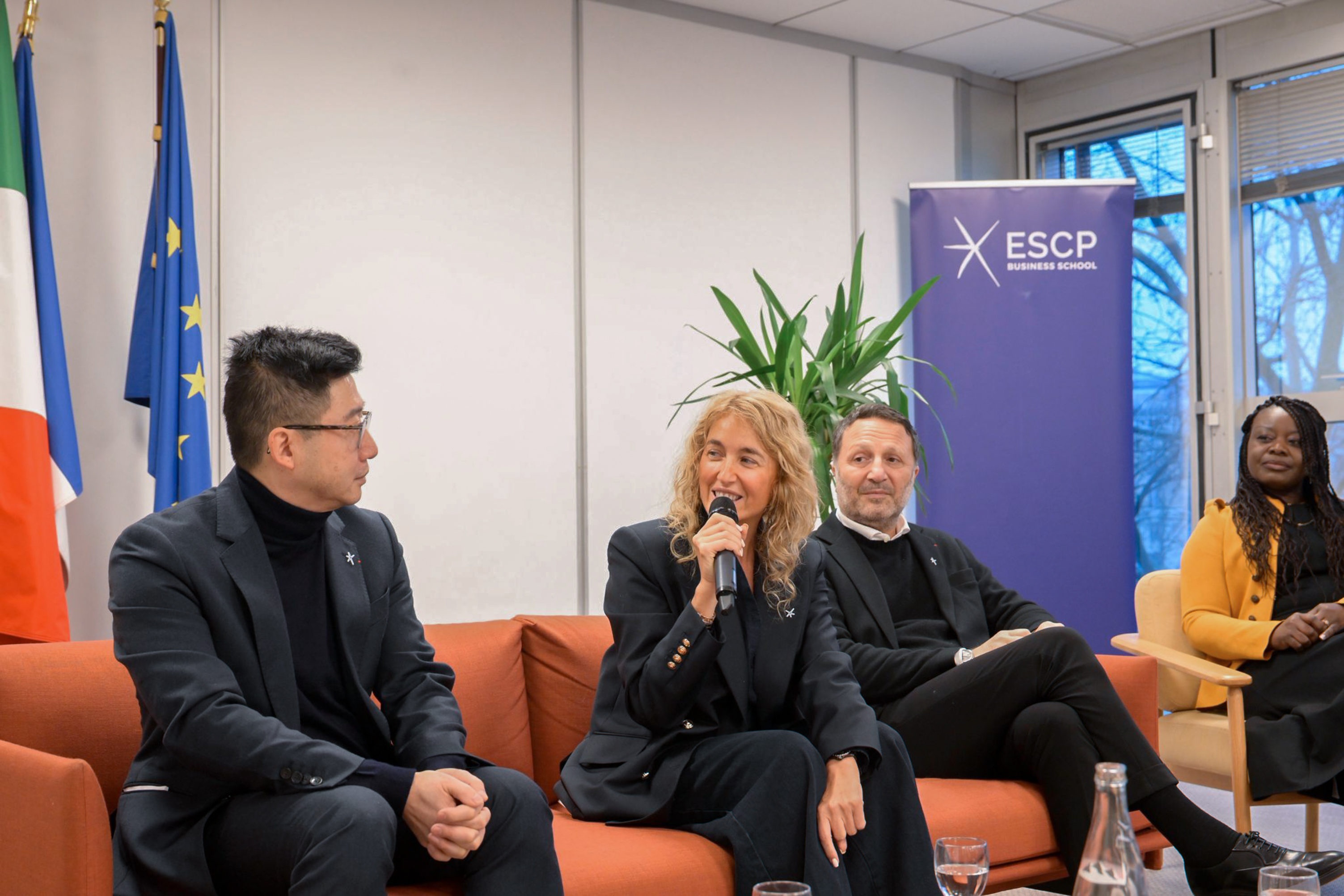
Participants receive individual and group coaching, mentoring and access to ESCP’s entrepreneurial community. The programme is also eligible for France’s CPF professional training accounts and can be funded through various employment and training agencies.
“It follows the logic of ESCP Extension School: going beyond theory to provide project leaders with concrete tools, enabling them to test their entrepreneurial project directly through the applied exercises of the certificate and confront it with real-world conditions,” adds Guidiche Makanda.
A partnership to democratise entrepreneurship
The launch of the Entrepreneurship programme is a part of a broader ecosystem and is supported by the School’s new partnership with Qui Veut Être Mon Associé ?, Amplify. Often described as the French equivalent of Shark Tank, Qui Veut Être Mon Associé ? features entrepreneurs pitching their ventures to a panel of investors. The show’s producers have created Amplify, a multi-channel platform designed to extend the programme’s educational mission beyond television.
As part of this partnership, members of the Qui Veut Être Mon Associé ? jury will intervene at key stages of the programme to share their experience, both successes and failures, and provide practical insights to participants. They will notably be present at the start of the programme to meet, engage with and encourage participants.
The collaboration aims to leverage the show’s popularity to reach audiences who might not traditionally consider formal business education. ESCP will promote the programme across Amplify’s platform and communication channels.
For ESCP, the partnership represents a bold experiment in making elite business education more accessible while maintaining academic rigour — a balance that could define the future of entrepreneurship training in an era in which starting a business is both more accessible and more complex than ever before.
ESCP Extension School: a new approach to continuing education
Since its launch in March 2025, ESCP Extension School has already trained several hundred professionals across key areas, including entrepreneurship, artificial intelligence and ecological transition. Inspired by the extension school models of Harvard and UCLA, the approach emphasises flexibility and practical application over rigid academic structures.
“With ESCP Extension School, we chose to offer continuing education that is deeply rooted in real-world challenges and designed to support professional and societal transformation,” said Prof Léon Laulusa, Dean of ESCP Business School. “ The launch of the Entrepreneurship programme fully embodies this ambition: to provide those who wish to start a business with practical tools that can be immediately applied.”
Relevant link
Campuses

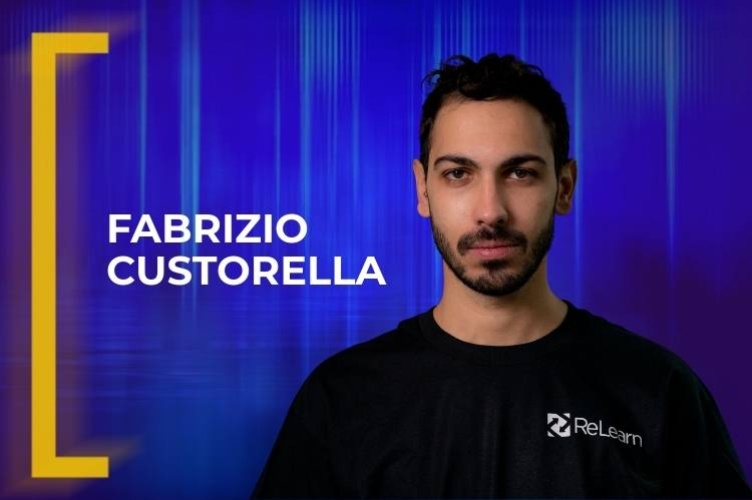
The ESCP alumnus co-founded the AI startup immediately after his MBA, scaling it globally and securing major investment
Entrepreneurship, innovation and measurable impact: Fabrizio Custorella, ESCP MBA alumnus and Co-Founder of NANDO, embodies the entrepreneurial spirit that defines ESCP Business School.
Shortly after completing his MBA, Fabrizio Custorella co-founded ReLearn (now NANDO), a Turin-rooted cleantech startup leveraging Artificial Intelligence to transform waste management.
In February 2026, the company reached a defining milestone, closing a €3.3 million funding round, accelerating its international expansion and technological development.
From ESCP MBA to Entrepreneurial Leadership
A cross-functional mindset shaped in Paris and London
With a background in Engineering from the Politecnico di Torino, Fabrizio began his career in Munich in innovation consulting. Yet he sought broader managerial capabilities, particularly in finance, growth strategy and international business.
His decision to pursue an MBA at ESCP Business School, studying across Paris and London, marked a turning point.
“My MBA at ESCP strengthened my ability to approach growth with structure and discipline. It reinforced the importance of aligning strategic vision with financial rigour, operational scalability and capital efficiency. At NANDO, this translates into data-driven decision-making, clear prioritisation of markets, and a strong focus on sustainable, profitable growth,” said Fabrizio.
Immediately after graduation, he co-founded the startup that would become NANDO — a concrete example of how ESCP supports entrepreneurial mindset.
In 2023, his entrepreneurial trajectory was recognised when he was named among Forbes Italy’s “100 Under 30”, highlighting his contribution to Italy’s innovation ecosystem.
Scaling NANDO: Data, AI and Sustainable Impact
From Italy to 15 countries in 20 months
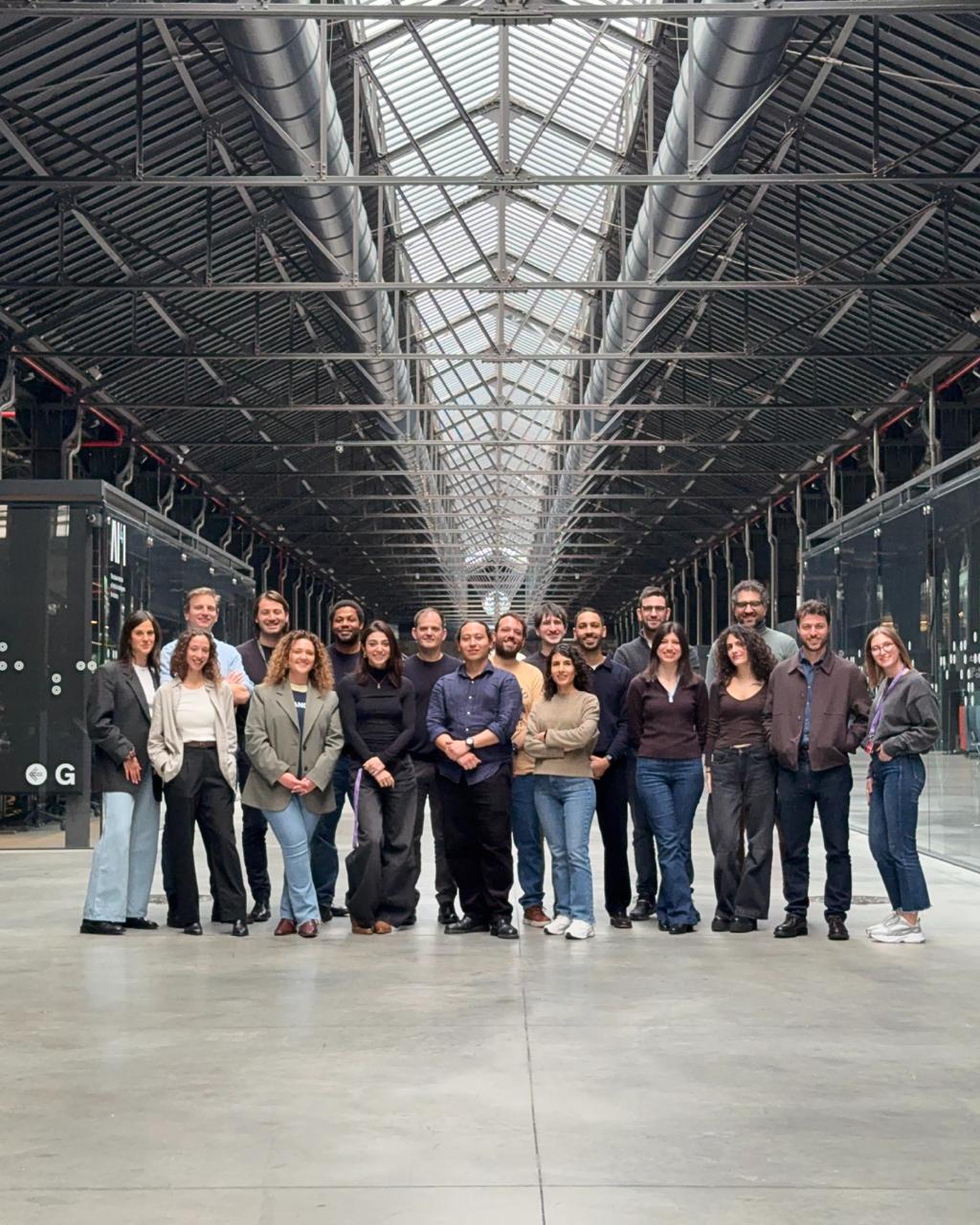
Founded in 2021 by Riccardo Leonardi, Fabrizio Custorella, Giovanni Lucifora, Federico Fedi and Simone Cavariani, NANDO has developed a proprietary platform integrating Artificial Intelligence, Machine Learning and Computer Vision to monitor waste in real time and transform operational data into strategic insights.
As Co-Founder, Growth Director and CFO, Fabrizio plays a central role in:
- Expanding operations from Italy to 15 countries across three regions in just 20 months
- Managing strategic partnerships with global real estate and facility management companies
- Steering brand growth, marketing strategy and international sales
- Overseeing capital budgeting, management accounting and financial efficiency
Today, NANDO processes over 40,000 waste images daily and supports more than 80 organisations worldwide, including major industrial groups, corporate offices, airports and urban waste operators.
Why waste measurement is now a strategic priority
Waste is no longer simply an operational matter, it is central to cost control, regulatory compliance and ESG performance.
“Waste measurement has become a strategic priority because it directly impacts cost control, regulatory compliance and ESG performance. Without reliable data, organisations cannot effectively manage or improve their environmental footprint.”
In a context of rising labour costs, increasing regulatory pressure and growing ESG scrutiny, the ability to measure waste accurately has become fundamental for both companies and municipalities.
“NANDO enables accurate, real-time waste recognition and analytics, transforming waste management into a measurable and optimisable process. This shift allows companies and cities to improve efficiency, transparency and sustainability outcomes,” said Fabrizio.
By digitalising traditionally manual and fragmented monitoring systems, NANDO positions data as the foundation for operational optimisation and environmental accountability.
A €3.3 million funding round to accelerate sustainable growth
The latest €3.3 million capital increase, led by MAIA Ventures and CDP Venture Capital SGR, will allow NANDO to further develop its AI technology, strengthen its presence in Europe and the UK, and accelerate expansion into the United States and Asia.
The investment will also support the development of new product lines dedicated to monitoring different types of waste, consolidating NANDO’s ambition to become a single point of access for waste data across the entire value chain.
From ESCP graduate to scaling a cleantech company across three continents, Fabrizio Custorella’s journey illustrates how ESCP alumni translate cross-functional education into entrepreneurial leadership and measurable global impact.
FAQ
Who is Fabrizio Custorella?
Fabrizio Custorella is an ESCP MBA alumnus (Class of 2022), Co-Founder, Growth Director and CFO of NANDO. In 2023, he was named among Forbes Italy’s 100 Under 30 for his contribution to innovation and sustainable entrepreneurship.
What is NANDO?
NANDO is an Italian AI-driven startup that monitors and optimises waste management across municipal, industrial and food service contexts. By combining Artificial Intelligence, Machine Learning and Computer Vision, it transforms waste data into actionable insights that improve operational efficiency, ESG performance and environmental impact.
WHow does ESCP support student and alumni entrepreneurship?
Entrepreneurship is at the heart of ESCP Business School’s DNA. Through Blue Factory, ESCP’s dedicated incubator and entrepreneurship hub, students and alumni receive mentoring, coaching, access to investors and a pan-European innovation ecosystem across its six campuses. Blue Factory supports early-stage ideation, venture acceleration and international scaling, helping founders transform ideas into viable businesses. This ecosystem fosters responsible, impact-driven entrepreneurship.
What distinguishes the ESCP MBA in today’s global business education landscape?
The MBA at ESCP Business School equips participants with cross-functional expertise in strategy, finance and global leadership, while allowing them to tailor their learning journey through four dedicated specialisation tracks: Consulting, Entrepreneurship, Luxury, and Fintech & Innovation.
The programme ranks 8th in Europe and 22nd worldwide in the Financial Times Global MBA Ranking 2026, positioning ESCP among the world’s leading business schools. It also stands out for its strong sustainability credentials, ranking 4th globally for ESG and Net Zero teaching, and is 1st worldwide for international course experience, reflecting its truly multi-campus structure and multicultural immersion.
Related stories
News 09/06/2023
Success Story
Revolutionising Clean Tech: An Inspiring Conversation with Fabrizio Custorella - ESCP Alumnus and Italian #ForbesUnder30
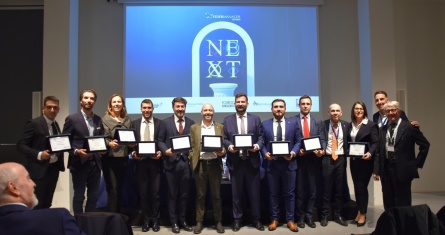
Forbes Italia recognised Fabrizio Custorella, co-founder and CFO of ReLearn, as one of Italy's Top 100 Under 30. ESCP MBA in International Management Alumnus Fabrizio Custorella cofounded an innovative startup at the forefront of revolutionising Italy's social impact scene.
Turin
News 15/01/2026
Success Story
Leading with Ethics: The 2025 Federmanager Award Honours ESCP Alumni
Two ESCP alumni, Luca Canonico and Ludovico Frati, have been honoured among Italy’s top 44 young managers by Federmanager, with Canonico named a Gold Manager.
Turin
News 16/05/2025
Success Story
ESCP Alumni Featured in Forbes Under 30 Italy: How FunniFin is Transforming Financial Wellbeing
Two ESCP alumni, Leonardo Capotosto and Lapo Nidiaci, were named in Forbes Italy’s Under 30 list for their fintech startup FunniFin. Discover how their journey from ESCP to Forbes is reshaping financial wellbeing.
Madrid
Paris
Turin
News 15/04/2024
Success Story
Revolutionising Social Impact: An Inspiring Conversation with Annamaria Barbaro - ESCP Alumna and Italian #ForbesUnder30
In the vibrant landscape of young innovators and entrepreneurs recognised by Forbes Italy in its prestigious "100 Under 30" list, the ESCP Business School community is filled with pride for our Alumna Annamaria Barbaro. Not only has she been included in this esteemed list, but she has also left a significant impact in the realm of social entrepreneurship.
London
Paris
Turin
Exploring shared responsibilities across organisations, research, and education
On 7 January 2026, ESCP Business School’s Paris Champerret campus hosted a major event organised by the Leadership and Inclusive Management Institute, addressing a central and often contested question: Who is responsible for diversity?
Bringing together researchers, institutional leaders and practitioners, the event explored diversity, equity and inclusion (DEI) as a collective, structural and ongoing responsibility, one that cannot be reduced to isolated initiatives, managerial tools or individual goodwill. Across keynote discussions, research presentations and panels, participants highlighted the political, legal, organisational and educational dimensions that shape how diversity is defined, governed and enacted.
Re-situating DEI in its political and historical contexts
The day opened with around twenty research presentations addressing themes such as queerness, disability, identity disclosure and invisible differences. A shared insight quickly emerged: diversity is not only about individuals, but about the institutional frameworks that determine which differences are recognised, tolerated or silenced.
This perspective was central to the keynote address by Laure Bereni, research professor in sociology at the French National Centre for Scientific Research (CNRS), who provided a conceptual framework for the discussions that followed. Drawing on comparisons between France and the United States, she demonstrated that DEI is not a universal model that can simply be transferred across contexts.
Legal categories, dominant interpretations of equality and historical social struggles profoundly shape diversity policies. As a result, concepts such as inclusion, representation or equity can carry very different meanings depending on where and how they are implemented. DEI initiatives, far from being purely technical, are therefore inherently political and contested.
As Laure Bereni emphasised:
DEI programmes fundamentally depend on the social, legal and political pressures exerted on companies.
research professor in sociology at the French National Centre
This insight challenged the idea of “best practices” as neutral solutions, highlighting instead the need for organisations to critically examine the contexts in which DEI policies emerge.
Organisational responsibility: investors, law and corporate action
The first panel examined how responsibility for diversity is distributed within and around organisations, involving far more than HR departments alone.
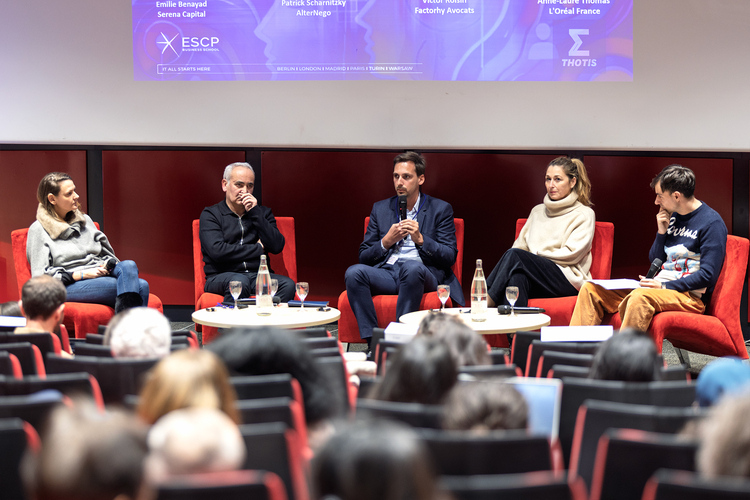
- Patrick Scharnitzky shared key findings from the Observatoire de l’Inclusion, highlighting persistent gaps between stated commitments and actual outcomes, and underlining the importance of robust data to move beyond symbolic action.
- Emilie Benayad illustrated how venture capital and investment funds can exert significant influence on DEI practices across tens of thousands of employees, positioning financial actors as increasingly central to diversity agendas.
- Anne-Laure Thomas outlined L’Oréal’s long-standing and multifaceted commitments to diversity, showing how DEI can be embedded across strategy, governance and operations.
- Victor Roisin mapped the expanding legal and jurisprudential framework surrounding DEI, emphasising that diversity is increasingly anchored in regulation and legal accountability, rather than voluntary action alone.
Together, these contributions highlighted how DEI is becoming embedded in governance, compliance and accountability mechanisms, shaped by investors, regulators and senior leadership. Particular attention was paid to persistent structural inequalities, notably gender imbalance and the underrepresentation of women in science, technology and leadership roles.
Education, representation and the role of schools
The second panel focused on the responsibility of higher education institutions in shaping inclusive leadership and enabling informed, open debate.
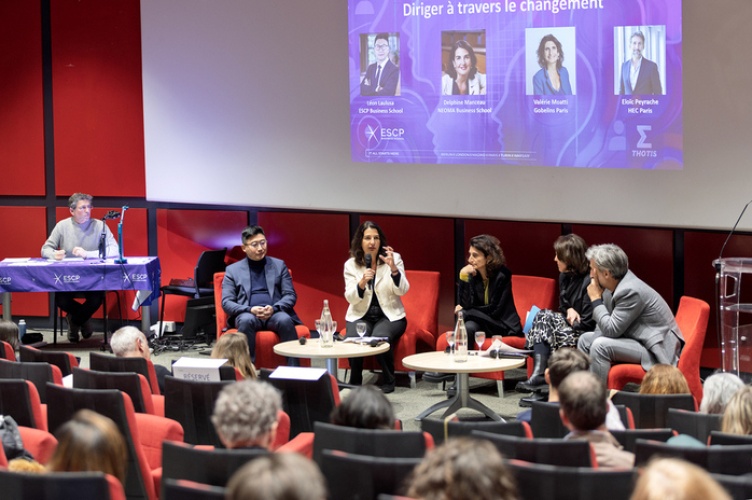
ESCP Dean Léon Laulusa, Delphine Manceau (NEOMA Business School), Valérie Moatti (Gobelins Paris) and Éloïc Peyrache (HEC Paris) reaffirmed their institutions’ commitments to diversity across student recruitment, curricula and research agendas.
Léon Laulusa articulated this vision clearly:
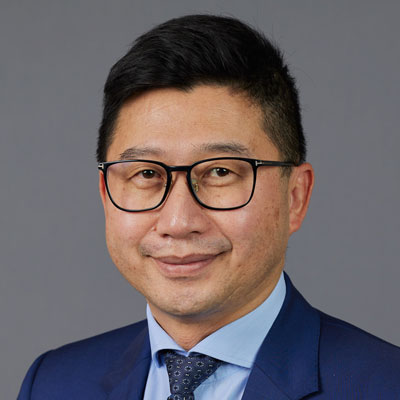
Not only do we teach diversity, but we offer diversity. At ESCP, we believe in Inclusion, Diversity, Excellence and Merit as fundamental and cardinal values.
 Léon Laulusa
Executive President and Dean at ESCP Business School
This statement challenged the persistent misconception that inclusion and excellence—or diversity and merit—are opposing goals, instead framing them as mutually reinforcing.
- Valérie Moatti shared insights into how students at Gobelins experience and perceive diversity, emphasising the importance of representation and lived experience in educational settings.
- Delphine Manceau, speaking as President of the Conférence des Grandes Écoles, highlighted a concerning trend: the continued decline in the proportion of women in engineering schools, underlining the fragility of progress on gender equality.
- Éloïc Peyrache stressed that schools must act as safe spaces where sensitive issues can be discussed openly and rigorously, contributing to depolarisation rather than reinforcing division.
The discussion underscored education’s role not in providing ready-made answers, but in equipping students with the intellectual tools needed to engage with complexity, disagreement and ethical responsibility.
Diversity as a collective and ongoing responsibility
Across keynote, panels and research presentations, one conclusion stood out clearly: diversity is a shared responsibility. It cannot be delegated to individuals, marginalised groups or diversity officers alone. Instead, it requires sustained engagement across organisations, education systems, research communities, legal frameworks and market actors.
DEI emerged not as a fixed destination, but as an ongoing process, one that involves questioning norms, confronting inequalities and accepting complexity. The day’s discussions were brought to life by the live illustrations of Gilles Rapaport, whose work captured both the tensions and aspirations at the heart of contemporary diversity debates.
Relevant Links
Campuses
Episode 4
From the series “Standing together: ESCP community united against gender-based and sexual violence”
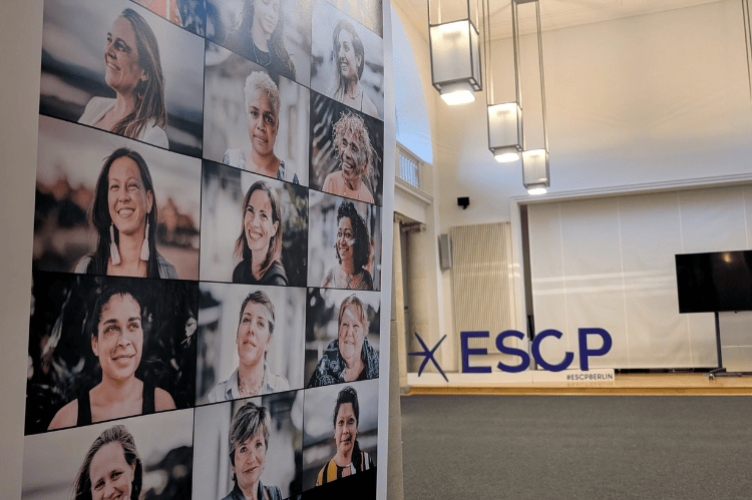
Sandrine Kiefer, Head of Internal Communications at ESCP, and Sabrina Saase, Health & Well-Being Manager at ESCP’s Berlin Campus, share how activism, education and artistic engagement converge within the School’s commitment to combating gender-based and sexual violence (SGBV).
Why ESCP Engages: A Shared Responsibility
Sandrine Kiefer:
What motivated you to organise the 16 Days of Activism against
Gender-Based Violence within ESCP? What were the main objectives of this initiative this year?
Sabrina Saase:
Two main reasons inspired me. First, many international ESCP
students and staff come to Europe in pursuit of equity and equality. Despite strong role models in business and
beyond, women continue to face heightened vulnerability in both physical and digital environments. In line with ESCP’s zero-tolerance policy on violence, it is unacceptable in the 21st century
that women and girls continue to face abuse, harassment, rape, mutilation, forced marriage, or even murder. These
issues frequently emerge in student counselling, whether due to personal or public cases, or from a desire to shape
future businesses that actively promote women’s safety. By joining this UN Women–initiated global campaign through a
range of events, we can raise awareness and stand together as one.
Sandrine Kiefer:
Why do you think it is important for ESCP to
actively engage in tackling sexual and gender-based violence? What key messages do you want to convey to students
and staff?
Sabrina Saase:
ESCP inspires future leaders, and diversity, equity, and
inclusion are fundamental values.
Achieving lasting change requires standing united. Sexual and gender-based violence is an issue for all genders
and concerns all ESCP students and staff at every level. Addressing it is a shared responsibility. Together, we must
ensure that ESCP remains a safe space for everyone and contribute to building a world worth living in.
ESCP Students as Catalysts for Change
Sandrine Kiefer:
What role did student societies play in the
success of the event?
Sabrina Saase:
Besides our cross-departmental organisation (Well-being, Career
Centre, Blue Factory, student societies), student societies launched an impressive range of workshops, concerts, and
events in collaboration with external experts to raise awareness of violence against women and invite peers to take
collective action.
In recognition of these cross-programme and cross-society efforts, the AGORA ESCP Student Union—representing all
ESCP students—received the ESCP Empowerment Award. The workshops addressed a wide range of themes, including Women
Breaking the Glass Ceiling, exploring leadership in financial services with experts from PowHER, Deutsche Börse /
Eurex, and Female x Finance; Why and How to React to Harassment!, a playful session on creating safer environments
led by the Moonlight App founder; yoga and self-defense classes to build confidence and security; Our Vision, Our
Voice, reflecting on the past, present, and future of ending gender-based violence through discussion and vision
boards; a book panel and bookmark-painting workshop; a roundtable on mentorship, empowerment, and leadership in the
luxury industry; and multiple fundraising events.
I am deeply proud of these initiatives led by Girl Up, Wealth Partners Society, Oikos, ESCP Book Club (Art Society), ESCP Bachelor Society (EBS), Luxury Society, and the ESCP
Music Collective.
Sandrine Kiefer:
How did you choose the different event
formats (exhibition, talks, workshops, concert, etc.)? In what ways can art and culture be effective tools in
addressing sexual and gender-based violence?
Sabrina Saase:
Decisions on format evolved organically through close
collaboration with students, staff, and field experts. The diversity of formats attracted different target groups,
with art and culture in particular chosen as powerful participatory tools—both to help process and heal personal
experiences of fear or survival, and to visualise pain, well-being, dreams, and the unknown. In addition to concerts
and interactive art workshops, the programme featured two exhibitions: a travelling exhibition by the Mots et Maux
de femmes association and the student-led From Words to Action: A Solidarity Photo Exhibition. The initiative also
included an entrepreneurial talk by Janine Vanessa Heinrich (Founder of the On the Up&Up podcast and Co-Founder of
Zula Kids - empowerment through storytelling). Finally, Masterpiece for Good presented an art project at the Impact
Fair, exploring the intersection of climate change and gender equality together with ESCP students.
Sandrine Kiefer:
Why was it important to include solidarity
initiatives and fundraising activities as part of the programme?
Sabrina Saase:
Through fundraising campaigns, ESCP students leveraged their
privileged position to support NGOs focusing on women’s empowerment and entrepreneurship. Alongside drinks provided
by a company supporting women-focused NGOs in the Global South, student societies organised food sales, engaging
workshops, quizzes, and showcases to raise donations. Fundraising at events offers a fun, tangible way to drive
change, moving beyond awareness-raising and personal skill development toward direct impact.
Sabrina Saase:
I’ve heard about your “Chambre 39” initiative, an
immersive and solidarity-based initiative: what was it about? Why did you choose to develop this project?
How did this project inform and enrich your work within ESCP’s Brand & Communications team?
Sandrine Kiefer:
Art has a unique power: it can enter spaces where
institutional discourse, statistics and legal frameworks often fail to reach. In the fight against sexual
and gender-based violence (SGBV), this power is essential. Violence thrives on silence, invisibility and
isolation. Art, on the contrary, creates visibility, shared experience and collective emotion.
This conviction lies at the heart of Chambre 39, an immersive and multidisciplinary artistic project I
designed in November 2025, to raise awareness about gender-based violence while supporting concrete action.
I chose to showcase the exhibition in two hotel bedrooms (Greet Marseille Saint-Charles) because bedrooms
are usually spaces that evoke intimacy, refuge, and they were the perfect medium to deal with the concept of
vulnerability. The room becomes a narrative device, a symbolic place where personal stories intersect with
collective realities.
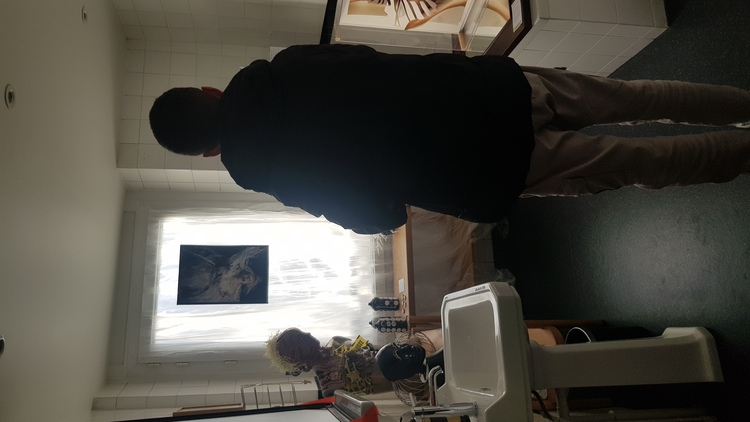

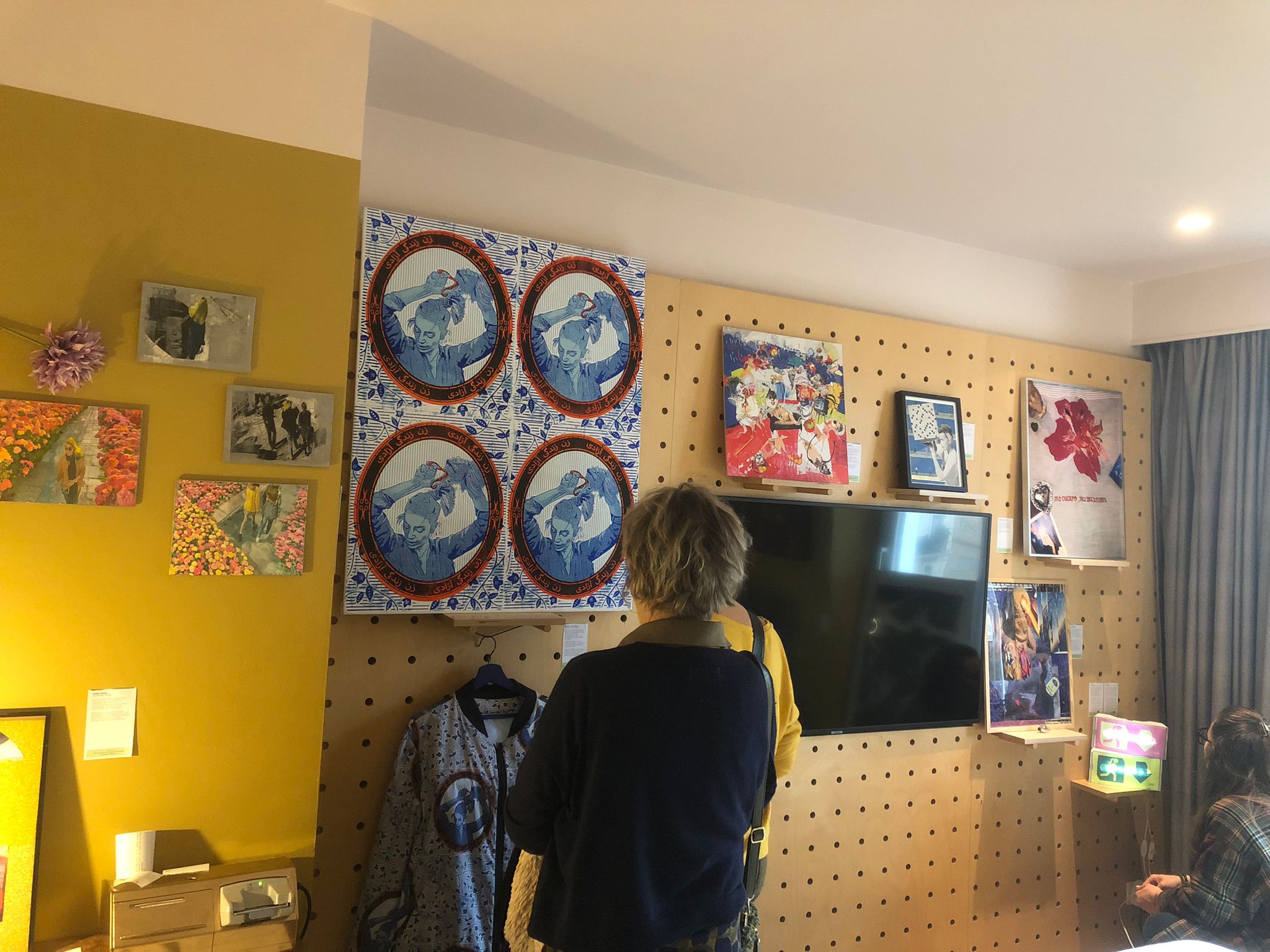
Through a 6-day exhibition, I brought together 84 art pieces by 39 artists (including me as a collagist), alongside performances, debates and participatory workshops. Photography, collage, installation, stained glass, paints, embroidery…gave form to feminicides, incest, coercive control, economic violence, LGBTQIA+ discrimination, and digital abuse. Some works were not originally created to address these issues, but I curated them for their resonance with the pedagogical purpose of the exhibition.
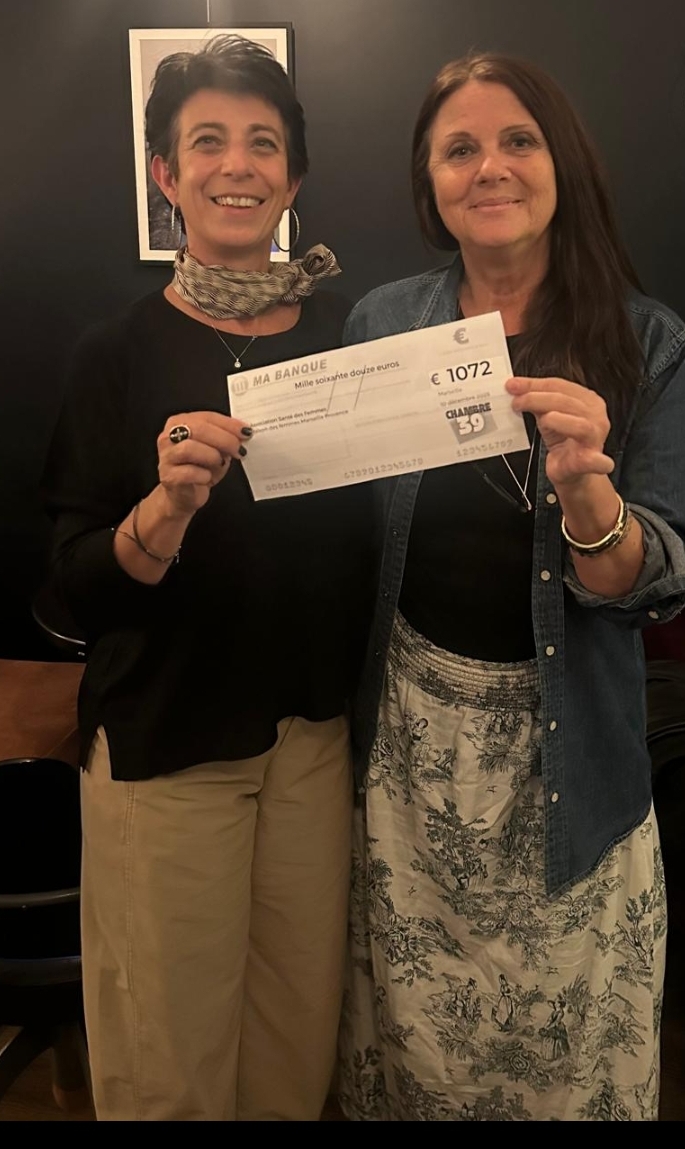
Indeed, art became a pedagogical and political tool, opening spaces for dialogue and understanding, while also generating tangible impact: part of the proceeds from artwork sales is donated to La Maison des femmes Marseille Provence, ensuring that awareness translates into support and solidarity. Over €1,100 has been collected.
This belief in art as a lever for social change naturally echoes my professional role within ESCP, where I work in the Brand & Communications team as Head of Internal Communications. At ESCP, values such as equality of opportunity, inclusion and social responsibility are not abstract principles; they are embedded in the school’s identity and expressed through concrete initiatives.
Education and culture are complementary forces in driving cultural and social transitions. While the institutional context of a business school differs from the more intimate and militant space of an artistic project, both rely on the same fundamentals—storytelling, experience design and the search for meaning.
Managing a complex, multidisciplinary project involving a team of 60 stakeholders (artists, performers, sponsors, partners and institutions) drew on over 30 years of project management experience, but also demanded a heightened level of ethical attention and emotional intelligence. It reinforced my belief that communication, especially on sensitive topics, must be rooted in authenticity, respect and narrative coherence.
Perhaps most importantly, the project opened the door to remarkable human encounters within the ESCP community itself, such as Ghada Hatem, who founded La Maison des Femmes in 2016, a holistic centre providing care and support to vulnerable women and survivors of violence. Or Marie-Pierre Gracedieu, co-founder & CEO of Le Bruit du Monde, who published “Mazan: an anthropology of a rape trial”.These encounters directly inspired the creation of Standing Together, a series of cross-interviews highlighting ESCP community members who are taking action against violence against women.
Art, education and communication have a responsibility to make the invisible visible, to foster dialogue, and to contribute to building more just, inclusive and conscious societies.
Campuses
Related stories

News 20/11/2025
Interview
#1 Violence Against Women: Acting Where Pain Falls Silent
A conversation between Ghada Hatem (ESCP 11), founder of La Maison des Femmes in Saint-Denis (2016), and Louise Blin (Bachelor 2025 alumna and MSc in International Business & Diplomacy student)
News 10/12/2025
Interview
#2 How Tribunes, an ESCP student association, creates a space for students to learn, question, and commit to change
A conversation between Aurélie Dumond, Inclusion & Diversity Officer at ESCP and Ariane Bailet and Antonin Rousseau, ESCP students and members of the student society Tribunes.

News 22/01/2026
Interview
#3 The role of publishing in addressing gender-based and sexual violence
An interview where ESCP faculty member Isabelle Beyneix and alumna Marie-Pierre Gracedieu discuss publishing’s role in addressing gender-based violence, following the release of Mazan: An Anthropology of a Rape Trial—part of ESCP’s Standing Together series.
Designing Europe 2026 Shaping EU Economic Autonomy and Competitiveness
10-11 March 2026
European Parliament, Brussels
In-person event
Overview
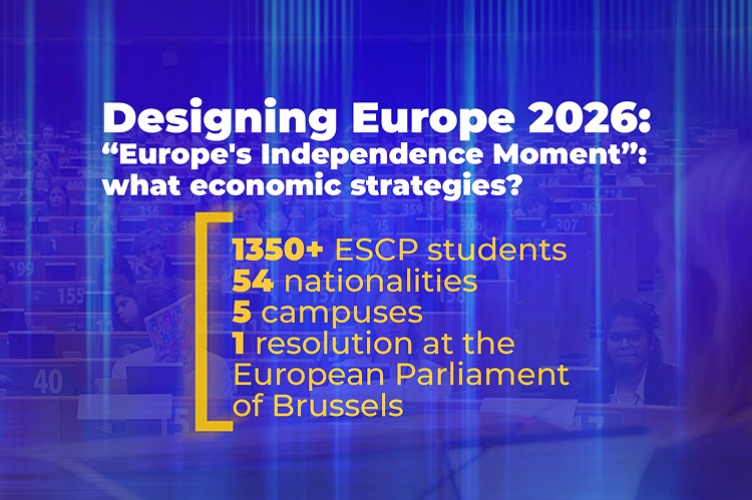
The Designing Europe 2026 seminar is an interactive pedagogical initiative designed to introduce approximately 1,350+ ESCP Master in Management students from five of the School's European campuses to the functioning of the European Union through a practical and immersive approach.
This year's edition, titled “Europe’s Independence Moment”: What Economic Strategies?, will focus on the strategic choices shaping Europe’s economic autonomy, competitiveness and resilience in a rapidly evolving global landscape.
In a context of political complexity, students will inevitably face and navigate EU decision-making as both engaged citizens and future corporate leaders. Understanding the high-stakes strategies currently debated by MEPs is crucial, as these policies will directly shape the economic and regulatory landscape of their professional lives. This immersion ensures they are uniquely prepared.
Designing Europe 2026 represents a cornerstone of the ESCP Master in Management curriculum, offering students a rare opportunity to experience EU policymaking from the inside and to reflect on Europe’s strategic economic future at a decisive moment in its history.
Programme
Day 1 – March 10, 2026
Location: European Parliament Rooms
Workshop Per Delegation
Rapporteurs’ Meeting
Networking & Lobbying Activities
Day 2 – March 11, 2026
Location: European Parliament Hemicycle
Plenary Session & Resolution Vote
- Opening speech by Léon Laulusa (Executive President & Dean, ESCP).
- Welcome address by ESCP Campus Deans.
- Introduction and chairing by Yves Bertoncini.
- Presentation of draft positions (Business, NGOs & Institutional actors).
- Presentation of draft resolutions (Political groups & Parliamentary committees).
- Debates and votes on amendments and draft resolutions.
- Final vote on the resolution.
- Closing address by Léon Laulusa.
Key Participants
- ESCP Leadership
- Léon Laulusa : Executive President & Dean, ESCP
- Yves Bertoncini : Affiliate prof at ESCP, pedagogic coordinator of the Designing Europe seminar
- European Institutions Representatives.
- Business and NGO Stakeholders.
- Master in Management Students & Delegates.
- ESCP Staff Members Accross Campuses.
- Coaches and Speakers
Step inside the EU’s legislative process and learn to shape policymaking first-hand.
Designing Europe 2025: A Behind‑the‑Scenes Look at the Brussels Simulation.
Relevant link
Location
Organiser: ESCP Business School
European Parliament, Brussels - Belgium
MapDate
Start date: 10/03/2026
Start time: 11:00 AM
End date: 11/03/2026
End time: 4:30 PM
ESCP’s MBA among the world’s best, with standout scores for international experience
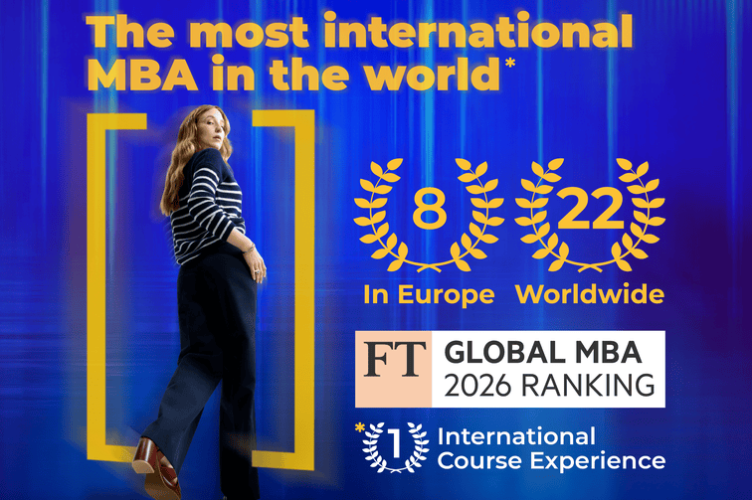
ESCP’s MBA ranked 8th in Europe and 22nd worldwide in the Financial Times annual ranking of the top 100 MBA programmes, placing it among the top business schools globally. The programme ranked 1st across Germany, Italy and Poland, 3rd in the United Kingdom and France, and 4th in Spain.
The most international MBA
ESCP’s MBA stands out for its international profile. The programme ranks 1st globally for international course experience, with a strong multicultural experience that prepares participants for global careers. Students gain hands-on experience through two company consultancy projects that take place in two different countries, and typically study on at least two ESCP campuses across Berlin, London, Madrid, Turin and Paris. This international focus is further enforced by the programme’s highly diverse student body.
This result confirms ESCP’s position as a truly global business school, rooted in Europe and recognised worldwide. Ranking 22nd globally in the Financial Times MBA ranking reflects our long-standing commitment to academic excellence, international collaboration and responsible leadership
Prof. Léon LaulusaExecutive President and Dean of ESCP Business School
A flexible model that prepares leaders for global complexity
Designed to help mid-level professionals seeking to accelerate or transform their careers, the ESCP MBA offers a flexible format tailored to students’ lifestyles and ambitions. Available on campus, online, or in a hybrid format, the programme can be completed in up to 22 months and offers a choice of four specialisations: Consulting, Entrepreneurship, Luxury, or Fintech & Innovation.
Our focus is on delivering rigorous, relevant education that enables professionals to succeed in a rapidly changing global environment. The FT results highlight the strength of the ESCP MBA experience, from the international classroom and flexible learning formats to the tangible career outcomes our graduates achieve
 Prof. Francesco Rattalino
Executive Vice President for Academic Affairs and Student Experience at ESCP Business School
Embedding sustainability and ESG at the heart of leadership
The ESCP MBA also performed strongly on sustainability criteria, ranking 4th globally for ESG and net zero teaching. ESCP embeds ESG principles across the core curriculum, with a strong focus on sustainability & entrepreneurship.
In the 2026 ranking, ESCP was ranked 5th globally for value for money, and 100% of MBA graduates were employed within three months of graduation, according to the FT.
The ESCP MBA is designed to prepare leaders who can operate confidently across borders and navigate complexity with a strong sense of responsibility. This recognition from the FT reflects the coherence of our approach, combining human-centred learning as a driver for critical thinking, international exposure and academic rigour
 Prof. Benoît Heilbrunn
Associate Dean of the MBA programme at ESCP Business School.
Related link
Discover the ESCP MBA
MBA
Campuses