
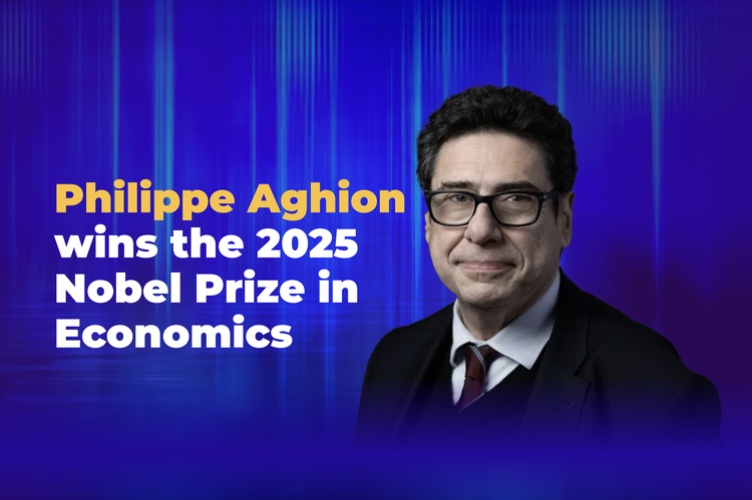
From research to real impact: How Philippe Aghion’s ideas shape the future of economics and education
The Royal Swedish Academy of Sciences has awarded the 2025 Nobel Prize in Economics to Philippe Aghion, Peter Howitt, and Joel Mokyr for their groundbreaking work on innovation-driven growth and creative destruction.
For ESCP Business School, this recognition resonates deeply: Aghion’s research has inspired generations of economists, including many at ESCP, to rethink how innovation, competition, and human capital drive long-term prosperity — values reflected in the School’s flagship Master in Management (MiM), which trains students to connect theory, policy, and real-world impact.
In an interview with ESCP Professors Cristina Peicuti and Jean-Marc Daniel, Philippe Aghion shared his early insights on artificial intelligence, growth, and the role of public policy, echoing the very questions at the heart of ESCP’s mission: understanding the economy to transform the world.
Key Takeaways
- Philippe Aghion, Peter Howitt, and Joel Mokyr receive the 2025 Nobel Prize for their contributions to the theory of innovation and creative destruction.
- Their work reshaped how economists understand endogenous growth, competition, and technological change.
- Aghion’s dialogue with ESCP Business School reinforces the school’s engagement with debates on AI, sustainable innovation, and inclusive capitalism.
ESCP and the BPCE Chair: A platform for economic dialogue
In 2024, ESCP Business School had the honour of welcoming Professor Philippe Aghion as part of the BPCE Chair “La banque mutualiste et coopérative au service de l’économie”. Invited by Professor Cristina Peicuti, and joined by Professor Jean-Marc Daniel, Aghion took part in an in-depth discussion on “Le pouvoir de la destruction créatrice et l’intelligence artificielle.” During this session, he revisited the Schumpeterian roots of creative destruction, explaining how innovation fuels sustained economic growth while redefining labour, competition, and policy. The exchange reflected ESCP’s commitment to fostering a constructive dialogue between academic research, policy, and practice, highlighting how institutions can channel innovation toward inclusive and sustainable prosperity.
Who won, for what research, and why it matters today
The philippe aghion nobel prize marks a major milestone in modern economic thought. Alongside Peter Howitt and Joel Mokyr, Aghion helped build a coherent theory explaining why economies that encourage innovation and competition grow faster and remain more resilient.
Their collective insights are not abstract models — they define how we navigate today’s global challenges, from AI-driven disruption to the green transition and the future of work.
The 2025 Laureates
Philippe Aghion: Creative destruction and growth policy
Philippe Aghion, Professor at the Collège de France, INSEAD, and the London School of Economics, is one of the world’s most influential economists. His research on creative destruction — the process by which new innovations replace old technologies — provides a framework to understand economic dynamism.
In his ESCP interview, Aghion emphasised that AI should not be feared as a job-destroying force, but seen as part of this same cycle of creation and renewal. When innovation is supported by smart policy, it becomes a driver of productivity and employment, not its enemy.
Peter Howitt: Formalising the Schumpeterian growth engine
Peter Howitt, Professor Emeritus at Brown University, co-developed with Aghion the formal model of Schumpeterian growth — a mathematical structure showing how innovation incentives, competition, and policy interact to sustain long-run growth.
Joel Mokyr: Why technology sustains long-run prosperity
Joel Mokyr, Professor at Northwestern University, brought historical depth to the theory by demonstrating how cultural attitudes toward knowledge and innovation fuel economic progress. His perspective connects technological revolutions, from the Industrial Age to the AI era, revealing how societies that value experimentation sustain prosperity.
Why they won: Innovation, competition, and creative destruction
From Schumpeter to Aghion Howitt: How new ideas replace the old
The laureates built on Joseph Schumpeter’s intuition that capitalism evolves through a constant cycle of innovation. Aghion and Howitt provided the endogenous growth theory that formalized it, showing that innovation incentives arise within the economy itself — not as external shocks.
Endogenous growth: Incentives, R&D and market structure
Their models explain why R&D, education, and fair competition are the key levers of sustainable growth. Aghion’s later work expanded this to include policy design, showing how governments can stimulate innovation while avoiding market concentration.
Policy levers: Competition, entry, and smart industrial strategy
Aghion insists that innovation requires both freedom and regulation: markets open enough for challengers to enter, but structured enough to prevent monopolies from stifling new ideas.
This vision aligns with ESCP’s own approach to economic education — combining entrepreneurial spirit with responsible governance.
Spotlight on Philippe Aghion
Core contributions: Modelling the “innovation rents entry” tension
At the core of Aghion’s theory lies a paradox: the very firms that innovate to gain market power may later resist new entrants. His model of “innovation rents versus entry” formalises this tension, explaining why competition policy must constantly adapt to preserve growth dynamism.
What this means for Europe: Productivity, openness, and regulation
For Europe, Aghion’s message is clear — sustained growth depends on fostering an ecosystem where new ideas can challenge established players.
This thinking directly informs ESCP’s research and its Chairs in Economics and Public Policy, where faculty and students explore how European competitiveness can be renewed through innovation, sustainability, and openness.
In his words: “Comprendre l’économie pour transformer le monde”
As Aghion expressed during his ESCP dialogue: “Understanding the economy is the first step to transforming it.”
This ethos resonates with ESCP’s mission to educate leaders who are both analytical and transformative, capable of bridging economics, technology, and societal progress.
Why It Matters Now
AI and the next productivity wave
Aghion’s optimism about AI challenges the prevailing fear of automation. He argues that AI enhances productivity, expands market opportunities, and ultimately creates new forms of employment. At ESCP, these insights guide ongoing research and teaching in digital transformation and management, notably through programmes such as the Artificial Intelligence for Business Certificate, preparing students and professionals to harness — not fear — technological disruption.
This perspective also connects with ESCP’s research insights featured in The Choice, such as “How artificial intelligence will transform decision-making”, which explores how technology is reshaping managerial reasoning and strategy.
Green innovation: Steering growth toward net-zero
Aghion also warns against short-term fiscal thinking that cuts green investment in the name of austerity. The environmental debt, he argues, is far costlier than public debt. ESCP’s Sustainability Transition and Green Innovation initiatives echo this philosophy, training leaders to design economic models that balance prosperity with planetary responsibility.
Avoiding stagnation: Keeping markets open to challengers
Maintaining openness to new entrants — startups, researchers, and diverse ideas — remains vital to prevent secular stagnation. ESCP’s ecosystem of entrepreneurship labs and innovation hubs embodies this approach, turning theory into practice by encouraging students and partners to challenge the status quo.
Prize Committee & Global Reactions
What the Academy highlighted in 2025
The Royal Swedish Academy of Sciences praised Aghion, Howitt, and Mokyr for “deepening our understanding of how innovation, knowledge, and institutions shape economic growth.” The Sveriges Riksbank Prize in Economic Sciences in Memory of Alfred Nobel thus celebrates not only technical models but a humanistic vision of progress.
How economists and policymakers are responding
From the OECD to the European Commission, policymakers see Aghion’s framework as a roadmap for reconciling innovation with inclusion — a balance ESCP actively promotes through its research chairs and policy dialogues across its campuses in Paris, Berlin, London, Madrid, Turin, and Warsaw.
ESCP Business School Perspective
Recent ESCP interview with Philippe Aghion
In his conversation with ESCP Professors Cristina Peicuti and Jean-Marc Daniel, Aghion addressed three fundamental questions:
- What does “creative destruction” mean in today’s economy?
- How is AI transforming innovation dynamics?
- What is the role of governments and institutions in shaping fair competition?
His reflections mirror ESCP’s own academic agenda: connecting economic theory to societal transformation. Through its Economics Department, Chairs, and centres of expertise, ESCP contributes to advancing a European model of capitalism rooted in innovation, inclusion, and sustainability.
Backgrounder: The Economics Prize in context
What is the Nobel Prize in economic sciences?
Established in 1969 as the Sveriges Riksbank Prize in Economic Sciences in Memory of Alfred Nobel, it honours contributions that deepen our understanding of the economy and its mechanisms of growth.
Timeline: From Frisch & Tinbergen (1969) to Aghion, Howitt & Mokyr (2025)
From pioneers Ragnar Frisch and Jan Tinbergen to the 2025 laureates Philippe Aghion, Peter Howitt, and Joel Mokyr, the prize traces the evolution of economics from pure modelling to a science of innovation, institutions, and human progress.
Related laureates and ideas shaping modern growth theory
Aghion’s work builds on and expands the contributions of previous laureates such as Paul Romer and Robert Solow, reinforcing the bridge between theory, policy, and practice — a bridge that ESCP actively cultivates across disciplines.
FAQ
What is “creative destruction,” in simple terms?
It is the process by which new innovations replace outdated technologies or firms, driving progress and economic renewal. It’s the “engine” of capitalist evolution — a concept central to Philippe Aghion’s Nobel-winning work.
How does competition policy influence innovation?
Strong competition policies encourage firms to innovate rather than block newcomers. This balance — between freedom to grow and rules to prevent dominance — sustains long-term economic vitality.
Who won the Nobel Prize in Economics last year?
In 2024, the Nobel Prize in Economics was awarded to Claudia Goldin for her research on gender differences in the labour market, paving the way for a more inclusive understanding of growth.
Campuses

Campuses
ESCP and partners unveil research on the realities, resilience, and growth strategies of women founders in Sub-Saharan Africa
On 6 September, nearly eighty entrepreneurs, investors and ecosystem leaders gathered in Nairobi to reflect on the realities of women-led digital entrepreneurship in Africa. The event — hosted by ESCP Business School, UNCTAD’s eTrade for Women initiative and the Gordon Institute of Business Science (University of Pretoria) — built on a major research project surveying almost one hundred founders and conducting more than thirty in-depth interviews across thirteen Sub-Saharan African countries.
The study confirms a picture many already know: women are driving innovation and trade, but they are slowed by persistent barriers. Six in ten founders reported that family responsibilities limit their business growth. Almost ninety per cent rely on personal savings to finance their companies, with only a small fraction able to access external funding. Digital adoption is widespread but uneven, with high costs, patchy internet and shortages of skilled talent preventing firms from becoming fully digital. And while many women do export, they often do so reactively, through friends or diaspora networks, rather than as part of a planned strategy.
For Alisa Sydow, Associate Professor of Entrepreneurship at ESCP and one of the study’s lead authors, the Nairobi event was not about unveiling new statistics but about recognising the urgency behind them. “The most striking thing is not that the barriers are unknown,” she reflected. “The women live them every day. What they want now is recognition, legitimacy, and systems that match their resilience.”
 Prof. Alisa Sydow speaking at the event in Nairobi
Reframing resilience
The discussions in Nairobi also revealed patterns that numbers alone can obscure. Many women are already exporting, but often without a plan. Goods are sent abroad through informal or diaspora channels, sometimes to random markets. Alisa calls this “unplanned exporting”. “Many are trying to expand across borders, but without strategy and support it keeps them in low-growth loops — and in some cases it does more harm than good,” she said.
Turning exporting into a growth strategy requires more than determination. It means reliable market data, trusted digital payment systems, and smoother customs procedures. Without these foundations, ambition risks becoming a burden rather than a springboard.
The most striking thing is not that the barriers are unknown. The women live them every day. What they want now is recognition, legitimacy, and systems that match their resilience.
 Alisa Sydow
Associate Professor of Entrepreneurship at ESCP
Knowledge and community
Identity and visibility matter. Alisa argues that women need spaces where their entrepreneurial work is not hidden behind family roles but recognised as central to economic growth. Community is crucial to this process: the Nairobi event itself became a demonstration of how peer recognition builds confidence.
What began as a panel quickly turned into an open-floor exchange, with audience members driving the discussion. Hours later, groups of founders were still on the terrace sharing strategies and frustrations. For Alisa, that dynamic matters as much as the research. “Community is not only about visibility, it is also a training ground,” Alisa explained. “Through networks, women share experiences, learn from each other, and build the confidence to approach funders or negotiate with policymakers. It is where identity as an entrepreneur is practised.”
 A panel discussion featuring leaders across areas of policy and practice
Finance and freedom
Again and again, women in Nairobi returned to the subject of finance. But their call was not for large-scale venture capital. Most asked for modest, fairly priced loans — often around €20–30,000 — to manage cash flow or expand capacity. These sums are sufficient to seize orders, buy equipment, or stabilise operations, yet they remain frustratingly out of reach.
The reasons are structural and cultural. Local banks often prefer to lend to governments, while interest rates of 14 per cent or more make borrowing unsustainable. In some cases, women are still asked whether their husbands consent before they can access credit. “These stories are happening now, in 2025, not in the past,” Alisa underlined.
For her, the message is clear: finance must be designed for the realities of small and growing firms, not just for high-growth ventures. “Women are proven to repay. The system simply isn’t designed with them in mind,” she said. Looking ahead, Alisa hopes future gatherings will go further by putting women in direct dialogue with banks, investors and policymakers — through workshops and networking formats that create not only visibility, but also tangible opportunities to shift practice.
Policy support that makes a difference
Beyond finance, Alisa highlights the power of targeted policy reforms. One example is customs. She points to the absence of a low-value relief scheme in Europe for small parcels from Africa — a mechanism once available in the United States.
“It would cost Europe very little but would make a huge difference for small exporters of fashion and craft goods,” she argued. Such reforms would allow women to ship products with predictable costs, giving them a foothold in international markets.
These practical steps, combined with better digital infrastructure and fairer financial systems, would transform exporting from a risky, ad hoc practice into a deliberate path for growth
 Fostering moments of connection and community building
 What’s next
The Nairobi event made one thing clear: the time for diagnosis is over. Women entrepreneurs need structures that would enable fairer systems, visible recognition, and opportunities to scale sustainably. “What these women need most is not charity,” Alisa reflected, “but fair systems — and the visibility to claim space as entrepreneurs.”
This research is only the beginning. Follow-up studies are planned, with the aim of deepening understanding and continuing to build visibility for women digital entrepreneurs. For Alisa, the task ahead is ensuring that the evidence gathered translates into practical support: in finance, in policy, and in the everyday systems that shape women’s entrepreneurial lives.
Campuses
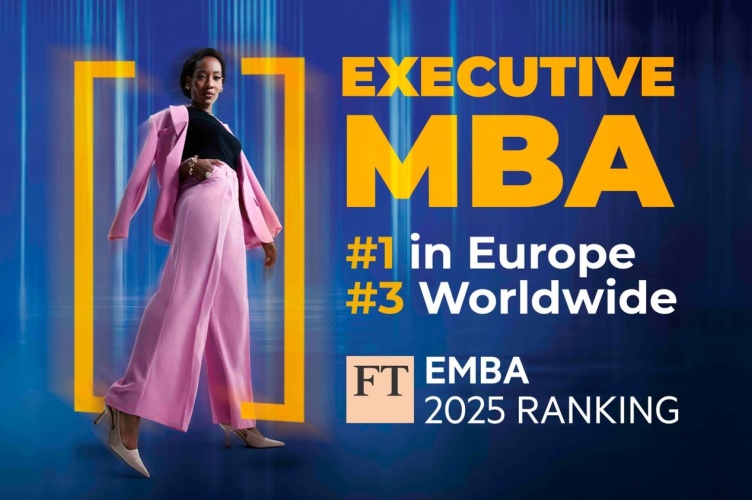
ESCP EMBA holds Europe’s top position for the third year in a row, achieving standout scores globally for career outcomes and commitment to sustainability
ESCP Business School’s Executive MBA programme has again been recognised among the best in the world, ranking #1 in Europe and #3 worldwide in the 2025 Financial Times ranking of the top 100 Executive MBA programmes.
Europe’s top EMBA and a global leader in executive education
This marks the third consecutive year ESCP’s EMBA has held the top position in Europe and in every country where our campuses are located: France, Germany, Italy, Poland, Spain, and the UK. This remarkable performance underscores ESCP’s position as a global leader in executive education and highlights the strength of its European model and international outlook.
These results are a testament to our commitment to shaping leaders who drive positive change and our belief in education that bridges borders, disciplines, and perspectives. ESCP continues to set the standard for a truly international, responsible, and forward-looking business education.
 Prof. Léon Laulusa
Executive President & Dean of ESCP Business School
A proven launchpad for career transformation
ESCP once again achieved #1 for career progress, calculated based on changes in the level of seniority and size of the organisation for EMBA alumni. This result highlights the ESCP EMBA’s distinctive ability to help participants surpass their ambitions and become responsible, impactful leaders on a global scale.
The ESCP EMBA goes far beyond business education. It’s a transformational experience that equips participants with the strategic insight and human values needed to navigate today’s complex global challenges
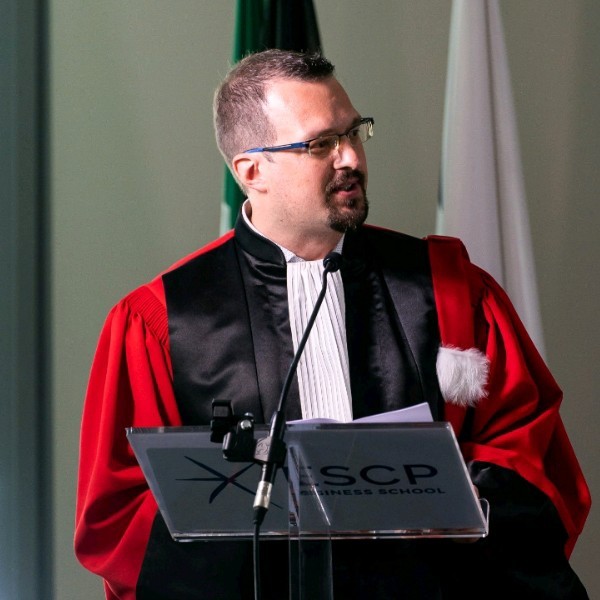 Prof. Francesco Venuti
Associate Dean of the Executive MBA
A sustainability-first approach: #1 globally for ESG
A major highlight this year aligns with ESCP’s leadership in sustainability in business education. Moving up one place from 2024, ESCP now ranks #1 worldwide for ‘Environmental, Social and Governance (ESG) and net zero teaching’, highlighting the programme’s commitment to empowering leaders to create value for both business and society through a sustainability-first mindset.
This distinction also recognises ESCP’s long-standing commitment to embedding sustainability and ethics in every course in the EMBA programme, with professors required to identify two to four Sustainable Development Goals that each course contributes to.
Diverse perspectives and a strong global network
The programme also ranks #2 for international course experience and #5 for alumni network, reflecting both the transformative and global nature of the ESCP EMBA. The programme’s international dimension continues to be one of its defining strengths, with 95% international participants and 93% international faculty. This diversity fosters a truly global learning environment and alumni community where participants share perspectives across industries, cultures, and continents.
Furthermore, the diversity of cohort profiles is increasing. Reflecting a broader trend in executive education, the programme is also attracting more non-traditional candidates—many entrepreneurs or first-generation EMBA candidates—who bring a rich spectrum of personal and professional experiences into the classroom.
A flexible programme built for impact
With flexibility and customisation at its core, ESCP’s EMBA follows a unique model that allows participants to tailor the programme to their personal and professional goals. Participants can choose:
- the location of their core courses (across ESCP’s six campuses or online),
- the format (monthly or intensive week blocks),
- the duration (18, 22, 30, or 34 months), and
- from more than 50 elective courses to design a learning journey that best aligns with their aspirations.
This adaptable structure allows participants to balance their studies with career and family life—an approach deeply valued by its learners as the programme garnered an impressive satisfaction score of 9.67 out of 10, according to the Financial Times.
Excellence beyond the classroom
Beyond programme outcomes, ESCP’s performance in the 2025 FT rankings reflects the strength and growing visibility of faculty research. The School rose 13 places to 58th worldwide for research—an outstanding achievement that validates the importance the School places on rigorous, impactful research, embodied through its strategic LIGhTS research pillars: Leadership & Inclusive Management, Innovation & Entrepreneurship, Geopolitics & Business, Technology & Deep Tech, and Sustainability.
We are deeply proud of this year’s results, which reflect the passion of our participants and alumni, the excellence of our faculty, and the collective power of our global community. ESCP’s EMBA continues to prove that international, responsible, and human-centred leadership is the way forward.
 Manon Marinière
Director of the Executive MBA
Campuses
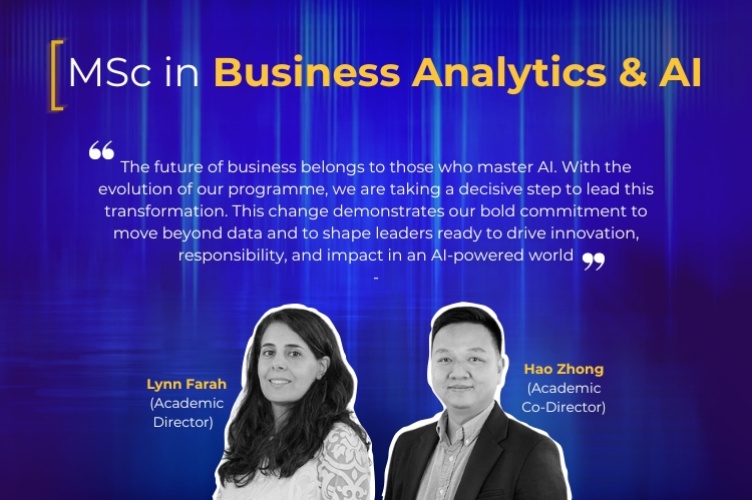
ESCP redefines MSc with a sharpened focus on artificial intelligence
Strengthening its strategic positioning on artificial intelligence and analytics, ESCP Business School’s MSc in Big Data and Business Analytics is now the MSc in Business Analytics & AI.
With this new version of the MSc, we want to give students the keys to transform data into real levers for strategic decision-making. AI is not just a technical skill: it is a language that tomorrow’s managers will need to master.
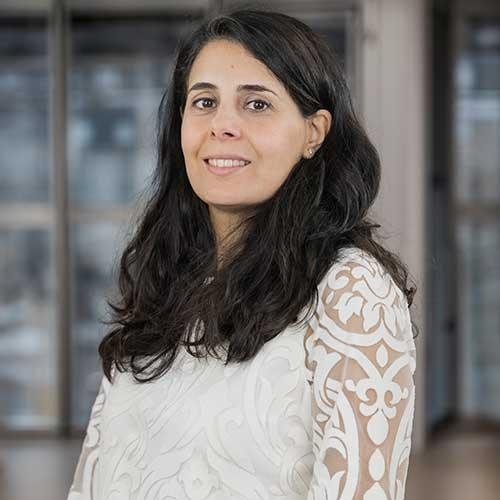 Lynn Farah
Associate Professor and Academic Director of the programme
Real-world AI training through industry collaborations
The programme now offers students unique, hands-on exposure to advanced AI technologies through collaborations with leading organisations.
A collaboration with OpenAI
As part of its collaboration with OpenAI, ESCP has deployed over 10,000 ChatGPT Edu licences, giving students access to powerful AI tools for learning and research.
On 29 September, the new cohort attended an exclusive keynote by Jayna Devani, OpenAI’s Head of Education International, who shared lessons on how enterprises and universities are adopting AI responsibly and at scale. The session included a live demo and Q&A moderated by Prof. Louis-David Benyayer.
A strategic partnership with Hugging Face
This year, ESCP also partnered with Hugging Face, the open-source AI platform co-founded by ESCP alumnus Clément Delangue (MiM 2012). The collaboration gives the ESCP community access to Hugging Face’s state-of-the-art models and its academic hub, Learn.
On 30 September, Merve Noyan, Machine Learning Engineer at Hugging Face, presented the latest breakthroughs and real-world applications of generative AI.
An enhanced curriculum for the AI era
Updated courses reflect a stronger focus on AI and its applications across business professions:
- Data Science & AI for Business (with Dataiku): applying the fundamentals of data science and machine learning in management.
- AI & Quantum: introducing AI technologies (machine learning, deep learning, quantum machine learning), with a dedicated ethics component.
- Data & Analytics Seminar (with Teradata): developing managerial skills to build a data- and analytics-driven culture and strategy, working on real-life cases from the world’s top 500 companies.
- Entrepreneurship & Innovation in the AI Era: exploring how AI opens new perspectives for innovation and value creation.
The challenge is to train hybrid profiles, capable of understanding advanced data science methods while knowing how to apply them to business. This programme places our students at the heart of the digital transformations that are redefining the enterprise.
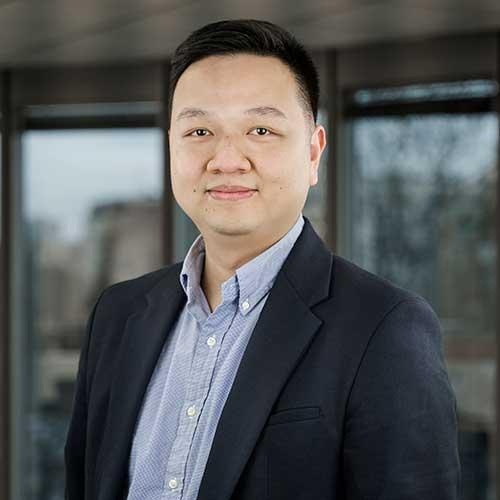 Hao Zhong
Associate Professor and Co-Academic Director of the programme
Preparing leaders for the future
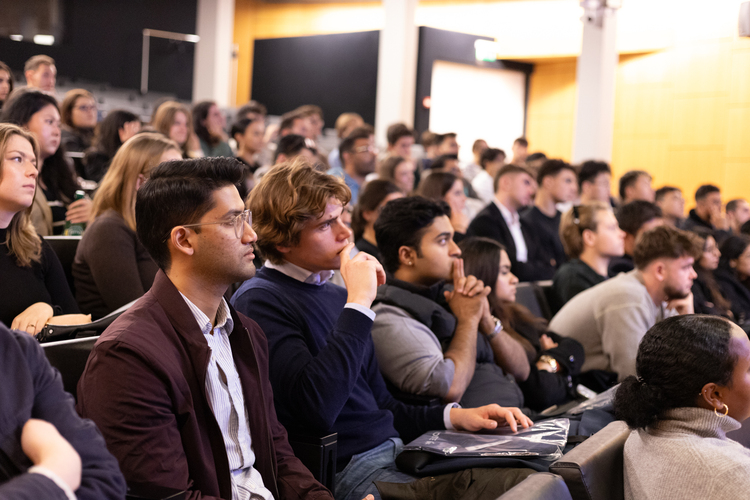
Ranked 9th worldwide in the QS Business Master’s Rankings, the MSc in Business Analytics & AI equips students with the technical, analytical and communication skills needed to drive organisational change.
With AI embedded at its core, the programme prepares graduates to meet the growing demand for leaders who can harness emerging technologies with creativity and responsibility.
“The future of business belongs to those who master AI," shares Professor Lynn Farah and Professor Hao Zhong. "With the evolution of our programme, we are taking a decisive step to lead this transformation. This change demonstrates our bold commitment to move beyond data and to shape leaders ready to drive innovation, responsibility, and impact in an AI-powered world.”
Campuses
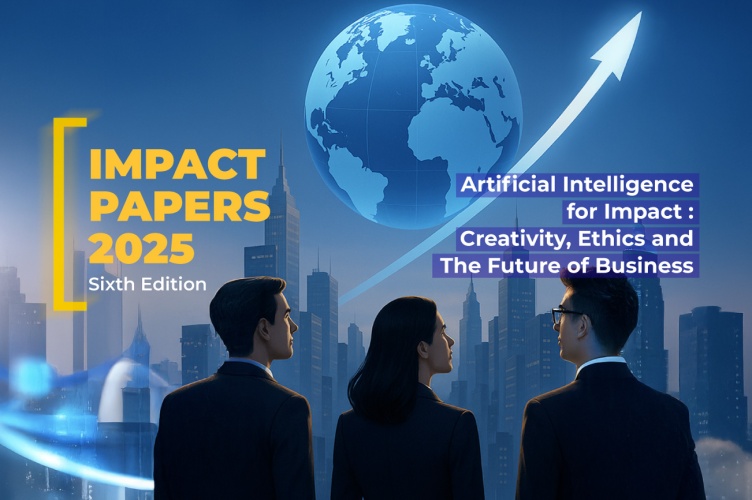
ESCP’s Impact Papers returns with a sixth volume: Artificial Intelligence for Impact: Creativity, Ethics and the Future of Business
After five editions exploring disruption, innovation, and societal change, ESCP’s Impact Papers returns with a sixth volume: Artificial Intelligence for Impact: Creativity, Ethics and the Future of Business. Published by the ESCP Research Institute of Management (ERIM), this year’s edition brings together 48 thought-provoking contributions from ESCP faculty and guest authors across disciplines and campuses to examine how AI is reshaping key dimensions of business and society.
Exploring AI’s transformative role
This edition comes at a moment when the transformative power of artificial intelligence is raising urgent questions for leaders, innovators, and policymakers alike. Contributions highlight the tension between efficiency and ethics, the opportunities for creativity and inclusion, and the risks of concentrating power in algorithmic systems.
- Leadership in the AI era: how traditional notions of authority are shifting as algorithms take on decision-making and management functions.
- Healthcare and drug innovation: how AI can accelerate drug launches and clinical trials while raising new regulatory and ethical challenges.
- Workforce transformation: why experience-based skills such as judgment, contextual awareness, and ethical reasoning are becoming more valuable as routine tasks are automated.
- Entrepreneurship and innovation: the ways in which startups and established firms are using AI to experiment with new models of value creation.
- Geopolitics and sustainability: the implications of AI for economic resilience, inclusivity, and global governance.
This edition highlights important issues that will need to be managed in the coming years and supports new approaches to overcome them. It involves adopting innovative and creative methods, behaviours and processes in response to global change.
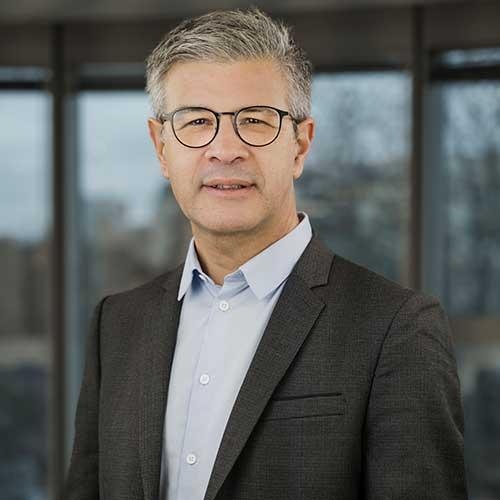 Prof. Régis Coeurderoy
Associate Dean of Research
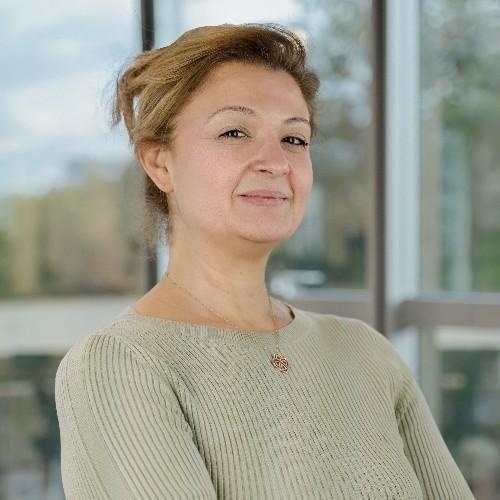 Dr. Sonia Ben Slimane
Executive Director
ESCP Research Institute of Management (ERIM)
A strategic theme for ESCP
For Prof. Léon Laulusa, Dean and Executive President of ESCP, the theme reflects both a global urgency and ESCP’s mission of preparing responsible leaders for a changing world. He underlines the pivotal nature of this edition:
“AI is no longer a distant possibility, it is transforming our world at a breathtaking pace. Beyond the challenges lie extraordinary opportunities: to rethink creativity, to design more responsible forms of leadership, and to build organisations that are not only more efficient, but also more human.”
This aligns with ESCP’s broader strategy of placing responsible AI and technological innovation at the heart of its teaching, research, and institutional agenda. As Laulusa shares, “At its core, AI is a new language to master, one that our students, faculty, and leaders must learn so that they can shape the conversation rather than be shaped by it.”
Creativity and ethics at the core
Editors Prof. Régis Coeurderoy and Dr Sonia Ben Slimane were joined by guest editors Isabella Maggioni, Louis-David Benyayer, Marie Taillard, Sylvain Bureau, and Yi Yang. Together they shaped a volume that bridges research and practice, framing AI’s impact through the lens of the School’s LIGhTS research themes: leadership and inclusive management, innovation and entrepreneurship, geopolitics, human well-being, technology, and sustainability.
Through case studies, conceptual essays, and forward-looking analyses, the contributions show how businesses and societies can harness AI responsibly—balancing technological efficiency with ethical imperatives and creative human potential.
A distinctly European perspective
Reflecting ESCP’s pan-European identity, the Impact Papers bring together research and practice from across the School’s six campuses in Berlin, London, Madrid, Paris, Turin, and Warsaw. The volume emphasises the need for organisations to integrate technological literacy with ethical foresight, and to design business models that support not only performance but also responsibility and sustainability.
“Our professors, researchers, doctoral students and external participants have contributed their distinctive expertise and multidisciplinary competencies,” shares Laulusa. “Together, they offer complementary perspectives to anticipate and design strategies, practices, behaviours, pedagogies, and tools that can help address AI-related challenges.”
From insights to impact
Launched in 2020, the Impact Papers provide timely, research-based insights into global disruption and innovation. Each edition addresses a major societal issue, bridging academic perspectives with managerial practice and public debate.
Our commitment to our strategic plan drives us to ensure that research does more than analyse: it must inspire action. This collection embodies that mission, highlighting how AI can become a force for positive impact when guided by creativity, responsibility, sustainability and inclusion.
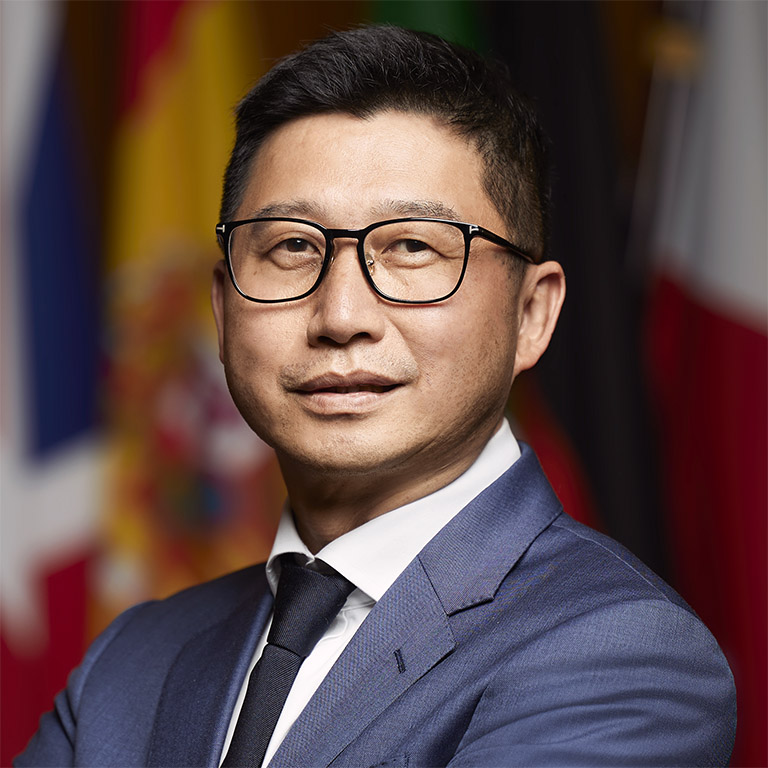 Prof. Léon Laulusa
Dean and Executive President of ESCP
Campuses
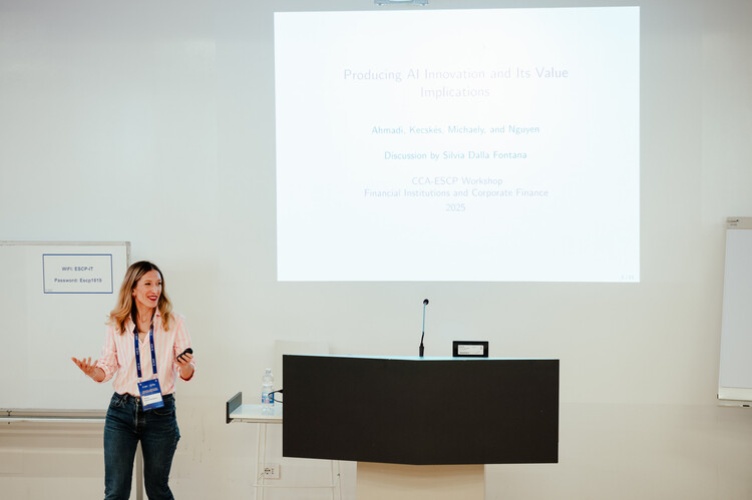
Venture Patterns: Silvia Dalla Fontana on Finance, from Deep Tech to Gender Equity
Silvia Dalla Fontana approaches finance research with the same steadiness and long-term focus she brings to ultra-running — a matter of holding pace over long horizons, adjusting to rough terrain, and keeping sight of the goal “Finance is about how we choose to allocate capital, and these choices shape the kind of future that becomes possible”.
Her research is about making those choices visible. She studies the dynamics that govern how venture capital is allocated, to which startups, in which places, under what conditions — and asks whether those rules are fit for the world we want to build.
Venture Capital and the Challenge of Deep Tech for Climate
In her 2023 paper Innovating to Net Zero, Silvia and her co-author examined two decades of U.S. patent data to see whether venture capital is backing the technological breakthroughs needed to reach climate goals. They found that although VC-backed firms generate only a small share of patents, their contributions are often the most influential — especially in deep tech fields like clean energy storage, industrial decarbonisation, and carbon capture, where scientific breakthroughs are vital. Yet investment has been shifting away from these areas toward quicker, less capital-intensive innovations. “It’s not that VCs are risk averse,” she says. “In fact, they are risk specialists. But deep tech innovation has a different profile: costly prototypes, uncertain scaling, slow-moving institutional customers. And that doesn’t always line up with how the venture model is designed.”
Their point is that venture capital’s incentives don’t always align with the slower, riskier path that deep tech requires. She and her co-author discuss alternatives: government procurement to reduce market risk, patient-capital funds with longer horizons, and public–private partnerships to bridge the gap from lab to market. “From semiconductors to vaccines, history shows how government involvement can be decisive in accelerating progress in certain areas. The open question is whether capital structures will adapt in time to meet the challenge of climate innovation.”
A Stress Test for Venture: From In-Person to Online
If climate exposes a potential structural mismatch between the VC model and the most urgent societal challenges, the Covid-19 pandemic offered a different kind of stress test: what happens when the structure itself is disrupted overnight? In her paper From In-Person to Online: The New Shape of the VC Industry (2023), Silvia and her co-authors studied how venture capitalists adapted when face-to-face meetings and site visits were suddenly impossible. Deals stretched well beyond the usual hubs, and founders outside places like Silicon Valley suddenly found themselves on the map. Even after restrictions were lifted, that broader geography largely stayed in place.
At the same time, investors leaned more heavily on familiar sectors and trusted partners, showing that online interactions could expand reach but not fully replace the trust of face-to-face contact.
The picture that emerges is a hybrid system — more open than before, yet still shaped by existing networks. “What we see is cautious adaptation,” she explains. “The geography has widened, and so far, part of this expansion seems to be holding.”
How First Impressions Shape Investment
In another entrepreneurial finance project, Silvia and her co-authors use algorithms to study how first impressions — facial traits like trustworthiness, dominance, attractiveness, and youthfulness — influence venture funding decisions. Drawing on psychology research about how people form snap judgments, they asked whether these cues predict which startups receive funding.
The answer, they found, is yes, with variation across industries and gender. The authors show that venture decisions are shaped not only by business fundamentals but also by the heuristics and impressions that come into play when investors face high uncertainty.
Her research studies how people make decisions in contexts where information is limited. By making invisible cues more visible — whether first impressions or inherited norms — she hopes research can contribute to better-designed systems and better outcomes.
Human heuristics are part of the allocation machine.If we want capital to go to the best ideas, we need to understand the signals that influence those judgments.
 Silvia Dalla Fontana
Assistant Professor of Finance at ESCP
Finance and Inclusion
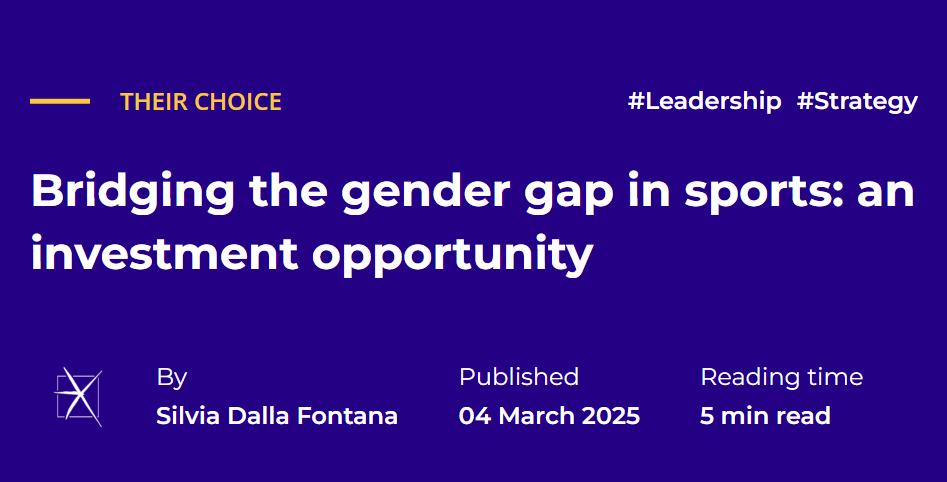
Silvia draws parallels between finance and other domains where exclusion has long distorted value. In an essay on women’s sports, she described how bans, underfunding, and lack of visibility limited participation and stunted growth. The comparison with venture is not rhetorical. Both are arenas where talent exists but is often unseen, where structures amplify some voices and marginalise others, and where the absence of role models perpetuates inequity.
These patterns are not just visible in sport. That is why she sees inclusion in early-stage finance as so critical. The companies that were small startups only fifteen years ago are now reshaping work, politics, and daily life.This illustrates why the allocation of capital matters: it helps determine which futures take shape. Markets can sometimes overlook certain areas, and decisions about which startups are funded are relevant well beyond the fate of any single firm.
The Long-Distance Mindset
Silvia is at the beginning of her career — she completed her PhD at the Swiss Finance Institute in 2024, was a visiting scholar at Imperial College London, and joined ESCP’s Turin campus soon after — but already her research points to a clear set of interests around how early-stage finance shapes the trajectory of startups and, ultimately, the innovations that reach the market.
She often draws on her experience as a long-distance runner, where progress comes through patience and consistency rather than quick bursts. The same mindset shapes her research: steady in focus and oriented toward understanding the structures that influence long term outcomes. Progress comes from staying on course, adjusting when the terrain gets rough, and keeping sight of the long-term dynamics her work aims to understand.
This article is based on the conversation with Silvia Dalla Fontana, held in September 2025.
Relevant link
Campuses

Leadership, bold decisions, and building a legacy in challenging times: A conversation with Stephan Kemen, CEO of Mäurer & Wirtz
In a second session of the Entrepreneur Conversations series, Stephan Kemen, CEO of Mäurer & Wirtz House of Perfumes, Germany’s largest fragrance manufacturer and owner of iconic brands such as 4711, spoke with ESCP participants and alumni.
Drawing on his journey from professional footballer to beauty executive, Kemen shared insights on leadership, brand building, and the importance of courage in steering a legacy company towards growth. Below are some the key takeaways from the event, the entirety of which can be streamed below on Spotify or watched on YouTube.

Leading with clarity and courage
Kemen’s tenure as CEO began under extraordinary circumstances: his first week coincided with the outbreak of COVID-19. While competitors reduced marketing budgets, he decided to maintain investment and launch new products. The bold move allowed Mäurer & Wirtz to gain market share and defined his leadership style. “If you would like to have outstanding success, you have to do outstanding things, not just so-so things.”He summarised his leadership approach in five rules: listen to people, show respect, be bold, love what you do, and make decisions. For Kemen, the ability to act - even at the risk of mistakes - is essential. “It’s better to take a bad decision than no decision,” he shared.
Building a sustainable and inclusive culture
Culture transformation, Kemen noted, is a long-term process. “I started five years ago and I would say we need another five years.” Over these five years, he has introduced global strategy days, encouraged project ownership, and fostered openness between teams. His focus is on creating an atmosphere of trust rather than fear.He described himself as a bridge between generations: rooted in traditional values while fluent in the digital world. This dual perspective helps him connect with employees across age groups and prepare the company for the future.
Innovating in a traditional industry
Fragrance is a category defined more by heritage and emotion than by constant product innovation. For Kemen, success still begins with the product. “Product is king. If you fail with your products, you can have the best content…it won’t fly.”At Mäurer & Wirtz, this means balancing a diverse portfolio: from accessible brands to niche and prestige lines, alongside licensing agreements such as Escada. While experiments in sustainable perfumes, like the “Hey Pure” brand, showed mixed results, he emphasised the need for continuous exploration and adaptation.
Responsibility beyond profit
Beyond financial performance, Kemen spoke about the responsibility to foster creativity, offer meaningful work, and build a company people are proud to join. He also reflected on the importance of entrepreneurship as a mindset that extends beyond business, shaping society and personal life. His view of legacy is not tied to numbers alone. “I would say it’s a mindset. Being bold, trusting your qualities, opening totally new paths - and the atmosphere.”Ambition and long-term growth
Looking ahead, Kemen outlined Mäurer & Wirtz’ ambition to double its turnover from €240 million and join the ranks of the top 10 global fragrance players by 2030. He sees acquisitions and international expansion as critical levers for achieving scale.When discussing recruitment, he stressed the importance of passion over CVs. “I don’t have an agenda. I just ask ‘What is your favourite brand and why?’ to sense the fire in their eyes.”
Leadership rooted in boldness
Stephan Kemen’s conversation at ESCP Berlin highlighted a leadership philosophy built on courage, respect, and decisive action. His reflections offered students and alumni a clear message: in business and beyond, progress demands the willingness to take risks, inspire others, and remain committed to long-term growth.
Campuses
Shaping the Future of Universities in an AI World
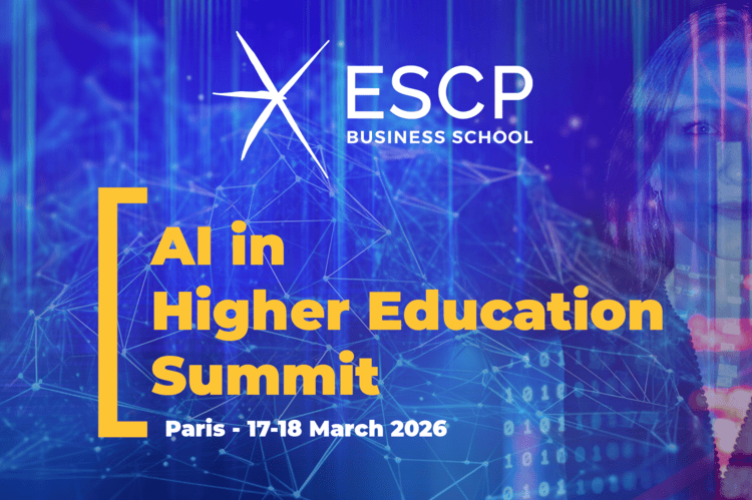
Artificial intelligence is transforming universities at every level — from classrooms to research labs and administrative offices. The AI in Higher Education Summit 2026 in Paris will bring together academics, innovators, and policy-makers to discuss one central question:
How should higher education evolve in an AI-driven world?
This international event is the place to exchange ideas, showcase innovations, and shape the roadmap for universities in the age of AI.
Why Attend the AI in Higher Education Summit?
The AI in Higher Education Summit 2026 has emerged as a key European forum for institutions seeking to understand and shape the impact of artificial intelligence on higher education.
Following a highly successful call for contributions, the Summit will bring together a diverse and international group of academic leaders, researchers, policymakers and practitioners. The strong volume and quality of submissions confirm the urgency of building a shared, strategic reflection on AI in higher education.
- Gain strategic perspective by engaging with leading scholars, institutional leaders and policymakers working at the forefront of AI adoption in higher education.
- Learn from concrete experiences through selected case studies, demonstrations and applied research drawn from universities and institutions across Europe and beyond.
- Engage in high-level debate on pedagogy, research integrity, ethics, governance and institutional transformation in the age of AI.
- Contribute to lasting impact by helping shape a landmark White Paper and taking part in the emergence of a European community of practice.
The Summit is designed not only as a space for discussion, but as a platform for co-creating orientations and solutions that will influence the future of universities.
Program Highlights
The programme is currently being finalised and will feature a combination of keynote sessions, high-level roundtables, thematic discussions and demos informed by contributions.
- White-Paper Keynote – Presentation of the 2026 AI in Higher Education state-of-the-art report.
-
High-Level Roundtables:
Education in an AI World – Rethinking learning, knowledge creation and academic practices in the era of generative AI.
Deans & University Leadership with deans from: ITBA, Univ of Alberta, Georgetown University – Rethinking governance, academic roles and institutional strategy in the age of AI.
Skills for the AI-Driven Corporation – Redefining professional skills, ethical standards and human–AI collaboration in a rapidly evolving workplace.
Policies for AI in Higher Education – Shaping public frameworks for responsible, trusted and impactful AI adoption across higher education systems.
- Keynotes confirmed by Open AI, Digital Education Council, HuggingFace.
- 10 Demos & EdTech Showcase – Discovering practical AI solutions and innovative tools for higher education, teaching and administration through live demonstrations.
- 40+ academic submissions received from all over the world and from universities active in engineering, science and humanities. Notable institutions represented: BI Norwegian Business School, ITBA, University of Lancashire, Rotterdam School of Management, Czech University of Life Science, American University of Cairo, Edhec, Oxford, ISAE Supaero, Tech de Monterrey, Kozminski, IIT Madras, Harvard.
Thematic Tracks:
- Teaching – Classroom innovation, digital assessment, student engagement and new learning models.
- Research – AI-powered methodologies, international collaboration and academic integrity.
- Administration – Institutional transformation, smart admissions, AI-driven student services and operational efficiency.
Call for Contributions – Now Closed
The Call for Contributions for the AI in Higher Education Summit 2026 is now closed, and we are pleased to share that it has generated a strong and highly qualitative response from across the international higher education and tech community.
With a rich and diverse set of perspectives now confirmed, the Summit programme is taking shape and promises to offer a strong, forward-looking discussion on the future of higher education in the age of AI.
Registration
Thank you for your strong interest in the AI in Higher Education Summit.
The event has reached full capacity. You can still register to join the waiting list, and we will be in touch if a place becomes available. By registering, you will also receive the dedicated white paper and publications shared during the Summit.
Location
Organiser: ESCP Business School
Paris - France
MapDate
Start date: 17/03/2026
Start time: 8:00 AM
End date: 18/03/2026
End time: 6:20 PM