

Before entering the isolation phase, the IoT Chair intended to organise a conference about BtoB IoT Data: what value creation and monetisation strategies ?... and decided to organise it online.
The conference was held on Thursday 9 April just after the 3-hour presentation of the IoT company projects.
BtoB environments are more and more connected: industry 4.0, construction sites, utilities infrastructures, trucks, ... Every second, data related to a wide range of measures is captured by sensors and transmitted. What is the value of such data? How is it captured? What are the barriers and enablers of value creation and monetisation?
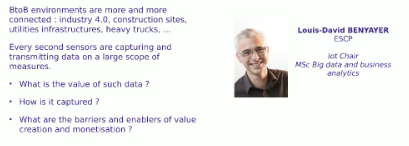
"Closing the course on "strategy at the age of IoT", this conference addresses a major topic for IoT : how data transforms companies and changes competition. This topic blends technical, legal, marketing and strategic dimensions. All are intertwined when it comes to value creation. Our 5 speakers stressed one important message : as the value of data grows when it is used and shared, the ability of a company to organise the data gathering and sharing within a business ecosystem is key." explains Louis-David Benyayer, Affiliate professor at ESCP, who designed this event.
This conference gathered 5 experts:
Pascal Zammit (Michelin, Group Senior Vice President, Business Venture Connected Mobility, Global Services and Solutions Business Line) shared Michelin initiatives in data monetisation and sharing.
Adrien Basdevant (Lawyer, Member of the Paris Bar) discussed the specificities of industrial data and the mechanisms of value capture and sharing.
Stéphane Derville (Mobivia, Research & Innovation), presented how data changes the economics of the mobility market.
Martin Ducroquet (Sencrop, General Manager and ESCP Alumnus) and Anicet Bart (Sencrop Head of Data), explained how Sencrop’s connected agriculture solution data creates value.
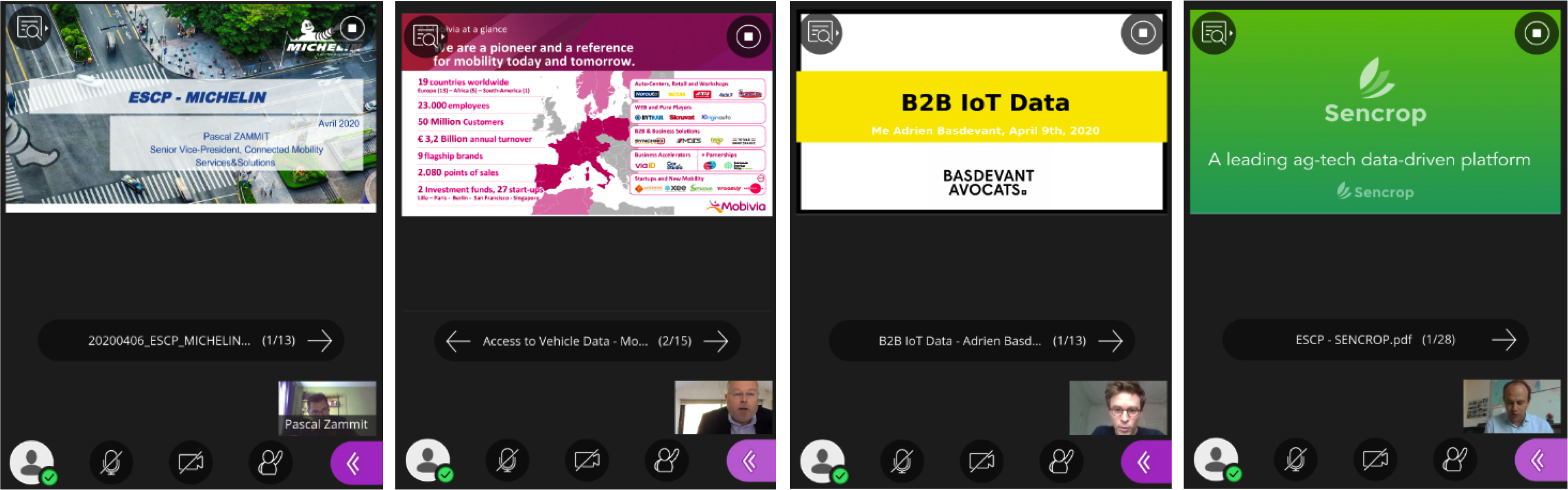
About 70 participants attended this 2-hour event, including students who have reached the end of their semester of IoT specialization. A nice way to add a further brick to their IoT skills.
Let’s have a look at their feedback:
For Beatrice Lona, “the conference was really helpful in giving interesting insights on the various applications of data. In particular, in the presentation made by Stéphane Derville of Mobivia, what emerged is how a traditional sector such as the automotive industry needs to evolve and to be digitalized. In order to do so, and to therefore support the digitalization of this industry, data accessibility is needed. In fact, data are necessary, for example, for car maintenance or repair, or for the automation of the vehicle. These data, to be valuable, have to be provided in an open standard format. Moreover, when moving towards a more digitalized automotive industry, there is a refocusing from considering “vehicles as a simple product” to “vehicles as a service”.
For Anna Parolin, speakers brought to the audience many valuable and concrete insights. Among them, Pascal Zammit, who represented the business reality of Michelin.
“First, Pascal explained us how Michelin started right from the beginning to embrace an ideation process inspired by ad-hoc innovative techniques (such as Design Thinking, empowerment of employees’ ideas, construction of a creativity-favorable work environment, hackathons, collaboration with the customers, etc.) to undertake the data potential challenges. Unfortunately, at the beginning, all these initiatives did not return the expected results. That is where we were strongly reminded that the major issue is alignment. Having ideas is very simple, what is determinant is performing perfectly in the alignment for effective execution. Therefore, there is this need to bridge the gap between strategy and execution.
Secondly, he explained the difficulty to move an industrial tier system (indeed, very traditional and characterized by processes and structures in loop) towards a less efficiency-based and more experiment-based system where benefiting from data usage is key. Hence, there is the need to manage the trade-off between investing in new technologies and systems without penalizing already existing industrial processes, especially when facing the characteristics of traditional industrial business.
Thirdly, he stressed how Michelin tried to have a “servitization” of its industrial business. In particular, my curiosity was attracted by the “tier” as a service principle (aiming not only at producing tiers, but at making tiers useful tools to collect and study data), and by the “becoming experts” strategy (aiming at becoming experts in consumers’ behaviors, in tier usage and in road conditions, to provide services connected to tier usage). Pascal provided an excellent example of moving a business from a merely industrial one to a more servitized one, seizing the potential of data.”
Campuses

Campuses
Students from the IoT specialization did an amazing job finalising remotely the company projects launched 2 months ago
34 students, 7 projects, 7 groups… And 4 companies as sponsors (Société Générale Assurances, Schneider Electric Valeo and Kerlink) who asked students for recommendations about: Opportunity of a parametric insurance for online travel services, Go to market strategy for XIOT solution (Water Segment clients), Go to market strategy for XIOT solution (Farming Segment clients), How to pitch Kerlink's value proposition to European and and North-American cities, Monetisation strategies for Voyage XR solution, Value proposition of an IoT motorcycle insurance in the French market .
Students provided sponsors with well-argued recommendations.
Porter’s five forces analysis, persona, design thinking method… a lot of tools have been implemented to
- sort out a competitive analysis
- explore customers’ motivations
- define a go-to-market strategy and the sale process
- elaborate the value proposition
Based on their findings, they decided either to launch new services or to improve the one’s existing.
They prototyped the user experience and designed business models by identifying partners, suitable targets and potential leads.
Every year, these company projects are part of the learning journey and a solid complement of what students learnt in the classroom.
“How proud of our students we are! Attending online courses is one thing. Complete a teamproject remotely is another” says Sandrine Macé, Scientific Director of the IoT Chair. “Despite the isolation phase, students gave an ample proof of their agility and comittment”.
“I’m very impressed how the teams navigated through the process remotly. Valuable results have been presented to the sponsors. Groups found nice ways to interact with the audience even online” adds Louis-David Benyayer, one of the Professor of the IoT specialization in charge of the projects’ process. “These projects are every year a complement of what we did in the classroom. They are a powerful teaching method challenging students to tackle real business cases”.
Andrea Locatelli, Directeur Marketing Stratégique & Business Development, Valeo, pointed out the quality of the tools and presentation, the way information has been showcased. “Numbers were well argumented, Project management has been efficient. I appreciated a lot their open-minded spirit. They were at ease with the design thinking process and understood perfectly our culture and ecosystem”.
Cyrille Chassaing, Americas Commercial Development Manager, Schneider Electric Water, also congratulated students “who have been able to work normally even in this creepy context. Team involvement level has been extremly high and multicultural dimension has been an additional value for students but also for us”.
Stéphane Dejean, Chief Marketing Officer, Kerlink Group, also enjoyed working with the ESCP students: “They were good at highlighting the essentials in a 7-minute presentation online. An amazing performance! It’s impressive to see how they are comfortable with digital tools, how they leverage them to support their argumentation. Value proposal, value chain have been perfectly tackled. A very good business-oriented work!”
Clément Le Blanc, Innovation project manager, Charles Kalanquin, Strategic Marketing Analyst and Matthieu Chenevier, Head of project portfolios, Deputy Chief Innovation and Digital Transformation Officer, Société Générale Assurances, also applauded the great work done in this complicated period. “Students understood our needs very fast and we can learn a lot from the ideas they came out with. Their outcomes are very insightful. We had weekly meetings with efficient interactions with both autonomous and comitted students”.
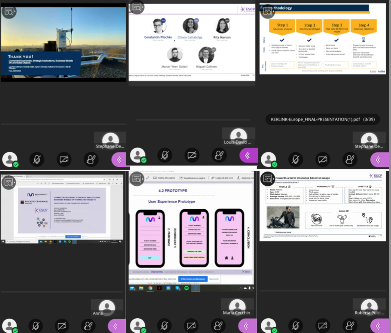
Congratulations to all students!
Alessandra BEGUINOT, Alex FERDINANDI, Anass HARRAK, Anna PAROLIN, Antoine NARDONE, Auriane PICHARD, Bartosz TRZASKOMA, Béatrice LONA, Benedetta DE BENEDETTI, Charlotte MÜLLER, Chiara CATTABRIGA, Constantin PLISCHKO, Facundo FORGIONE, Felix LORENZEN, George GHORAYEB, Johannes ZEISEL, Katharina ÖNNESMANN, Kumar AMAN, Leonhard DIHLMANN, Lucile REINE, Manav Veer GULATI, Maria CECCHIN, Mateusz KOWAL, Michela GRIMALDI, Miguel COHNEN DE LAS RIVAS, Myriam SCHNEIDER, Pauline BABEAU, Pauline BANCOURT, PAULINE VERBRUGGE, Riccardo MARANGON, Rita MAROUN, Roberta PULCINI, Sagar NISHAR and Valentin WITTMANN
One of them, Felix, shares his experience. See here.
Campuses
Related stories

News 15/04/2020
INTERNET OF THINGS CHAIR
Covid-19? No reason for the IoT Chair to change its plans
An online conference about BtoB IoT Data: what value creation and monetisation strategies ?
Paris
News 23/03/2020
IoT Chair
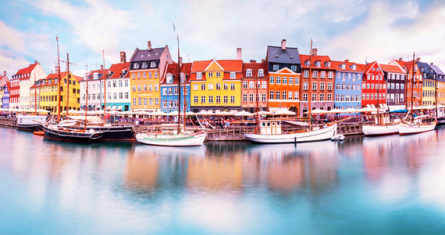
The IoT chair goes to Copenhagen
33 lucky MiM students from the #IoT specialization went to Copenhangen to explore what the IoT world is there.
Paris
News 22/04/2020
IoT CHAIR
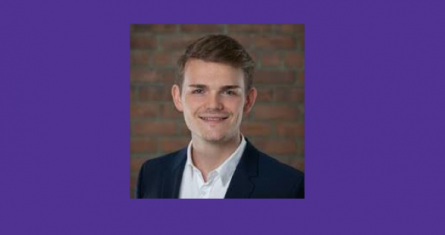
Meeting with Felix, ESCP's student, IoT specialization
Focus on how he went through the company projects'challenge
Paris

ESCP Business School welcomes you to an interactive Open Day delivered straight to your screens.
Join us LIVE on Saturday, 18th April 2020 to find out why the Bachelor in Management (BSc) programme is the right fit for you. Join as many sessions as you wish and have the chance to talk to current students from around the world, get application tips from recruiters and admission officers, and talk to support services staff!
4:00 PM BST - Programme Presentation + Application Tips
Join: https://bit.ly/2JX9AAZ
5:00 PM BST - Student Ambassador Q&A Session
Join: https://bit.ly/39Z9hjQ
6:00 PM BST - Life in London
Join: https://bit.ly/3aWZqwi
7:00 PM BST - Life in Paris
Join: https://bit.ly/3e7Xq6p
Can't join us at this time? We will be hosting another round of sessions in the morning: https://escp.eu/events/online-open-day-bachelor-management-bsc-session-1
Look forward to seeing you online!
Location
Organiser: ESCP Business School
Online - Worldwide
MapDate
Start date: 18/04/2020
Start time: 4:00 PM
End time: 8:00 PM
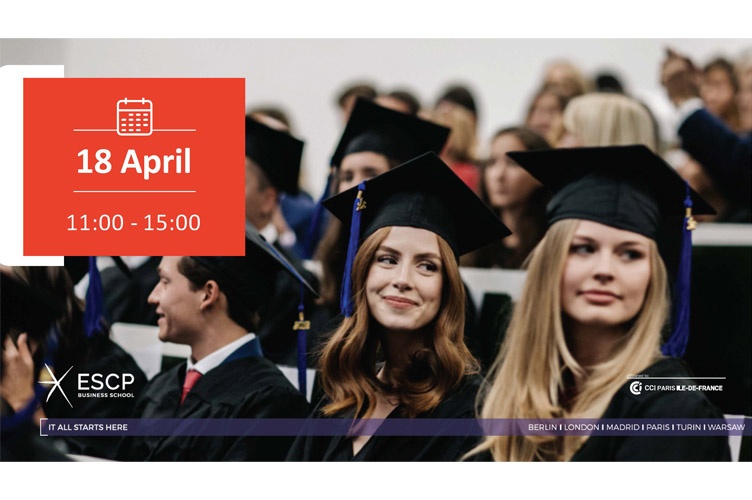
ESCP Business School welcomes you to an interactive Open Day delivered straight to your screens.
Join us LIVE on Saturday, 18th April 2020 to find out why the Bachelor in Management (BSc) programme is the right fit for you. Join as many sessions as you wish and have the chance to talk to current students from around the world, get application tips from recruiters and admission officers, and talk to support services staff!
11:00 AM BST - Programme Presentation + Application Tips
Join: https://bit.ly/2JX9AAZ
12:00 PM BST - Student Ambassador Q&A Session
Join: https://bit.ly/39Z9hjQ
1:00 PM BST - Life in London
Join: https://bit.ly/3aWZqwi
2:00 PM BST - Life in Paris
Join: https://bit.ly/3e7Xq6p
Can't join us at this time? We will be hosting another round of sessions in the evening: https://escp.eu/events/online-open-day-bachelor-management-bsc-session-2
Look forward to seeing you online!
Location
Organiser: ESCP Business School
Online - Worldwide
MapDate
Start date: 18/04/2020
Start time: 11:00 AM
End time: 3:00 PM
Campuses
Even in a storm, ESCP shows its resilience and ability to keep on growing. In the midst of these challenging times, ESCP Corporate Services has forged a new and important partnership with the innovative and fast-growing web company Facile.it.
One of the key characteristics of ESCP Turin Campus is its strong ties to the business community. The campus boasts 16 corporate partners and robust relationships with several national and international companies.
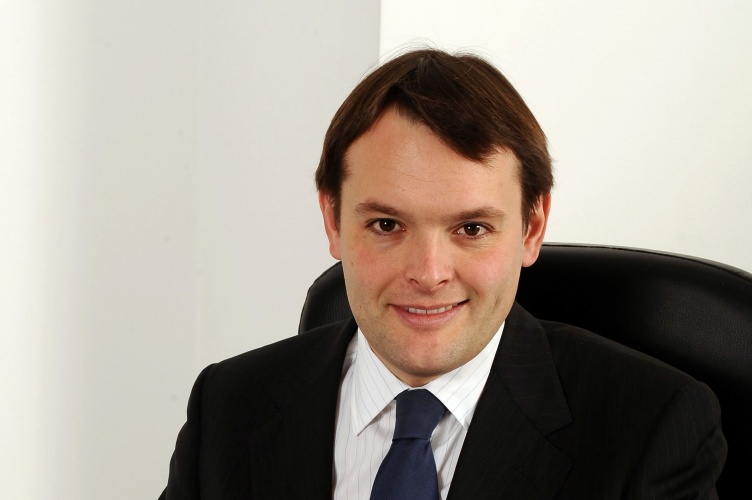
To honour Turin Campus’ latest corporate partnership, we interviewed Mauro Giacobbe, CEO of Facile.it, Italy's leading price comparison company for insurance, financial services, utilities and internet providers. The company, founded in 2008, helps approximately 3 million users every month compare prices and save money on crucial elements of their household expenditure. Facile.it is an internet company with more than 300 employees in its Milano Headquarters and 1,000 total, and generated revenues of €106 million in 2019, growing more than 20% on top line with organic growth.
Facile.it is the leading price comparison website in Italy. What are the key ingredients of its success?
Key ingredients have changed over time, given the growth of the business. In the beginning the 2 key ingredients were: being very fast in closing commercial agreements with providers to build the panel to deliver a relevant service to the final customer and being very fast in creating the best technology. In the following years, we created an organization with dedicated teams for each vertical (a sort of “mini-company”) in which smart young people were crucial to the scale-up. From 2014, having professional investors (private equity) allowed us to grow further, while providing additional resources and bringing in team advisors and board members with expertise and vertical experience.
COVID19 is fast-tracking Digital Transformation in companies but also in our daily lives. What impact is this forced migration going to have and how will it affect your business?
On the operational side, it has had and will have a very limited impact because the company was already used to smart working, and having an in-house tech team allowed Facile.it to be very reactive in implementing smart working solutions for contact center activities too. On the business side, the impact is very different across verticals. For example, because there is a higher request for connectivity and because traditional physical channels (providers’ mono brand stores) have been closed due to the coronavirus, forcing people to migrate online, broadband has grown more than 80% from a few weeks ago. At the same time, lending products (personal loans and mortgages) are the most affected with a double-digit decline. The issue is more on the demand side (people postponing purchase of cars, furniture, houses) rather than on the offer side. Anyhow, as of today, we are not seeing a credit crunch.
How will the brokerage market develop in the next five years?
There is a clear migration trend from offline channels to online channels. Furthermore, when online, more and more people tend to use price comparison services rather than buy directly from providers, given the convenience and saving potential that price comparison websites can offer.
Several ESCP Alumni work in managerial positions at Facile.it. What skills in particular are required to be successful in your company?
We strongly believe that brainpower and energy are more important than experience. We appreciate a quantitative approach, a dynamic mindset and a flair for dealing with unexpected situations.
What important factors led Facile.it to choose ESCP as its partner?
There are 3 essential reasons why ESCP is the right fit for Facile.it. First of all, we attended the last ESCP Career Fair and we were very impressed with the quick thinking, analytical skills and efficient approach to solving problems and finding alternative solutions that we saw in its students. Second, we have 4 ESCP Alumni who are in charge of strategic and managerial positions inside the company; last but not least, ESCP offers its partners very specific initiatives to be conducted with students that guarantee a high level of integration with business projects, thereby creating effective opportunities to merge the company with its academic activities.
Given that growth opportunities for employees is a fundamental element in the success of a company, what is the best way to achieve this goal?
Facile.it grew has grown quickly and consistently in the last 10 years. The company’s organization is also growing: more people, more layers, new business lines and services. In an environment like this, we always try to give new roles to people on the inside before hiring from other companies and, when possible, we tend to avoid lateral hiring. We have a clear and open agreement with our employees; we ask them to strive to go above and beyond. They always do, because they know it’s something we care about and that we recognize the merit and value of their efforts.
ESCP aims to educate future leaders. You became CEO when you were only 35, so what tips would you give our students on building a successful career like yours?
To be completely honest, I was very lucky because the former CEO decided to launch another company and investors decided on an internal promotion rather than on external hiring. Facile.it is a digital company with a strong focus on long term top line organic growth, so key factors are probably different from what is required in “ordinary” companies. My suggestion to young people is: try to rotate as much as possible. Try to experience many activities, especially across departments; for example covering overtime sales, biz dev, and marketing, because it helps understand complex business models by being able to see from different angles. In terms of companies, big corporations offer a slower learning process (although they are more structured in terms of job rotation programs) because decisions are taken at a higher level. My last suggestion is to be bold and always try to outdo yourself.
ESCP cooperates with some of the most diverse and reputable institutions and companies of all sizes, from multinationals to start-ups, and offers a platform for the active transfer of knowledge.
Campuses
Related stories
News 14/02/2020
Turin Event
The biggest ESCP Career Fair ever
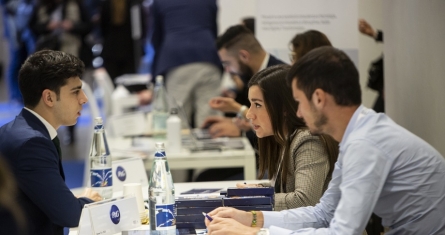
More than 100 companies brought together to meet ESCP students and alumni during a 2-day Career Fair in Turin
Turin

News 24/03/2020
Turin News
Matteo Frescobaldi is among the Italian #forbesunder30, ESCP alumnus and 30th generation of a family firm with 700 years of history
Matteo, Master in European Business alumnus, class of 2012, is the youngest member of the thirtieth generation of Marchesi de Frescobaldi, a family firm with seven hundred years of history.
Turin

News 27/03/2020
Turin News
ESCP launches the Diversity and Inclusion project
ESCP launches the new Diversity and Inclusion project, which will strengthen the core values of the Business School. It is an important initiative by the ESCP Turin Campus, which will involve the entire staff. Administrators, Affiliate and Full Faculty Professors will go back to school to develop Diversity Management skills.
Turin
Escp’s Msc in Big Data and Business Analytics Organised Its Annual Hackathon for the Third Year Running!
For the third edition of the MSc in Big Data and Business Analytics’ annual hackathon, students were challenged to find disruptive solutions based on machine learning and artificial intelligence, using novel marketing, operational and analytical approaches, as well as financial analytics.
They worked on three projects in the field of Marketing 4.0, Blockchain in Fintech, and Sustainable and renewable Energy for this year’s partner companies: Criteo, Equisafe and EuroWatt.
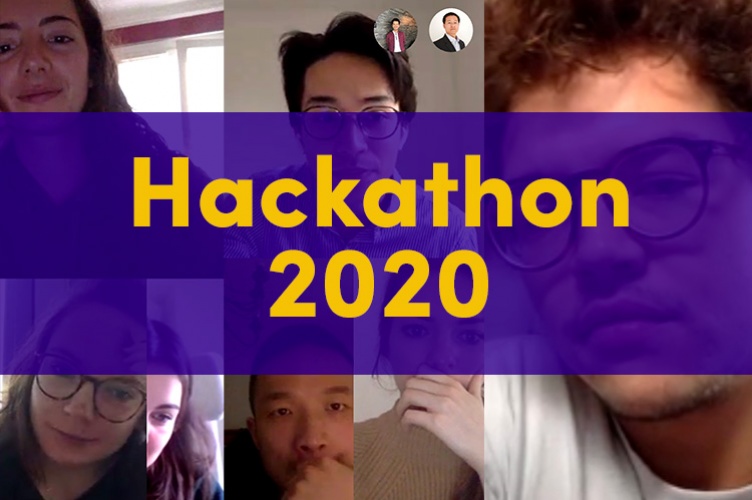
An Online Hackathon From 16 to 20 March 2020
Given the current global context with the Covid-19, this year’s hackathon took place online, highlighting the great agility and adaptability of students when faced with exceptionally challenging situations.
Over the course of 5 days, 20 teams worked tirelessly, leveraging their business and technical skills to real world issues to find solutions to create social and business value for the partner companies.
Their knowledge of analytics and cognitive computing, their commitment and passion to these issues enabled them to support organisations through major changes, proving that they are, undoubtedly, business leaders.
Equisafe Project
Fintech is disrupting the financial industry, giving a major advantage going forward to blockchain development companies in this sector.
The diffusion and scalability of the emerging Fintech will depend mostly on users’ adaptation and value propositions.
The economic models will soon become obsolete with the lengthy and costly money, asset and information transfers through multilayer schemes with several intermediaries. Fintech companies, such as Equisafe, are constantly growing and always looking for new challenges to implement the platform's potential.
Bilal El Alamy, CEO, founder, ESCP alumni and Hackathon winner; for this edition proposed three different challenges for ESCP students with the scope of possible development for new features of the product:
- Quantitative Finance: Portfolio Optimization for tokenized private stocks.
- Corporate Finance: Create a model for the Internal Rate or Return.
- Graph Theory: Create a granular graph of corporate to track shareholder participation.
Criteo Project
Based on intricate observation and analysis of the paradoxes in view of the digital technology boom, Marketing 4.0 emerges in the recent past.
As Artificial Intelligence, Machine Learning, Big Data, IoT and mobile devices become more ingrained in consumers’ lifestyles – deeply influencing their attitudes and behaviors – consumers will increasingly look for the perfect mix of tech and traditional merchandise consumption that makes their lives easier.
Marketers need to brace up for this transition and adaptation period in the run up to a fast-developing digital economy.
Eurowatt Project
Energy worldwide needs to grow with the emerging technologies in Artificial Intelligence, IoT, Machine Learning, and Big Data Analytics.
Fast technology advancement has enabled many alternative and renewable sources of energy to emerge in the recent past.
All renewable energy sources like solar, wind, geothermal, hydropower, wave and tidal power are forms of sustainable energy. They have low environmental impact, widely available and are naturally replenished. Modern energy companies are keen to make renewable and sustainable energy more accessible to the world.
At the end of the week, each team presented its results in the form of prototypes, technical solutions or new uses to develop the practices of the various sectors represented, in front of a jury* made up of ESCP professors, technology partners and partner companies.
*Jury Members:
- Mathieu Coustets
- Simon Manceau
- Stéphane Alix
- Nicolas Baudy
- Bilal EL ALAMY
- Louis-David Benyayer
- Wei Zhou
Special Thanks to All the Jury Members And:
- Opendatasoft
- ESCP Big Data Club
- Laurent Molter
- Hsin-Hsuan Meg Lee,
- Sascha Peschel
- Anh-Phuong Ta
- Sabrina Azor
- Huihui Chi
- Sha Zhu
Winning Teams
1st Prize
- Criteo: Maximilian Baum, Valentin Fischer, Salma Mezyaoui, Maxime Pracisnore
- Eurowatt: Philipp Magnus Aring, Johan Larsson Garnich, Ziae Mustafa, Andrea Sabia
- Equisafe: Yuxi Guan, Ding-Yao Jheng, Lorenzo Tozzi, Meng Zhang
2nd Prize
- Criteo: Charles Biwer, Margot Crespin, Gabriel Darmon, Mathilde Gomez, Luna Joseph
- Eurowatt: Tanasit Mahakittikun, Nourhan Nassar, Jonathan Scheepers, Javiera Vines Alvarez
3rd Prize
- Criteo: Antoine Guerrini, Yousseff Jactthar Noguera, Kim Vogel, Qinjiong Zeng
- Eurowatt: Amaury Charbon, Inès Des Rieux de la Villoubert, Bastien Hellouin de Cenival, Olympia Hilverda, Alexandre Lachkar
Campuses
#thechoice #sustainability
"For our students, learning expeditions and business trips are essential ways to learn and discover the world, beyond the boundaries of the classroom. ESCP students have the privilege to travel across the world and are trained to work in highly international contexts. However, travelling (from students, staff or faculty) constitutes a central environmental impact of our school, and we need to act on it", explains Professor Aurélien Acquier, Head of Sustainability Transition and Scientific co-Director of the Deloitte Circular Economy Chair. "This is why we are exploring ways to reduce our CO2 footprint, and starting to offset the CO2 generated by our travels."
Shaping business to contribute to society in a positive manner is one of the ESCP key missions. In our VUCA world one thing is certain: a new paradigm with responsible and collaborative leadership has arrived.
The choice of sustainability
That’s what Jean-Baptiste Institute did, by joining the ClimateSeed platform to offset the GHG emissions from its learning expedition to San Francisco in order to mitigate the impact on climate changes, in a socially responsible way.
ClimateSeed is a Social Business launched in collaboration with Nobel Peace Prize Laureate Prof. Yunus' team- reinvesting 100% of its profits in environmental projects. This greentech provides several tools to take climate action, including a voluntary carbon offsetting platform to help connect organizations with tangible projects that either avoid or capture CO2 emissions. The ClimateSeed digital marketplace allows organisations to offset their CO2 emissions by supporting sustainable projects. All projects preserve the planet and contribute to the Sustainable Development Goals set by the UN. ClimateSeed provides a wide range of internationally certified projects including reforestation, energy efficiency, renewables, household devices, water and waste management in more than 20 countries.
"When combined with strong carbon reduction, carbon offsetting minimizes the negative impact on the planet while protecting and restoring the environment", says Vincent Loubinoux, Business Development Manager at ClimateSeed and ESCP Alumnus. "ClimateSeed’s Social Business DNA puts ethics and environmental-social problems at the core of the startup’s objectives. Ethics should always be at the center of sustainability action to make sure that the planet, project developers and local communities can benefit at maximum from the contribution done by an organization."
ClimateSeed is a social purpose business launched during the Global Social Business Summit in November 2018 with Nobel Peace prize laureate Professor Muhammad Yunus.
On the ClimateSeed platform , a business enters the amount of carbon dioxide equivalent it wants to offset and then chooses between different kinds of projects, location and Sustainable Development Goals.
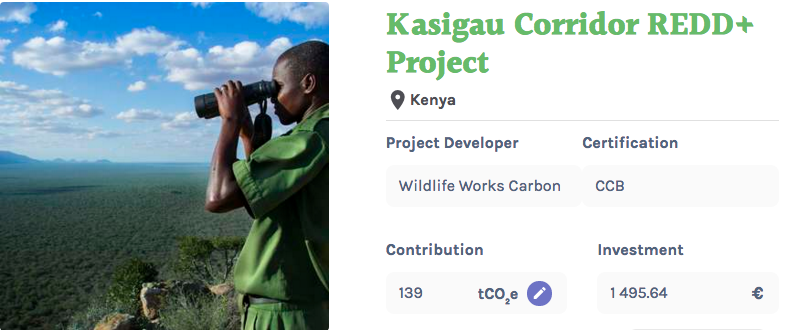
Bringing 121 students to San Francisco, for one week, in October 2019, Jean-Baptiste Say Institute, will contribute to the Kasigau Corridor REDD+ Project in Kenya.
What is this project about ?
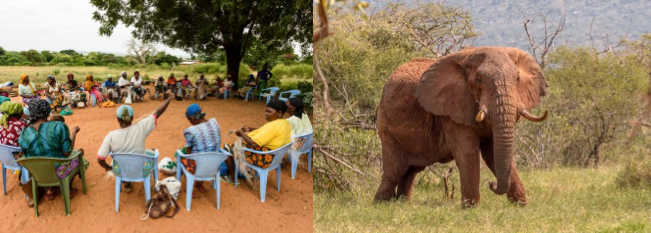
This project addresses drivers of deforestation in a wildlife sanctuary in Kenya, protecting 200,000 hectares of forest and establishing a safe haven for thousands of elephants and more than 300 species of other wildlife. The three key pillars of the project are forest protection, community empowerment and wildlife conservation.
"ESCP chose to support this project because it addresses 3 dimensions : protection, community empowerment and wildlife conservation", explains Sylvain Bureau, Scientific Director of the Jean-Baptiste Say Institute.
The Kasigau Corridor project protects over 200,000 ha of highly threatened dryland forest, which is owned by 4,500 community members. Approximately 120,000 people live in the local area, which is home to over 50 species of large mammals, 300 species of birds, and populations of IUCN Red List species such as cheetahs, lions, and over 2,000 African elephants.
This process lead by Laetitia Langlois, Sustainability Transition Project Manager at ESCP and Yohann Marsollier, Coordinator for the Jean-Baptiste Say Institute, will be extended to other learning expeditions such as the last one when the IoT Chair took 33 students to Copenhagen about one month ago. Its Scientific Director, Professor Sandrine Macé, decided to contribute to the Kasigau Corridor project.
Campuses

Join us on April 16 at 6:30pm (CEST) and apply to participate in this free online info session now!
Give a boost to your career with the #14 Executive MBA in the world! Join the only business school with 6 campuses in Europe and start to develop your executive network with more than 50.000 alumni worldwide.
What you can expect from the info session:
✔ A comprehensive presentation by the programme manager
✔ Information about the Early Bird discount
✔ Useful tips for your application
✔ The opportunity to ask your individual questions to us
Be an early bird!
If you are interested in the Executive MBA at ESCP Business School, apply before 20 April 2020 and SAVE €10,000 off tuition fees.
Contact:
Christoff Kotzé
Programme Manager | Executive MBA | ESCP Berlin Campus
Tel: +49 30 32 007 199
ckotze@escp.eu
Location
Organiser: ESCP Berlin
Online - Event
MapDate
Start date: 16/04/2020
Start time: 6:30 PM
End time: 7:30 PM