
ESCP Business School is proud to announce the launch of its new MSc in Economics & Policy for Business (MEP)
Taught between the School’s London and Paris campuses, this new 15-month MSc programme offers graduates a dual UK–French degree, combining the academic excellence of two major European business hubs.
Rooted in ESCP’s multi-campus model and multidisciplinary approach, the MSc in Economics & Policy for Business is set to train the next generation of professionals who can translate economic insights into real-world strategies in both the business and public sectors.
The programme responds to a growing demand for experts who can bridge the gap between economic theory and business practice, particularly in fields such as international trade, digital and AI regulation, sustainability, and geopolitics.
ESCP has always championed a distinctly European approach to management education, and this new programme reflects that mission. Anchored in our Bold & United strategy and the future School of Governance, it is taught across our London and Paris campuses and guided by leading European legal and policy expertise, giving students practical international experience at the heart of two major economic centres.
 Marie Taillard
Dean of ESCP Business School London Campus
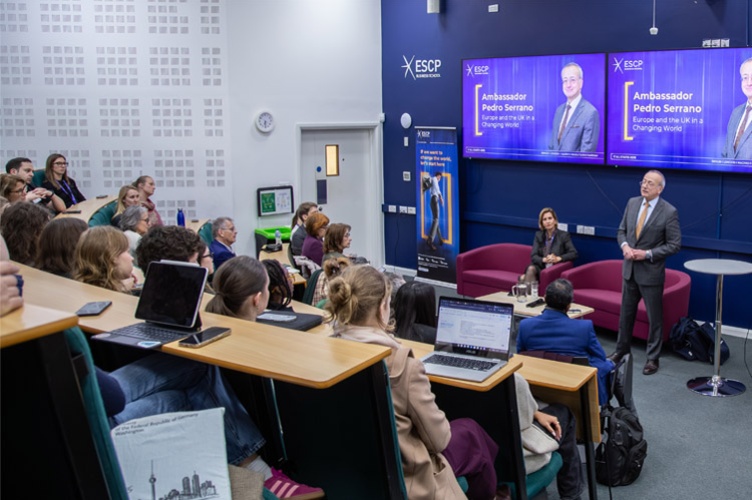
To mark its foundation, ESCP formally presented the MSc in Economics & Policy for Business at a recent London Campus event featuring Pedro Serrano, EU Ambassador to the UK, 'Europe and the UK in a Changing World', reinforcing the programme’s relevance and positioning it within a real-world European policy context.
Following ESCP's Bold & United strategic plan, this programme will be part of the future School of Governance, which is set to launch in 2029 as ESCP expands to become the first European University of Management.
Programme Focus
The programme addresses a growing global need for professionals who can effectively interpret and apply economic data to guide regulatory, strategic, and policy decisions. Students learn to navigate fast-changing regulatory environments, consult organisations on global policy changes, and support decision-making in heavily regulated industries.
They will develop expertise in areas such as international trade, monetary policy, digital and AI regulation, sustainability, and geopolitics.
This programme integrates rigorous economic analysis with the strategic realities faced by companies, governments, and regulators, while the multi-campus model offers students deep exposure to European economic and policy environments, enriched by strong networking and cultural exchange opportunities. It prepares students to understand and influence the economic decisions that increasingly shape organisations across borders.
 Irina von Wiese
Academic Director of the MSc in Economics & Policy for Business
The programme also benefits from ESCP’s cutting-edge research in economics, including trade and industrial economics, and is closely aligned with the activities of ESCP's Geopolitics Research Institute, engaging students with the latest thinking and empirical insights shaping the economic and policy landscape in Europe and beyond.
Applied Curriculum
The MEP combines advanced courses in economics and policy with practical training in consulting and business. Students will gain a dual perspective on European and global economic governance, studying modules like:
- London Campus: International trade and regulation, sustainability management, stakeholder management, industrial economics, and digital & AI policy.
- Paris Campus: Monetary policy, data-driven economics, business law and governance, geopolitics and risk analysis, consulting practice, and environmental and development economics.
In addition, students will undertake:
- a Company Consultancy Project in partnership with leading companies;
- a mandatory 16-week internship to gain direct industry exposure;
- and a Master thesis connecting research with real-world policy and business challenges.
Career Outcomes
In today's environment, where policy increasingly influences business strategy, employers actively seek to hire talent who understand both the language of markets and the logic of regulation.
Graduates will be well-positioned for roles such as Economist, Policy Analyst, Regulatory Economist, or Strategy Consultant across a variety of sectors where economics, public policy, and business strategy intersect. They will develop a strong understanding of how economic policy influences business decisions across various industries, including finance, energy, technology, and sustainability.
Typical employers include consulting firms, government and regulatory bodies, international organisations, and industry associations seeking experts in economic policy analysis, regulation, and strategic advisory.
With its dual-campus structure, interdisciplinary design, and applied learning approach, the MSc in Economics and Policy for Business is set to empower the next generation of leaders to drive economic change and influence business strategy on a global scale.
- Learn more about the MSc in Economics & Policy for Business
- Learn more about ESCP's Geopolitics Institute
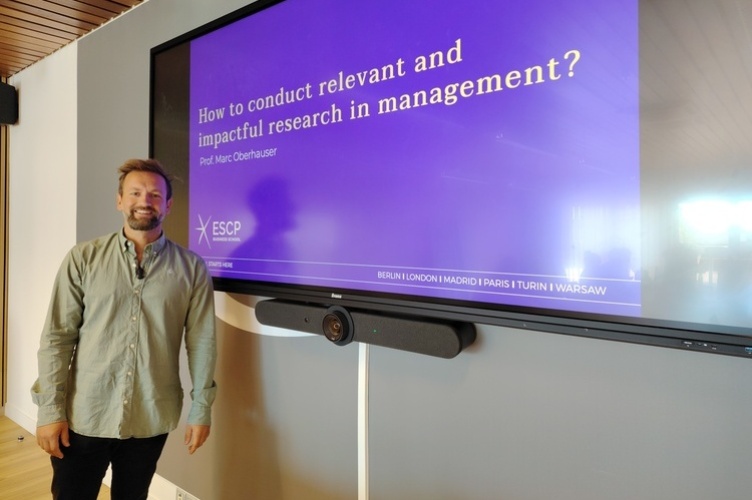
From value chains to geopolitics, his research traces how responsibility moves through complex systems rather than single firms.
In Marc Oberhauser’s research, familiar elements of global business, such as supply chains, multinationals, and sustainability, become the starting point for a larger inquiry. He asks what happens to responsibility when harm is produced not by one firm, but by the structure of the system itself.
Marc Oberhauser, an Associate Professor of International Business at ESCP Business School in Madrid, explains that this perspective now connects two strands of his work. “I’m building a second pillar of research that looks more directly at geopolitics, sanctions, and corporate power,” he says. In his view, responsibility in global value chains cannot be understood without also considering the political pressures shaping how firms operate today.
Beyond the corporation
According to Marc, International Business as a discipline largely remains company-centric: “We know a lot about managers, CEOs, and corporate strategies. What interests me more are the actors around them, such as civil society organisations, local communities, and governments, and how their interactions shape what global business becomes.”
His research seeks to understand how responsibility is negotiated across vast networks of actors, not contained within a single firm. His studies of human rights and sustainability in global value chains reveal how easily good intentions dissipate once they travel through the intricate circuitry of subcontractors, suppliers, and intermediaries.
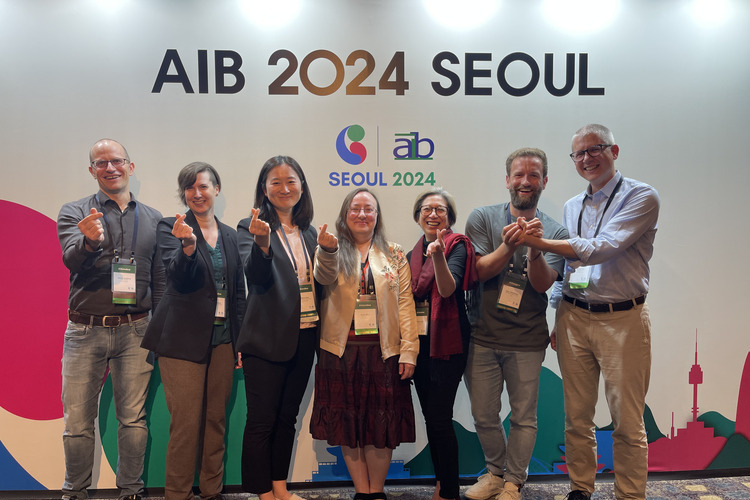 Marc Oberhauser with colleagues from the AIB Sustainability SIG at the 2024 Academy of International Business conference in Seoul, South Korea.
In interviews with civil society organisations across Africa, Asia and Latin America, he found that collaboration on the ground often bears little resemblance to the glossy agreements announced at corporate headquarters. “When a multinational and a global NGO sign a partnership, we imagine something is happening. Unfortunately, very often, it doesn’t reach those most affected, that is, the people whose rights are actually at stake.”
Real accountability, he argues, depends on transnational networks linking global, national, and local civil society groups. “You can’t rely on one level alone. Local organisations may distrust corporations; global NGOs may be too far removed. It’s when they work together that information starts to flow back to the company, and change becomes possible.”
Opacity and its discontents
The word that keeps returning in Marc’s research is opacity. Global value chains, he says, were designed for efficiency and cost optimisation, not transparency. The result is a system in which even the most responsible companies often have no clear view of what happens at the far end of their supply networks. “We heard repeatedly that firms don’t even know when their suppliers subcontract to others. Even companies with the best intentions simply don’t know.”
One example he admires is Tony’s Chocolonely, a Dutch chocolate company founded to combat child labour in the cocoa industry. “They say it’s not bad if we find child labour, it’s bad if we don’t,” Marc explains. “They reward suppliers for identifying problems because that’s the only way to address them. They also work closely with local partners on the ground. That’s what many multinationals can’t do anymore because their chains are too large, too fragmented.”
The problem, he adds, is not just moral but structural. Globalisation’s architecture itself was built with different aims. “Human-rights issues in value chains are unintended consequences of how we designed them. You can’t simply retrofit ethics into a system engineered for extraction.”
During our conversation, I catch myself noticing how easily we default to top-down stories, where responsibility rests with a single leader or a single company. Marc disagrees with the simplicity of that view. “That’s common in research and politics,” he tells me. “But real systems are more tangled. You need to see all the actors involved, and the contradictions too.”
Responsibility without illusion
A recurring feature of Marc’s work is that it avoids the usual binaries; he is neither cynical about global systems nor naïve about their constraints. He sees the value in individual ethics: he is vegetarian, but he notes with a laugh that he is realistic about his limits. He notes that individual choices still matter, but only up to a point. The contrast is stark: recent estimates suggest that Elon Musk’s private jets alone emit around 5,500 tonnes of CO₂ a year, more than eight centuries’ worth of emissions for the average person globally. “It puts our individual efforts into perspective and shows why systemic change is imperative.”
For him, change happens through coalitions. Civil society groups, he points out, have their own interests too. “We frame them positively, but of course they have agendas. You have to keep that dialectic in mind.” Still, he finds reasons for hope: “You don’t need half of society to change things. Ten per cent is often enough to reach a tipping point.” There’s a quiet pragmatism in that idea. Responsibility isn’t a moral destination but a process of coordination, between firms, citizens, and institutions, that can slowly rewire how systems work.
From ethics to geopolitics
In his newer research, Marc scales that question up: what happens when multinational corporations themselves become geopolitical actors? “We call it quasi-sovereign corporate power,” he explains, referring to a concept he developed with his doctoral student Ziqiao Wang. “Companies like SpaceX or TSMC are no longer just businesses; they make decisions with geopolitical consequences.”
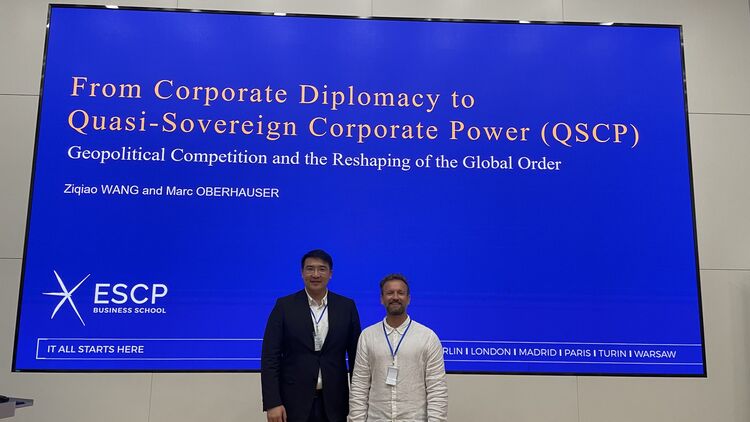 Marc Oberhauser and Ziqiao Wang presenting their work on quasi-sovereign corporate power at the World Business Ethics Forum in Macau.
When SpaceX provides satellite services to Ukraine, it effectively becomes part of the conflict. When TSMC, the world’s key chip manufacturer, anchors its production in Taiwan, it acts as a “silicon shield”, shaping the island’s strategic significance. “These companies and their CEOs are operating in spaces that used to belong to states. It’s a fundamental shift in where political power sits.”
This marks his second research pillar: how multinational enterprises navigate and sometimes create geopolitical tensions. One current project examines how firms respond to sanction regimes and policy fragmentation, showing that corporate strategy is now inseparable from global governance.
Europe at a crossroads
Nowhere is this tension more visible than in Europe. In his recent scenario work, Marc and his co-authors outline four possible futures for European multinationals, shaped by both global and intra-European dynamics: fractured regionalisation, fractured globalisation, reinforced globalisation, and reinforced regionalisation. ”
He sees the most likely outcome as fragmentation on both fronts, that is, within the EU and across the global system. “Politicians don’t manage to speak with one voice,” he says. “If Europe could get beyond that, it could become the third major power next to the US and China, stronger even in purchasing power. The problem is unity.”
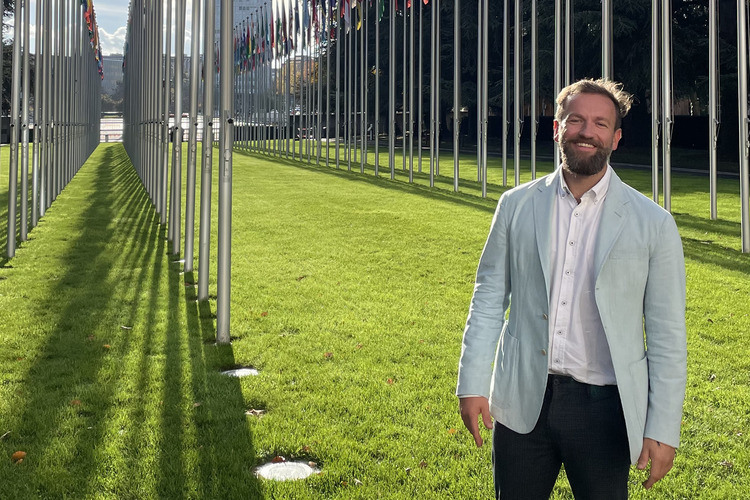 Marc Oberhauser at the United Nations Forum on Business and Human Rights in Geneva, where global stakeholders discuss accountability across international value chains.
 Marc is cautious about nostalgia for the old model of globalisation. What concerns him more is the mismatch between the short-term rhythms of democratic politics and the long-term commitments sustainability requires. It is a structural tension, he believes, and one that shapes how far collective responsibility can realistically go.
Responsibility in an age of power
Even though Marc’s work moves between disciplines, from business ethics, to international management, to political science, its through-line is remarkably consistent. It’s about how power circulates through systems, and how legitimacy is built when no single actor is in control. From companies apologising for misconduct to civil society networks uncovering hidden abuses, from cocoa farmers in Ghana to semiconductor giants in Taiwan, he traces the shifting boundaries between moral intention and political reality.
Marc often describes his approach as “lifting the view away from the corporate”, widening the frame to include the network of actors that shape responsibility. As we finish our conversation, I mention how difficult it can feel to imagine large-scale change in such a fragmented world. He acknowledges the challenge, but stays steady: meaningful shifts, he suggests, rarely begin with a majority. What matters is how actors coordinate across different parts of the system.
For him, the sense that progress depends less on sweeping transformation and more on how different groups, even small ones, align their efforts underpins the way he thinks about responsibility in global systems.
This article is based on a conversation between Marc Oberhauser and Kristina Vlasova held in November 2025.

Why global supply chains need adaptive, local governance to improve human rights
Campuses
Episode 2
From the series "Standing together: ESCP community united against gender-based and sexual violence"
A conference designed to inform and raise awareness within the ESCP community
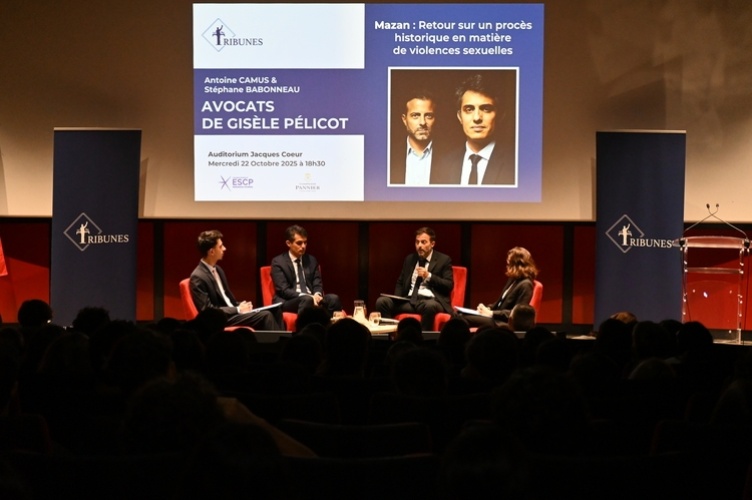
On 22 October 2025, Tribunes—ESCP’s student association dedicated to public debate—invited Maître Stéphane Babonneau and Maître Antoine Camus, the lawyers representing Gisèle Pélicot in a landmark sexual assault case, for a conference exploring its legal, human, and societal implications.
A conversation between Aurélie Dumond, Federal Head of Inclusion & Diversity at ESCP and Ariane Bailet and Antonin Rousseau, ESCP students and members of the student society Tribunes.
Aurélie: Why did you decide to invite attorneys Babonneau and Camus?
We chose to invite Maître Babonneau and Maître Camus for several reasons. First, because they played a central role in a complex and highly publicised trial, one that sheds light on a justice system that is often misunderstood and raises essential questions around consent. Their presence also allowed us to offer students a more human perspective on the work of lawyers—a profession often seen through the lens of the media, without really knowing the reality of their daily work, how they inhabit a case from the inside, or the deep relationship they develop with their clients.
We also wanted to be “at the heart of the debate,” in the literal sense of the Tribunes slogan, by placing ourselves within immediate current events: our conference took place only about ten days after the decision was handed down on appeal. The end of the judicial process was the perfect moment to revisit this exceptional case and offer an informed analysis within ESCP.
Finally, we aimed to make Tribunes a space for diverse reflection, not limited to political figures. As students aware of gender-based and sexual violence, we wanted to organise an event by and for students, to show that we are addressing these issues and feel responsible for contributing to the discussion. Welcoming Camus and Babonneau was also an opportunity to question them about their profession and better understand the French judicial system.
Aurélie: How did you prepare for the conference?
We followed a methodical and thorough preparation process. We began with a research and familiarisation phase that was essential to fully grasp the Pélicot case: understanding the facts—sometimes difficult and emotionally challenging to read—but necessary to appreciate the seriousness of the case. We also immersed ourselves in the background and public statements of our guests by watching numerous interviews and observing how they addressed legal questions. This helped us identify the key issues of the trial, whether related to procedure, closed hearings, the appeal, the role of judges and jurors, or developments in sexual violence law.
Once this solid foundation was established, each of us wrote around ten questions before pooling our proposals to build a coherent and relevant structure for the interview. Finally, as the conference approached, we refined the last details and practiced together to ensure a smooth, confident, and well-structured presentation.
Aurélie: What angle and types of questions did you prioritise?
Ariane:
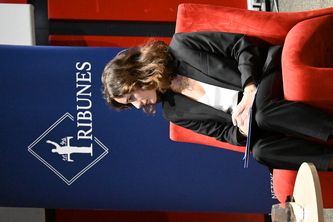
We wanted to take a legal angle and make the most of having professionals in front of us. How does a lawyer come to represent Ms Pélicot? How does a trial unfold? What does lifting a closed hearing entail? How should we approach the notion of consent? What impact will this trial have on them and their careers? We were intent on doing things properly: respecting the case without falling into sensationalism, addressing heavy topics without causing harm.
Aurélie: What do you take away from the lawyers’ interventions?
Antonin:The great precision of the words they choose. Ariane: I was very moved by the trust they place in the justice system. They acknowledge its dysfunctions but remain convinced that only justice can provide solutions.
A student community committed to equality and the prevention of violence
Aurélie: How are younger generations engaging with the fight against gender-based and sexual violence?
Antonin: We grew up—and continue to grow up—in a context where speaking out is becoming more common, where social media makes these issues visible, and where the importance of consent, respect, and equality is increasingly understood.
Young people are taking ownership of these issues because they talk about them with one another, they seek information, they react when they witness injustice, and they no longer hesitate to take a stand. What used to be normalised is no longer tolerated.
There is still progress to be made, but clearly, our generation is more attentive, more aware, and more engaged in these matters.
Ariane:
There is a much earlier and more widespread awareness of this societal issue. This is due to the media coverage of cases, the growing number of opportunities to educate young people, and, more broadly, an ongoing struggle for equality between all individuals.
Today, anyone can denounce an injustice, give their opinion on an event, and defend their ideas.
The #MeToo movement is clear evidence of this shift toward widespread empowerment and expression.
Aurélie: What role can we play individually and collectively?
Antonin:
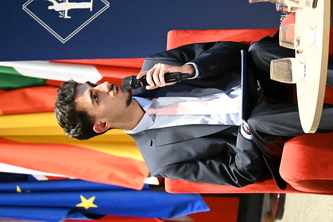
I believe we all have a role to play. Individually, we can act by staying informed, adopting respectful behaviours, and speaking up when we witness problematic situations.
Collectively, the goal is to create spaces for awareness, dialogue, and prevention, in order to build a culture of respect, consent, and equality. Everyone can contribute, at their own level, to changing mindsets.
Ariane: On a personal level, my commitment manifests through staying informed and being attentive to others.
Information first: I believe it is essential to stay updated on ongoing cases, existing debates, and to take the time to understand and analyse them. We cannot remain in ignorance, assuming that others will understand better or on our behalf.
Attention to others second: for me, this means having an attitude and disposition in daily interactions aimed at ensuring that others are always respected. It involves caring for friends and family, but also being vigilant in public spaces and on public transportation, for example. It is a gentle form of commitment, a refusal to remain passive in the face of abuse.
Collectively, this conference was one of our first forms of “public” commitment, and we are very proud of it.
At ESCP, the association Aware promotes equality for all and ensures student safety during events, such as parties.
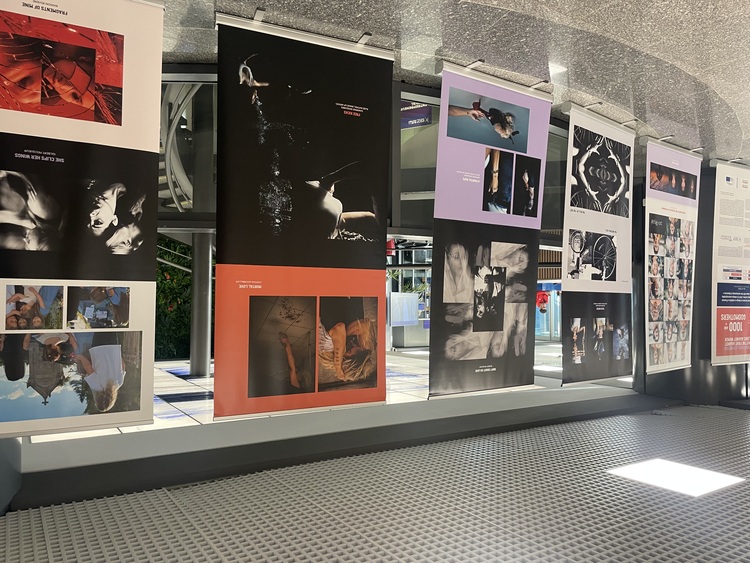
We also appreciated the travelling exhibition by the Collectif Mots et Maux de Femmes that you organised, Aurélie!
Aurélie: In line with ESCP’s humanistic European values and educational mission, the objective of the exhibition was to raise awareness and educate students about gender-based and sexual violence as well as harassment. It is essential, as these behaviours harm lives, hinder equality, and perpetuate toxic cultures.
For the past two years, Mots et Maux de Femmes has been engaging young people on campuses to address this critical issue.
ESCP is mobilising through a traveling exhibition by the Collectif Mots et Maux de Femmes. Sharing this exhibition with the ESCP community underscores the institution's strong commitment to this cause and calls for unity in ensuring that no violence against women and girls is tolerated.
The exhibition started at the ESCP campus in Paris in February, travelled to Madrid in May, to London in October, and Berlin in November. The next and last stop will be Turin.
Campuses
Related stories
News 20/11/2025
Interview
#1 Violence Against Women: Acting Where Pain Falls Silent
A conversation between Ghada Hatem (ESCP 11), founder of La Maison des Femmes in Saint-Denis (2016), and Louise Blin (Bachelor 2025 alumna and MSc in International Business & Diplomacy student)

News 22/01/2026
Interview
#3 The role of publishing in addressing gender-based and sexual violence
An interview where ESCP faculty member Isabelle Beyneix and alumna Marie-Pierre Gracedieu discuss publishing’s role in addressing gender-based violence, following the release of Mazan: An Anthropology of a Rape Trial—part of ESCP’s Standing Together series.
News 16/02/2026
Interview
#4 Art in action: sharing ESCP staff competencies and creativity in addressing gender-based and sexual violence
Sandrine Kiefer, Head of Internal Communications at ESCP, and Sabrina Saase, Health & Well-Being Manager at ESCP’s Berlin Campus, share their activism.

ESCP students share their recommendations on what to read this winter season
As winter settles in, it offers a season shaped for reflection. A time to slow down, think deeply, and reset before the rush of spring. We asked students: What book changed the way you think? What story shifted your perspective, helped you question the world, or sparked a personal reinvention?
The result is a winter reading list grounded in curiosity, introspection, and transformation. Each book has been chosen by an ESCP student, and each recommendation reflects one of the values that guide our community: accountability, boldness, and creativity.
Happy reading!
Accountable
Internal Reflection, Moral Responsibility, Understanding Self and Systems
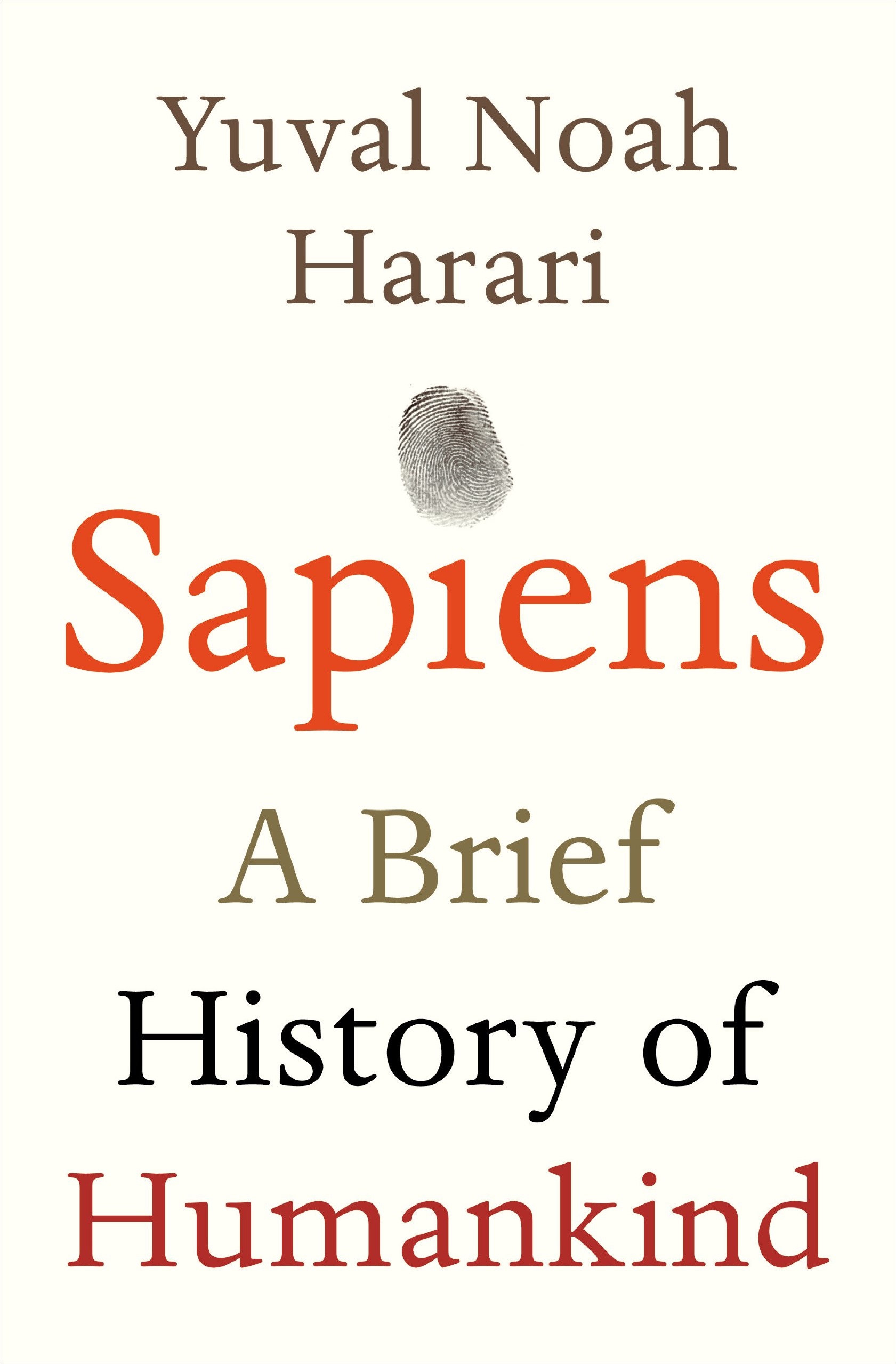
Sapiens: A Brief History of Humankind – Yuval Noah Harari
A landmark exploration of humanity’s evolution through shared myths, cooperation, and systems of belief—from money and religion to empires and algorithms.
This book explains why we are the way we are—how our society formed, how our minds work, and how powerful shared fictions have shaped everything. It’s accessible, thought-provoking, and it helped me become more aware of how systems influence our lives.
Doctoral Researcher
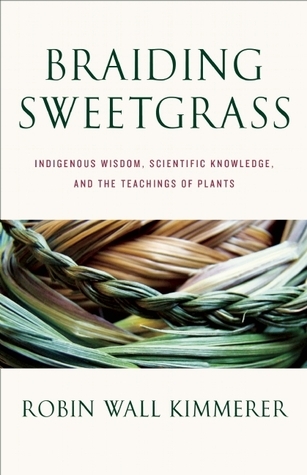
Braiding Sweetgrass: Indigenous Wisdom, Scientific Knowledge and the Teachings of Plants – Robin Wall Kimmerer
A poetic collection of essays that weaves together botany, Indigenous knowledge, and ecological ethics.
This book helped me reconnect with the Earth in a way I didn’t expect. It’s full of gentle, essential reminders about gratitude and mindfulness. The short essay format makes it easy to read slowly, reflectively. It opened my mind to how ancient wisdom and science can coexist.
BSc 2027

The Magic Mountain – Thomas Mann
A philosophical novel set in a Swiss sanatorium, reflecting on time, illness, complacency, and the intellectual climate of Europe before WWI.
It made me reflect on how easily time passes without reflection—especially in today’s distracted world. The themes are vast and complex, but they’re grounded in everyday choices. This book pushed me to think more deeply about my own habits, beliefs, and the way I spend my time.
MiM 2026
Bold
Courage to Change, Challenging the Status Quo, Defining a New Path

The Handmaid’s Tale – Margaret Atwood
A chilling vision of a near-future society where rights are stripped away and autonomy is tightly controlled.
This book made me feel anger, fear, and admiration all at once. Offred’s voice—her resistance, her quiet defiance—felt hauntingly real. It made me realise how easily rights can disappear when we stop paying attention. It changed how I think about freedom.
MiM 2027
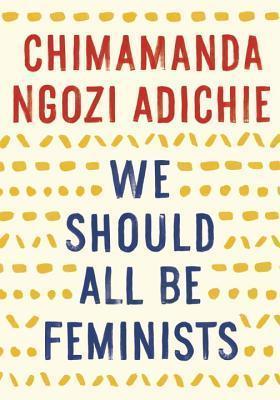
We Should All Be Feminists – Chimamanda Ngozi Adichie
A powerful, personal, and accessible call to gender equality for all.
This short book had a massive impact on me. It helped me understand feminism beyond the stereotypes, and made me reflect on how education is key to changing inequality.
BSc, 2027

La vie spectrale: Penser l’ère du métavers et des IA génératives – Éric Sadin
A philosophical critique of how AI and the metaverse are reshaping human life, attention, and identity.
This book deeply changed how I think about digital technology. Sadin shows how we are becoming ‘spectral beings’—driven more by data traces than real presence. It was unsettling and eye-opening. If you want to rethink your relationship with technology, this is essential reading.
MSc Marketing & Communication, 2026
Creative
Innovative Thinking, Reimagining Possibilities, Inspirational Vision
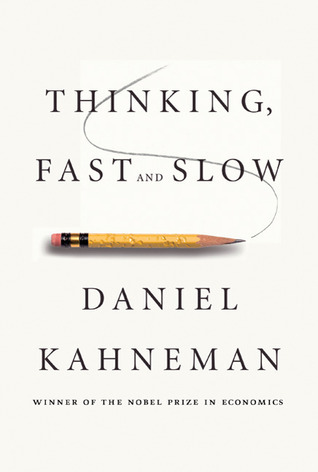
Thinking, Fast and Slow – Daniel Kahneman
A foundational book on how our minds work, how we make decisions, and how to overcome cognitive bias.
This book changed my way of thinking—literally. It helped me slow down, challenge assumptions, and become more self-aware. It’s full of examples that stick with you, and it makes you wiser with every page.
BSc 2028
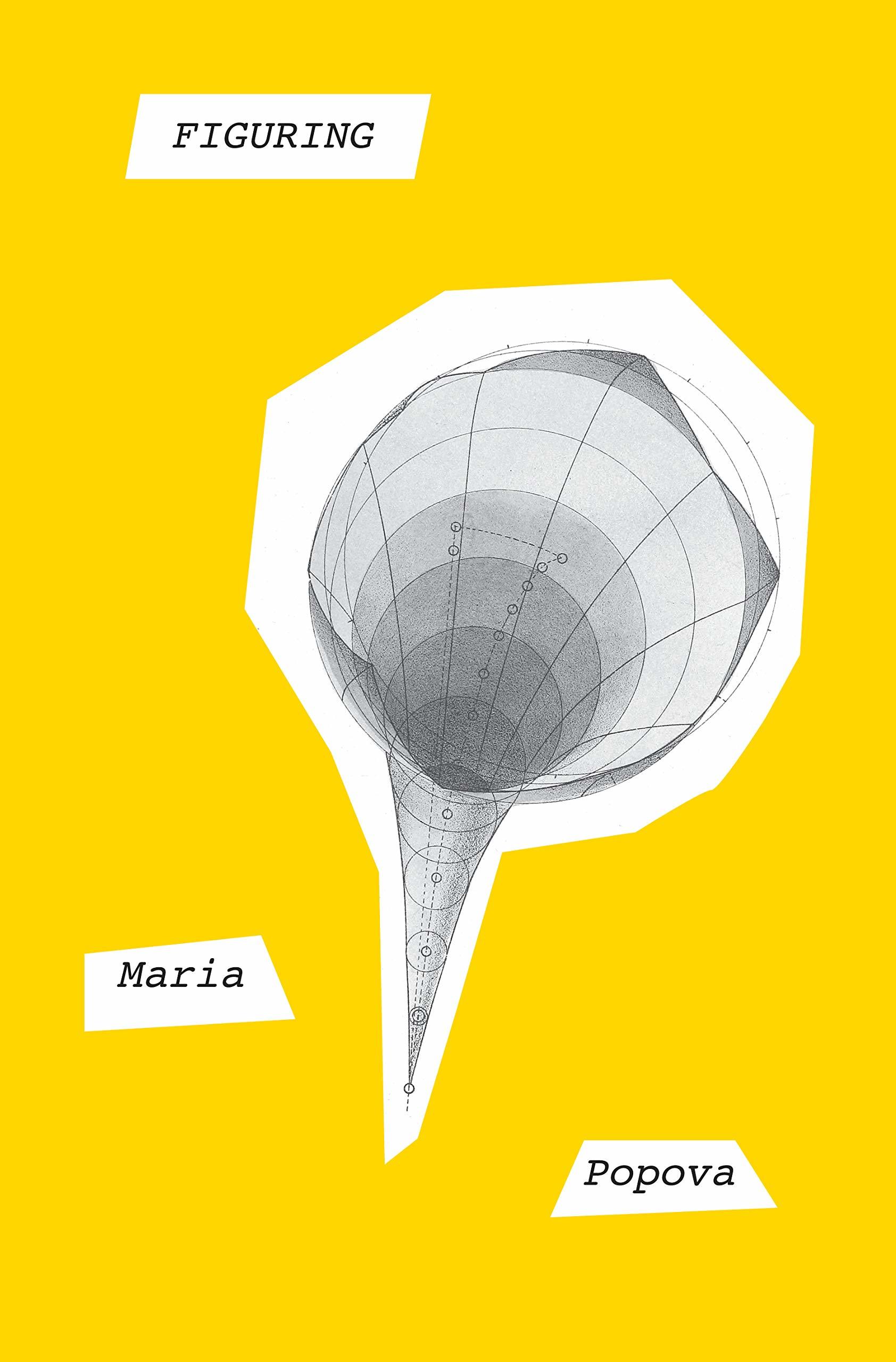
Figuring – Maria Popova
A sweeping narrative of love, truth, science, and creativity told through the lives of overlooked historical figures.
Figuring reframed everything I thought I knew about creativity and legacy. It’s not a traditional biography—it’s a tapestry. It made me reflect on how culture builds over time, often in silence, through letters, obsessions, and quiet acts of brilliance.
MiM 2027
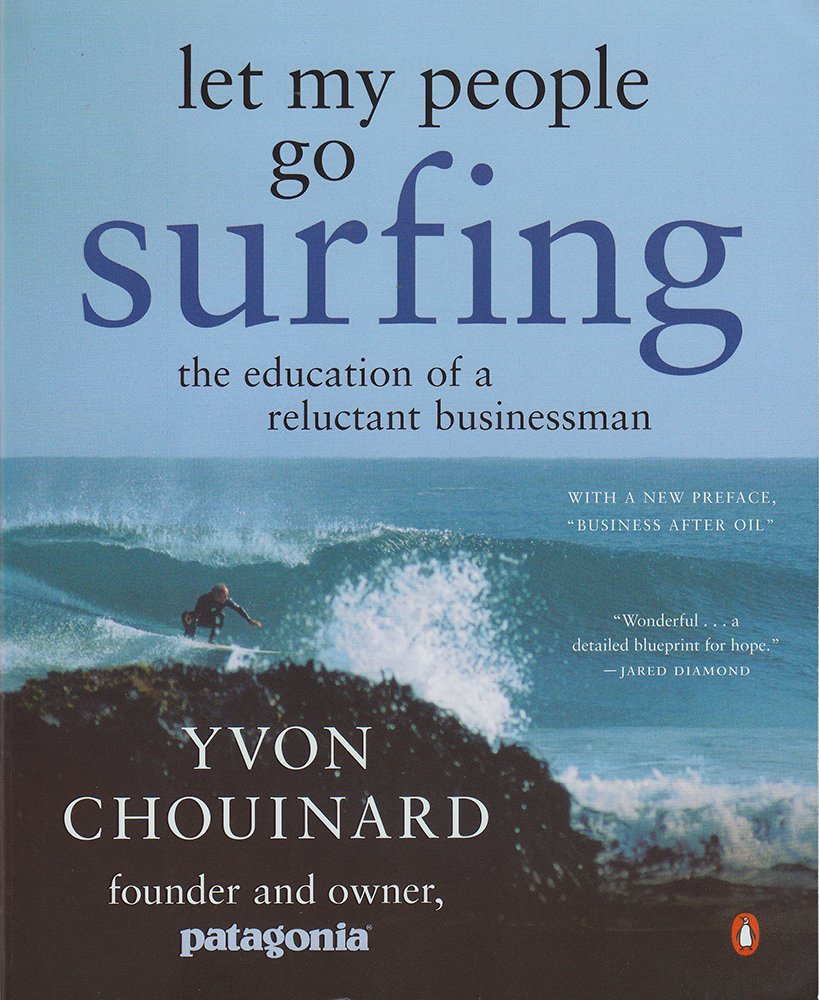
Let My People Go Surfing: The Education of a Reluctant Businessman – Yvon Chouinard
The Patagonia founder’s story of how values-driven business can redefine success and sustainability.
Through Patagonia's story, I discovered a model of capitalism rooted in responsibility, creativity, and joy. This book made me feel hopeful, hopeful that business can be ethical without being naive, and profitable without being extractive. It inspired me to imagine my own professional path not as a compromise between ambition and impact, but as a fusion of both.
MiM 2027
Campuses
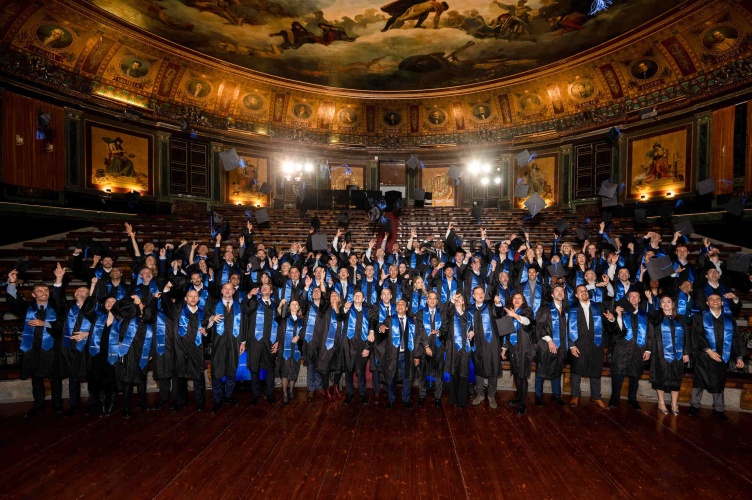
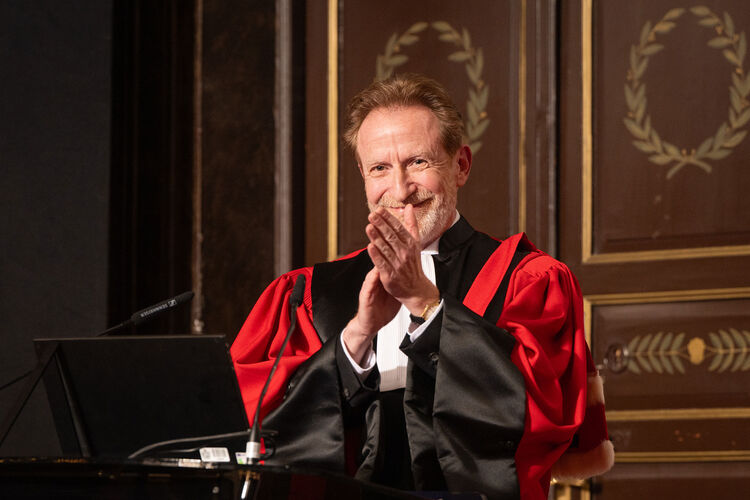
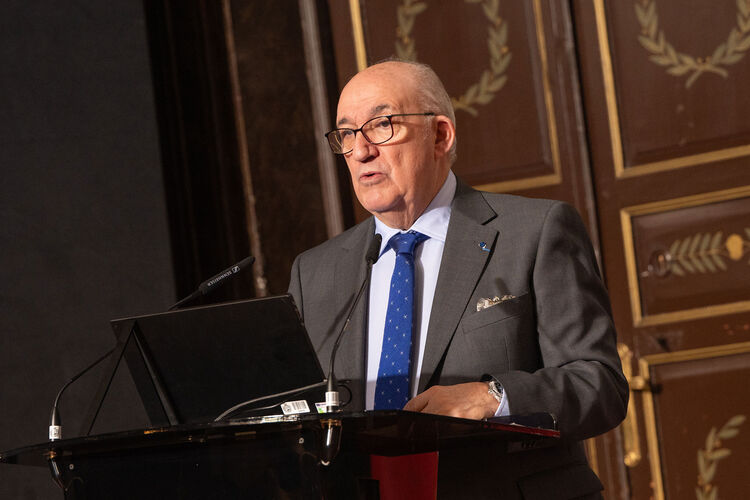
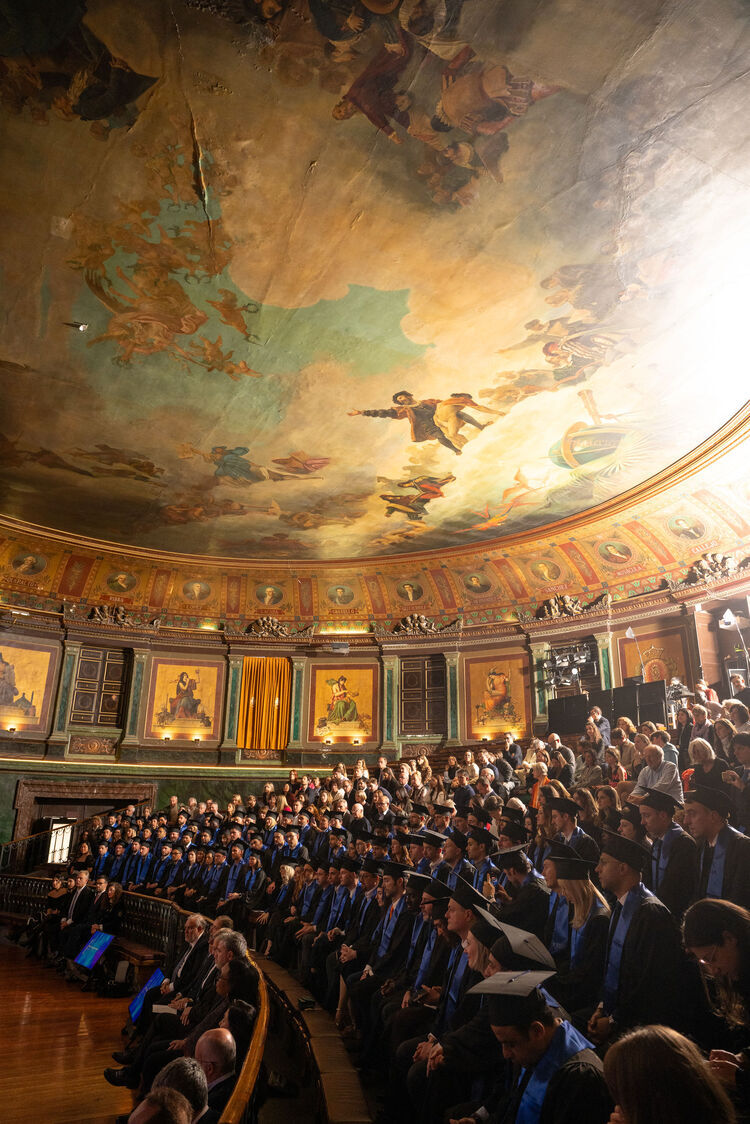
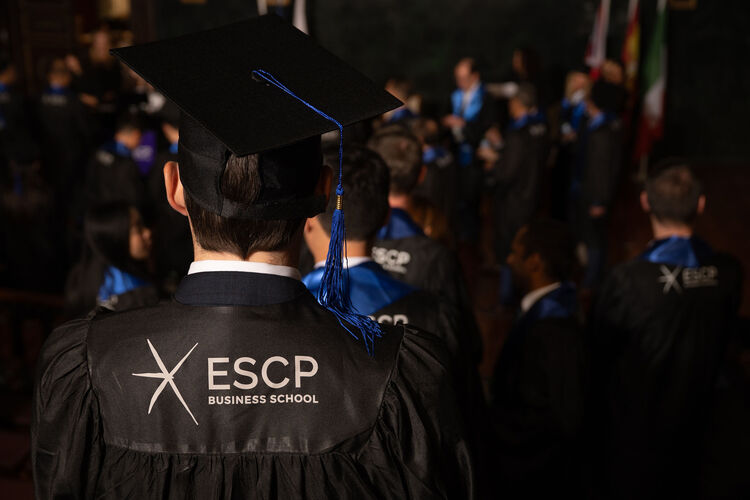
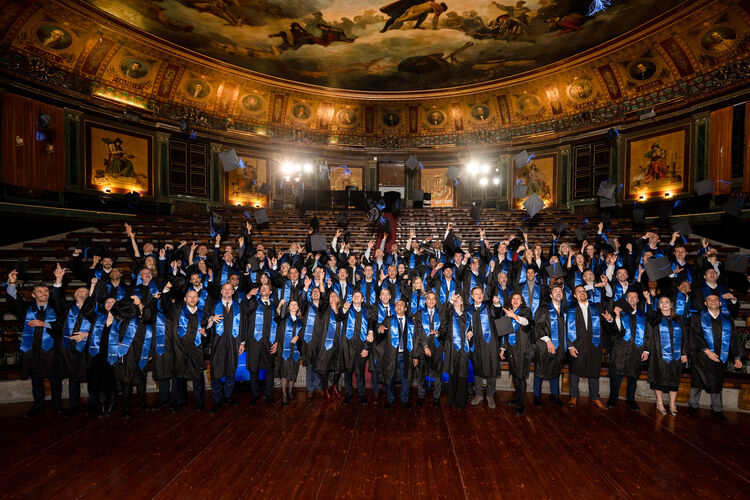
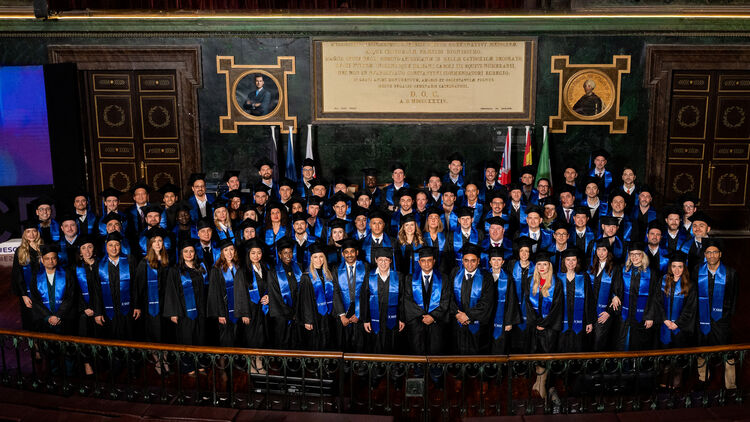
Honouring the ESCP Executive MBA Class of 2025 Graduates
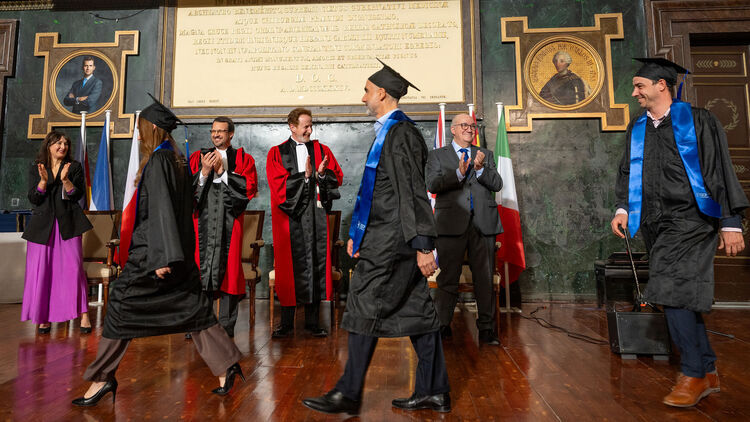
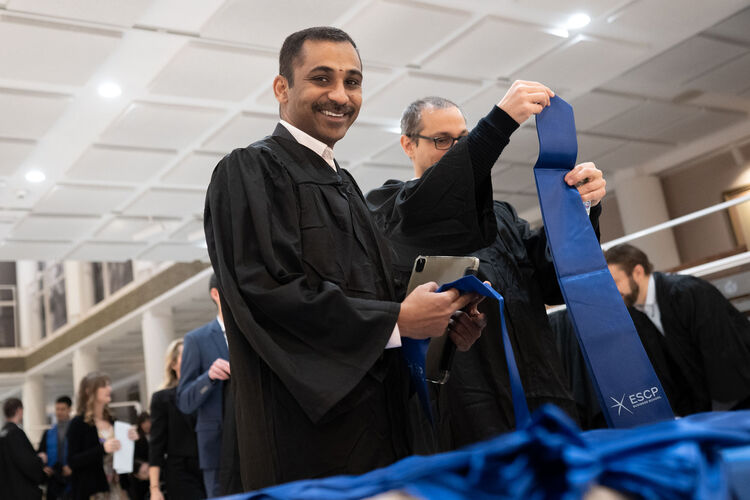
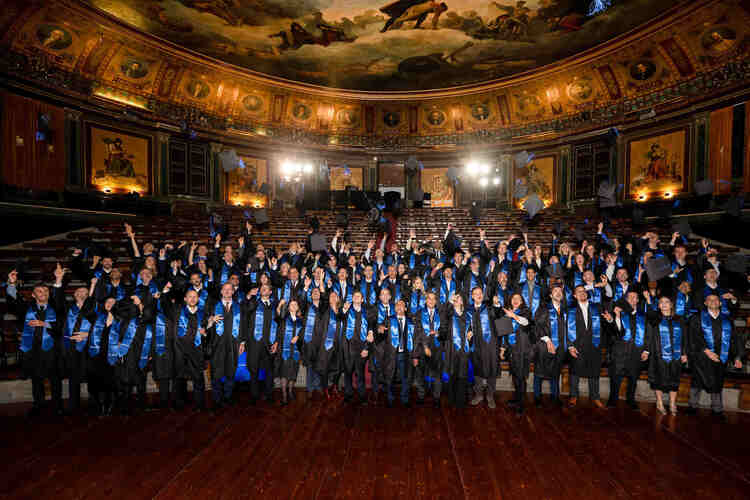
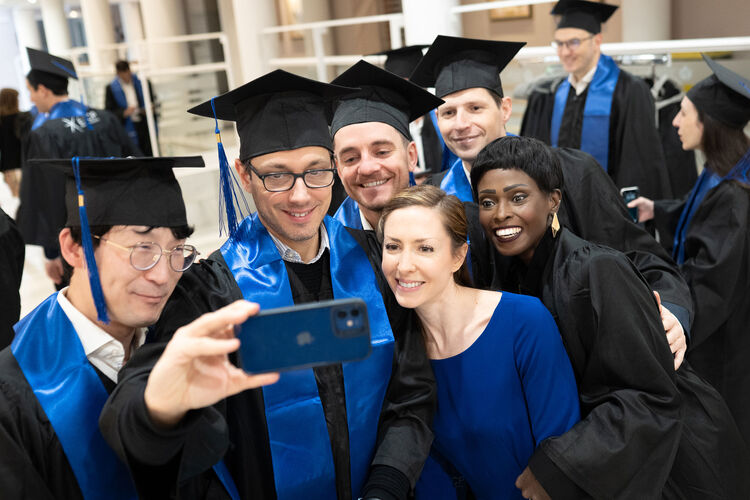
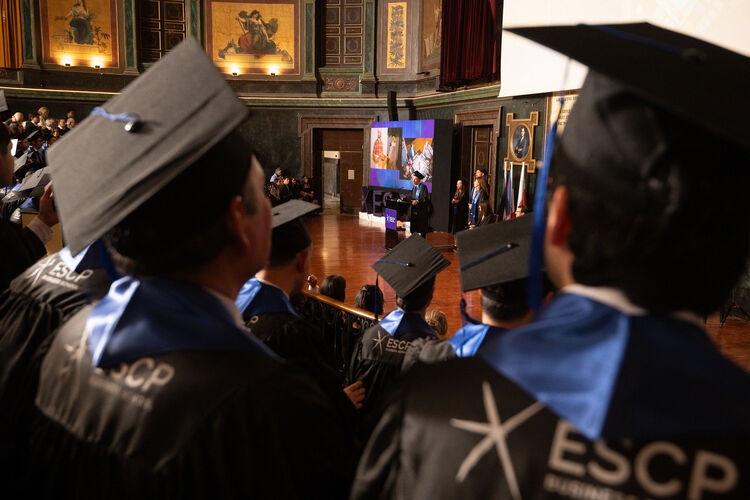
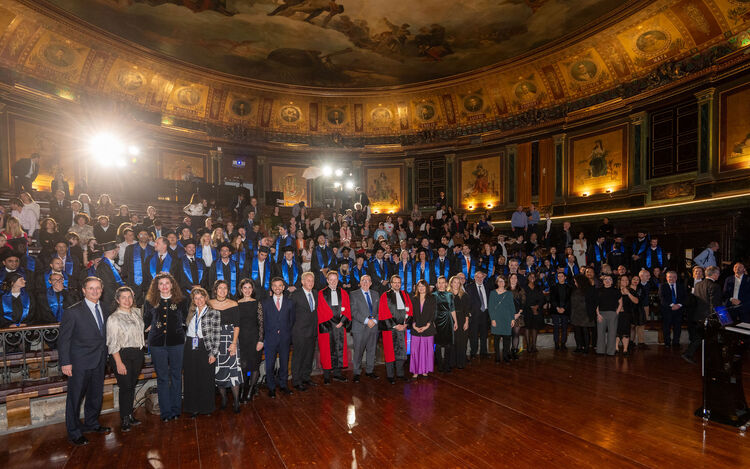
On 5 December 2025, ESCP Business School celebrated the graduation of the Executive MBA Class of 2025 at the Ilustre Colegio Oficial de Médicos in Madrid.
The ceremony honoured 97 graduates, representing 28 nationalities, marking the culmination of a transformative learning journey for a cohort of senior professionals who balanced work, study, and personal commitments across multiple countries and industries.
The journey to the stage
Throughout the EMBA programme— ranked 3rd worldwide by the Financial Times—participants refined their leadership style, broadened their strategic perspective and engaged in international projects across ESCP’s campuses and global seminar locations.
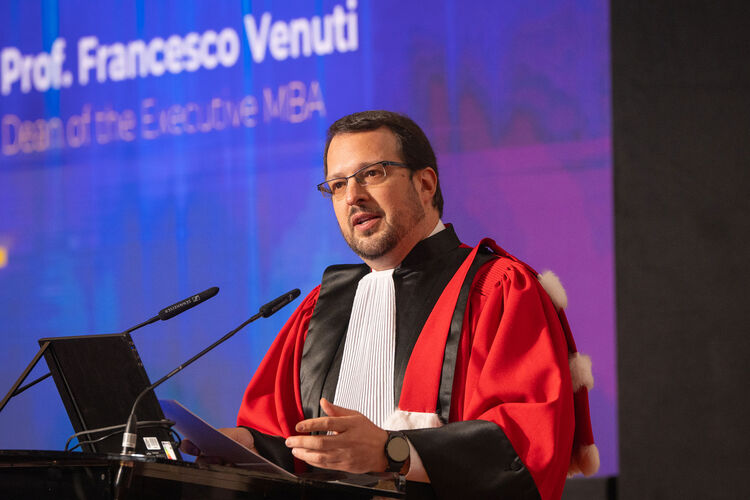
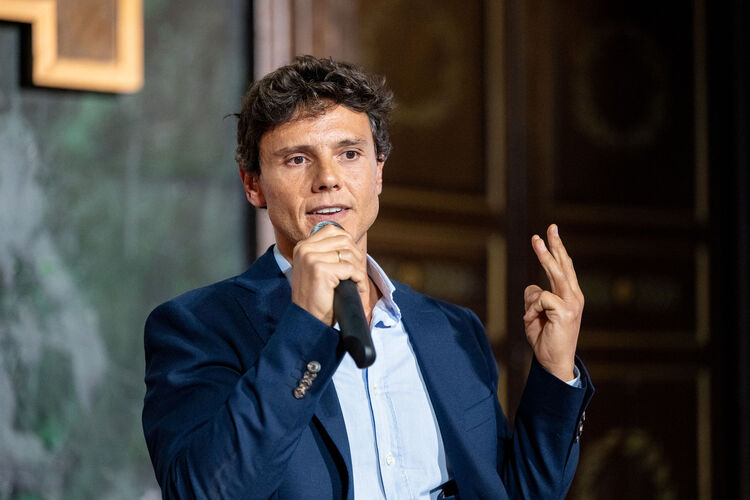
During his speech, Prof. Francesco Venuti, Dean of the programme, reflected on the transformative nature of the EMBA experience: “You travelled in space, but also in mindset. You explored functions, disciplines, beliefs — and also yourselves. And now, like Marco Polo, you return home. Back to your cities, your companies, your families, your lives. But you are no longer the same.”
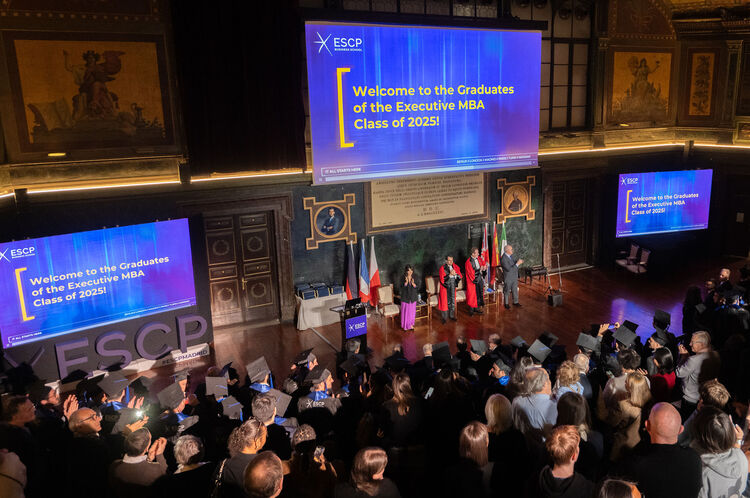
An incredible day of celebration
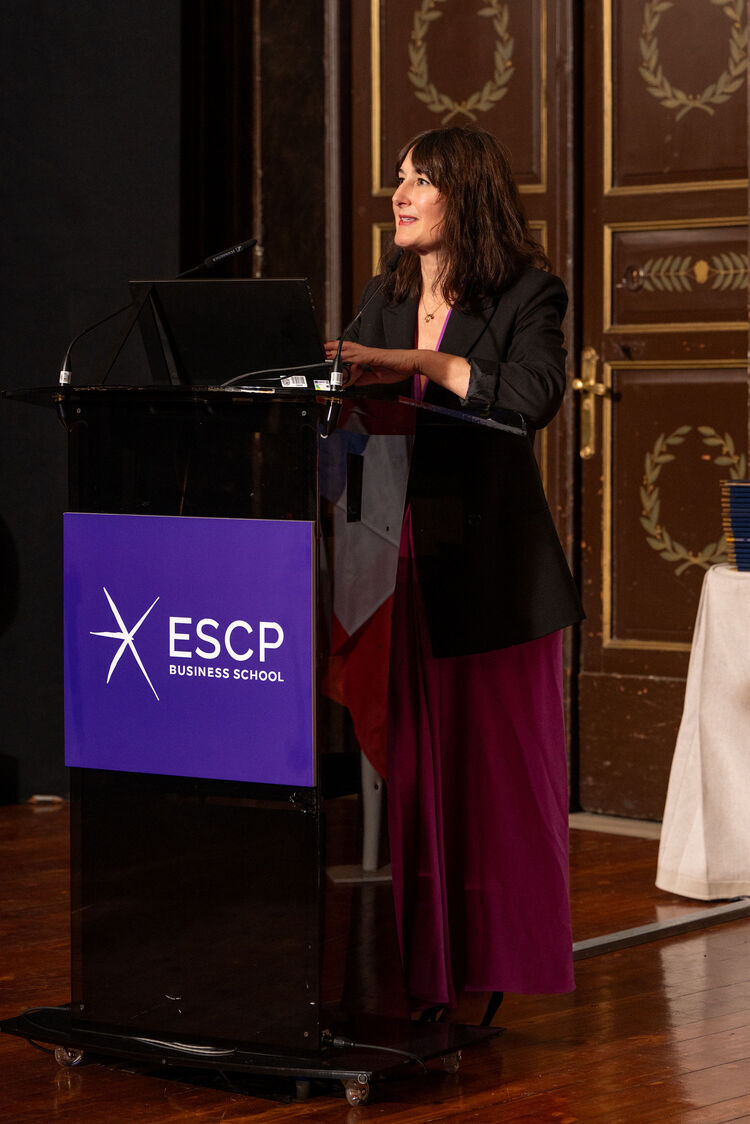
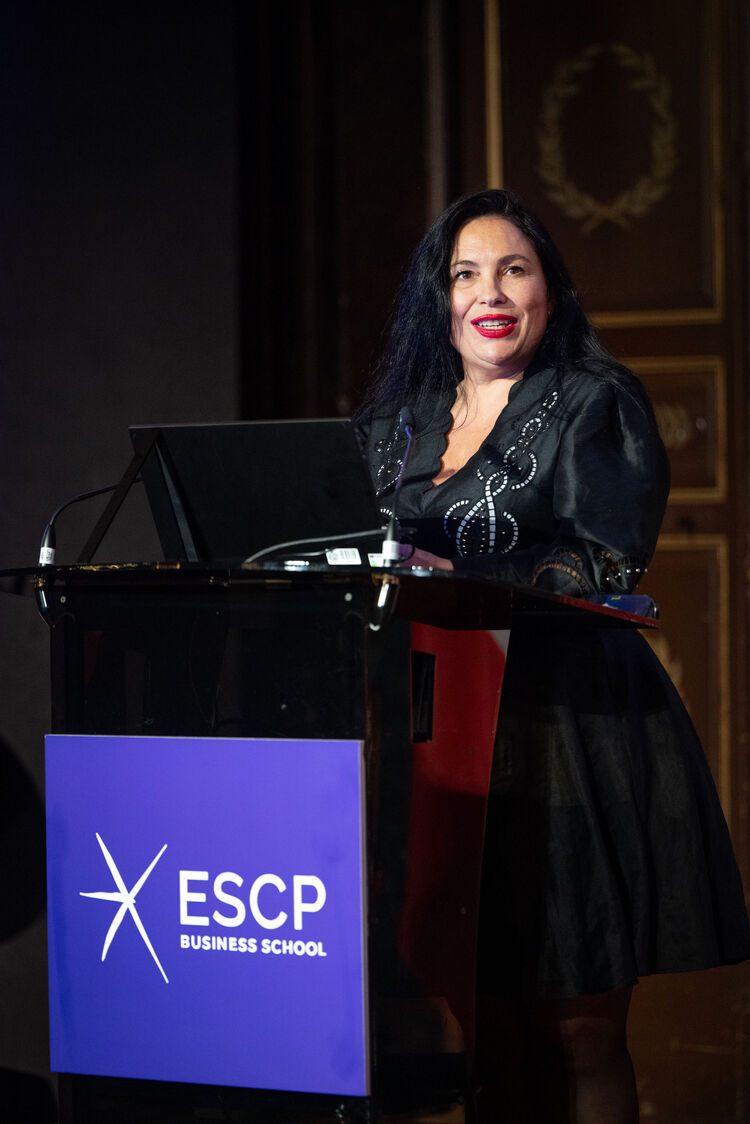
The ceremony began with opening remarks from Manon Marinière, Director of the Executive MBA, who praised the class for their ambition, energy, and the collaborative spirit they cultivated across borders and time zones.
“Your commitment has been extraordinary. You produced a monumental amount of work while managing demanding jobs and full personal lives. This energy, this drive, has been an inspiration to all of us. You can be incredibly proud of yourselves,” she shared.
Inspiring speakers congratulated the graduates and offered them inspiring words for the journey ahead, including:
- Prof. Javier Tafur, Dean of the Madrid Campus
- Domingo San Felipe Cristobal, President of Asociación ESCP Alumni
- Eva Mollat Jourdain, Executive Director of ESCP Alumni
Cisco García, professional wheelchair tennis player, motivational speaker, and author, delivered a powerful commencement speech.
Prof. Venuti also shared touching words of wisdom: “You owe yourself a life that you love. And never stop loving the people around you, your teams, your work, your journey. Amor vincit omnia — love conquers all. And we all know how much our world needs more love — in leadership, in business, in politics, in life.”
Honouring student excellence
Local EMBA Academic Directors Prof. Stefan Schmid (Berlin), Prof. Peter Stephenson-Wright (London), and Prof. Carlos Casanueva (Madrid) also joined the ceremony to present the Academic Excellence Awards to:
- Anita Borowiec
- Julien Goudon
- Stephan Jeznita
- Massimo Schiavo
The cohort’s class representatives— Anita Borowiec, Angeles Concepcion Hernandez Acosta, Bertrand Galas, and Fabio Simonetta—also took the stage to share their reflections and address their peers.
Powerful reflections from our graduates
Looking back at the EMBA experience, I realise how much it changed me. Meeting people from around the world, learning from their experiences and building a community with a bond that will last for years to come have all been cornerstones of my transformation.
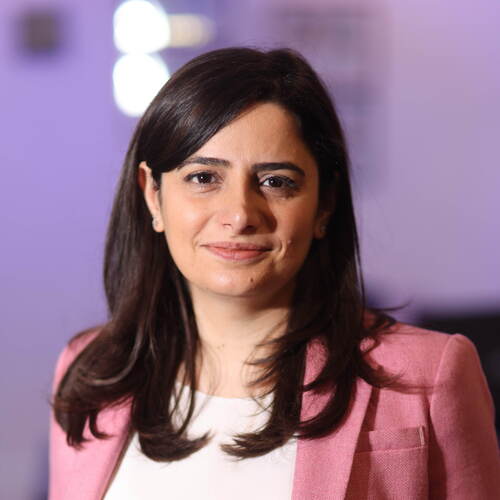 Rana El Bikai
One of the most transformative lessons I’m taking with me from the programme is a clearer understanding of the kind of leader I want to be and the values that matter most to me. Walking across the stage, coincidentally on my birthday, symbolised not only the culmination of two years of effort and hard work, but also a celebration of who I had become through the journey.
 Anita Borowiec
Doing a great job can take you far, but not always forward. The ESCP EMBA opened my perspective, strengthened my leadership and connected me with people who keep me true to who I am. Graduation is simply the first page of the next chapter.
 Angeles Concepcion Hernandez Acosta
ESCP EMBA has been the opportunity to finally embrace the entrepreneurial path I had been dreaming of for many years. Walking across the stage during the graduation ceremony was a vibrant reminder that we’re capable of much more reinvention than we think. To my fellow graduates: let’s treat this diploma not as a medal, but as a mandate to take bolder, more responsible decisions in the years ahead. We owe this to us, to our school, and to our community.
 Bertrand Galas
The most powerful gift the EMBA has given me is the awareness that I already have within me everything I need to face any challenges on my path. Walking across the stage at the graduation ceremony, I seal the promise we made as a cohort: to always hold on to our humanity and our authenticity.
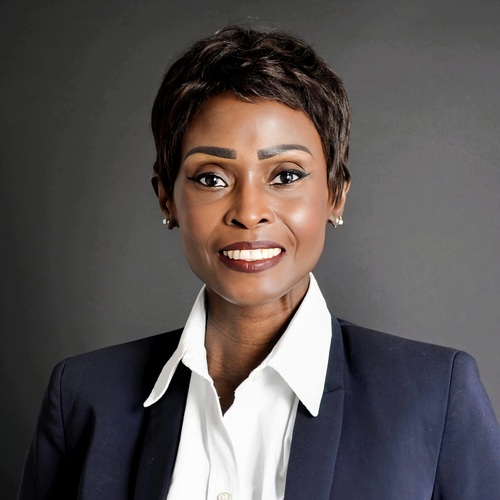 Harane Keita-Gateiller
A new chapter begins
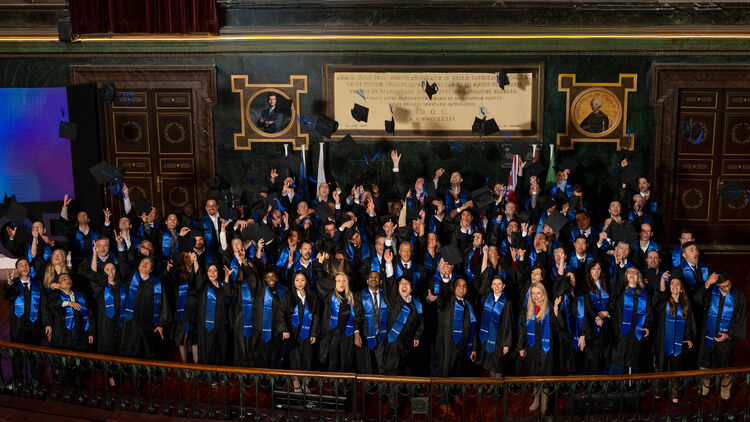
As they return to their companies, ventures, and communities, the Class of 2025 graduates carry with them not only new knowledge and skills but a renewed sense of purpose, curiosity, and courage.
Now part of an 85,000-strong alumni network representing over 130 nationalities, they will continue to lead with impact in an ever-changing global environment.
We congratulate every graduate of the Executive MBA Class of 2025 and look forward to seeing the positive mark they will leave on the world.
Gallery


Campuses

Navigating electronic surveillance in the workplace: a Canadian perspective A fascinating project launched in December 2022
Research context
The research examines the widespread adoption of electronic surveillance in Canadian workplaces, driven by increased remote work and sales of bossware. The study explored which surveillance technologies were in use and employees’ perceptions of legitimacy, transparency, and privacy.
Research question
How do Canadian employees perceive electronic surveillance in their workplaces, particularly in terms of legitimacy, transparency, and privacy?
Methodology and milestones
Survey Data Collection (2023): Mixed-methods research design including focus groups
with 30 FTQ, CSQ, and CSN union representatives (March 2023) and a time-lagged survey with 762 responses by unionized employees (June-July 2023).
Milestones: Development of a practical guide for employers and employees defining and documenting the prevalence of surveillance technologies as well employees’ concerns with these technologies The aim is to engage stakeholders for feedback and developing policy recommendations.
Research team
- Ariane Ollier-Malaterre (UQAM)
- Xavier Parent-Rocheleau (HEC Montréal)
- Yanick Provost Savard (UQAM)
- Sabrina Pellerin (UQAM)
- Kenza Benkrid (UQAM)
Research keytake aways
Over 80% of surveyed employees reported exposure to at least one form of electronic surveillance.
A significant proportion expressed concerns over transparency, with only 4% considering their employers fully transparent.
Privacy concerns and fears of intrusive or illegitimate use of data were prevalent, especially among employees in remote work and large organizations.
Campuses

From full tuition waivers to housing and mentoring support, the School scales up efforts to make excellence more accessible to all.
From full tuition waivers to housing and mentoring support, the School scales up efforts to make excellence accessible to all.
Beginning in 2026, ESCP will expand its social inclusion measures. The new initiatives will include an expanded tuition fee waiver system for scholarship students, additional subsidised student housing, the rollout of on-campus student jobs and an increase in mentorship opportunities.
This substantial financial effort, supported jointly by ESCP and the ESCP Foundation, aims to sustainably reinforce equal opportunities. The objective of this new system is to concretely improve access to ESCP for scholarship students and enable their academic and professional success by combining financial support, material assistance, and career guidance.
Enhanced Support for Scholarship Students
The main evolution concerns the tuition fee exemption for new entrants to the Grande École Programme (Master in Management) from preparatory classes. In 2021, ESCP became the first French business school to offer tuition fee waivers to CROUS scholarship recipients from levels 4 to 7. From 2026, ESCP will extend tuition fee waivers in the Grande École Programme to all CROUS scholarship recipients from levels 1 to 7.
In the French financial aid system, CROUS scholarships are allocated based on household income and range from level 0bis (lowest need) to level 7 (highest financial need). Under ESCP’s expanded support initiatives there will be:
- 100% exemption for students from CROUS levels 2 to 7
- 50% exemption for level 1
- 20% exemption for level 0bis
In addition, the School will strengthen material support, increasing free housing units for scholarship students on the Paris campus from 5 to 10.
A student job programme will be launched across all campuses, with a budget of €100,000 from 2026.
Professional support will also evolve: ESCP will triple the number of scholarship students enrolled in its mentoring programme, to help them access internships, broaden their professional networks, and successfully enter the job market.
Social inclusion is at the heart of our Bold & United ambition. By expanding our support measures, we are reaffirming a strong conviction: a Grande École must empower every talent to envision and create impact. These initiatives fully reflect our commitment to training responsible leaders capable of transforming society with meaning and integrity.
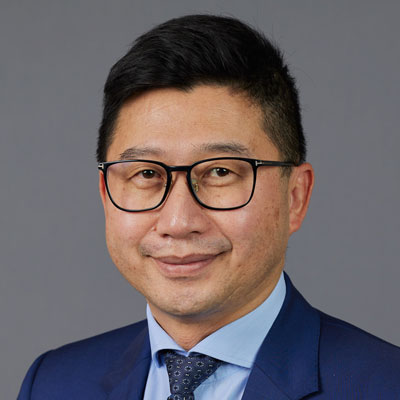 Prof. Léon Laulusa
Dean and Executive President of ESCP Business School
A Long-Term Commitment to Equal Opportunity
These new measures build on an already robust commitment. Currently, 26% of ESCP’s Grande École students are CROUS scholarship recipients, benefiting from a variety of support measures:
- Full tuition waivers for levels 4 to 7
- €1 meals
- Mobility scholarships
- Zero-interest loans of €30,000 to €50,000 (12 recipients in 2025)
- Sports aid and integration grants (supporting 54 students in 2025)
ESCP is also leading several structural initiatives for equal opportunity:
- Chances Augmentées Prépas (57 students supported in 2025, 9 admitted)
- Chances Augmentées Lycées (60 high school students across 4 institutions)
- Talent Spring, which enabled the integration of 8 new students in 2025
In 2026, with the launch of its new Bold & United strategic plan, ESCP is taking a significant step forward in its commitment to equal opportunity, reaffirming its position as a leading institution in social inclusion within higher education.
Inclusion is part of our academic responsibility. Providing equitable learning conditions is not just a social gesture—it’s a requirement to train leaders who can act with discernment and humanity. With this new system, we assert that excellence and social inclusion go hand in hand.
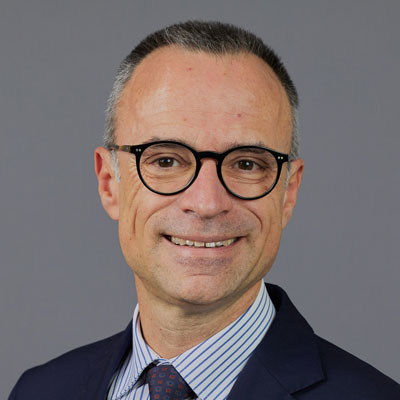 Prof. Francesco Rattalino
Executive Vice President for Academic Affairs and Student Experience
Campuses
Written by the ESCP International Politics Society
Amid geopolitical tension and rising climate urgency, COP30 offered fewer breakthroughs than many had hoped. ESCP student and Head of Content for the ESCP International Politics Society, Maxime Pierre, explores what the summit revealed about global cooperation and the road ahead.
“It is mankind and his activities which are changing the environment of our planet in damaging and dangerous ways [...] The damage is being done. What do we, the International Community, do about it?”
Those dire words were uttered nearly 40 years ago by then British Prime Minister Margaret Thatcher at the 1989 United Nations General Assembly. That speech served as a wake-up call for many that human-caused climate change was a scientific certainty and a challenge that humanity ought to face with urgency and unity.
Thatcher also pointed out that this looming crisis could be fought head-on, as “conventional, political dangers – the threat of global annihilation, the fact of regional war – appear[ed] to be receding”. The optimistic days of the post-Cold War era now feel distant.
Today, far from receding, those threats are resurfacing at a worrying pace, endangering global cooperation in favour of national interests. Singling out culprits for the current breakdown of globalisation is a futile exercise, as all nations will suffer as a result, albeit in cruelly unequal fashion.
Limited progress amid geopolitical tension
A tense atmosphere marked the COP30 negotiations in Belém, Brazil. The United States, the world's second-largest polluter – and historically the first – withdrew from the negotiations for the second time in a decade. Early on, ongoing trade tensions jeopardised the conference, with some delegations, notably the EU, threatening to walk out until the very last moment.
Headlines such as “COP30 saved face, but not the climate” suggested that the final text signed by 194 countries was more about preserving a battered multilateralism, with the climate relegated to a secondary concern.
When I asked several participants about the outcome of the event, the response was “no major failures, no major disappointments” – a low bar for success. The final agreement mentioned neither "fossil fuels” nor any “roadmap”, both removed after an intense fight by oil-producing nations. Some notable progress was made in climate finance, tropical forest protection and combating climate disinformation, all with numerous caveats attached.
Indeed, the talks may not have enforced the Paris Agreement in an urgent and binding manner, but the very fact that an accord of this scale could be reached under the current geopolitical situation should be applauded.
A reality check for global climate diplomacy
Every generation has had its moments of lucidity: Margaret Thatcher's 1989 UN address; Al Gore's 2006 Oscar-winning documentary An Inconvenient Truth; Laurent Fabius striking his gavel to conclude the Paris Agreement in 2015; and Greta Thunberg's launch of the Fridays for Future movement just three years later.
COP30, however, was no such moment. It was, rather, a bleak reality check that the current format of these consensus-based negotiations is not moving nearly fast enough to avert the worst effects of a warming Earth. It also showed the limits of talks on climate change that have been infiltrated by a record number of oil, gas and coal lobbyists.
But it is not all doom and gloom. It is important to note that one year before the 2015 Paris Agreement, the Intergovernmental Panel on Climate Change (IPCC) warned that “warming is more likely than not to exceed 4°C above pre-industrial levels by 2100.” Recent projections put it at 2.7°C, a sign that these international gatherings are producing far more than just upsetting headlines.
The path forward and the cost of inaction
Unlike in 1989, science is now very clear on what the “international community must do.” Fatalism has no place in the current discourse – our planet is the only habitable one we have.
One attendee told me that there is no such thing as 'running out of time.' I agree. The limit of 1.5°C or the nine 'planetary boundaries' often cited by scientists are not points beyond which the planet and humanity cease to exist. These measurements are there to gauge progress and hold us accountable if they are exceeded. But with each delay, the environmental and financial costs of inaction are rising, often exponentially.
If willpower is lacking, creating a binding climate framework through the International Court of Justice could force public and private entities to comply.
The danger of inaction is clear. To end on a similarly sobering note as COP30 itself, I share the words of the UN's High Commissioner for Human Rights after the event:
“I often wonder how future generations will judge the actions – and fatal inaction – of our leaders in the face of the climate crisis in 50 or 100 years [...] Could today’s inadequate response be considered ecocide, or even a crime against humanity?”
Student commentary by:
 Maxime Pierre ESCP MSc in Hospitality and Tourism Management student and Head of Content for the ESCP International Politics Society
Related stories

A Decade After the Paris Agreement: New ESCP Research Shows Why Climate Pledges Need an Overhaul
Campuses
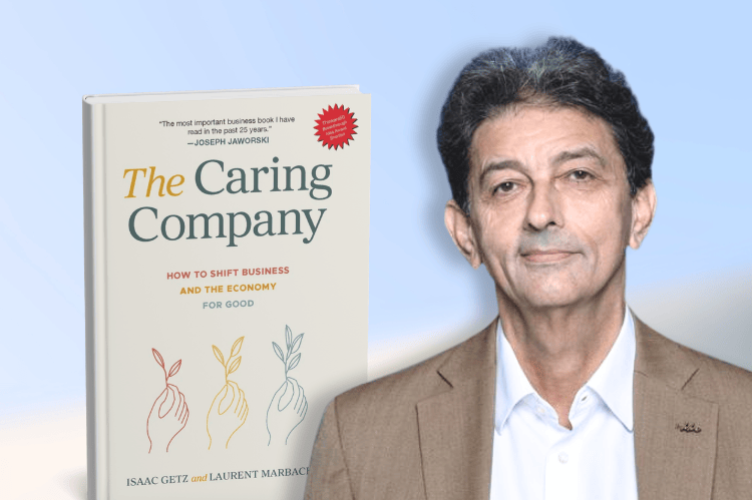
An interview with Professor Isaac Getz about his new book: The Caring Company.
With their new book The Caring Company: How to Shift Business and the Economy for Good (Wiley, November 2025), ESCP Professor Isaac Getz and co-author Laurent Marbacher argue that businesses that care unconditionally maximise their social value and demonstrate higher financial performance than their profit-driven competitors.
In The Caring Company, recently featured in the Financial Times, the co-authors lay out a radically new approach to business that, though conceptual, is thoroughly evidence-based: they studied dozens of caring companies of all sizes, types and geographies. We spoke to Getz about the inspiration behind the book and how to accelerate a shift towards more caring businesses and a more caring economy.
From liberated to caring companies
Since his 2009 book Freedom, Inc., Getz has championed liberated companies: firms built on trust that enable employees to act with freedom. Close to 500 companies and public service institutions have been transformed through the principles of liberated companies.
But a question remained. “I asked myself: what about the outside? How about the relationships companies have with customers, suppliers, and local communities?”
The Caring Company shifts that focus—from internal culture to external care—and explores the nature of a business’s relationships with the members of its ecosystem, relationships traditionally based on self-interested transactions.
Rethinking the business approach
In the book, Getz and Marbacher start with the observation that transactional relationships, though efficient, erode trust and loyalty. “The answer for most companies if they ask whether their stakeholders are willing to go the extra mile for them is no.”
By contrast, caring companies forge deeper, longer-term relationships by caring unconditionally through their core business processes. Having highly loyal customers, dedicated suppliers, and supportive local communities all contributed to these businesses' higher results and resilience.
Grounded in a multi-year study across industries and on three continents, the book blends insights from history, economics, psychology and philosophy with contemporary cases. These companies aren’t social enterprises or nonprofits. They are mainstream, market-driven firms, some of which are large, publicly traded multinationals.
Though capitalistic and welcoming profits, caring companies don’t put profits first.
These companies treat profit like water—essential for survival, but you don’t live to consume as much of it as possible. Firms that put care first, not only generate social value–the common good–but also, consequently, enjoy higher economic prosperity.
 Isaac Getz
ESCP Professor
Eisai: one case of unconditional care
Among the many case studies in the book, Getz and Marbacher share one that stands out. After a major secondary effects scandal that Haruo Naito, CEO of the large Japanese pharmaceutical company Eisai, thought was caused by the pure pursuit of profits, he asked his employees a simple question:
"What are we really here for?"
The eventual answer became a turning point: “Our purpose is to relieve the suffering of our patients and their families.”
The CEO invited employees to rethink their activities to contribute to this new purpose. This led to hundreds of actions, like salesmen organising congresses for doctors in remote regions to help them better diagnose Alzheimer's — without the typical goal of distributing drug samples. The result? Better ability to diagnose and treat the disease by doctors, and, as a byproduct, unmatched levels of goodwill among the doctors. This made Eisai, over time, their preferred drug company.
The human engine of change
Caring companies depend on employees who feel trusted and empowered to provide unconditional care. This is where Getz’s works converge: liberated organisations where employees have the discretionary power to act are needed to make unconditional caring possible.
When we started to study these caring companies, it became obvious that those who provide this unconditional care are employees. It's not enough for the CEO and top management to call for unconditional care. It's the employees who have to deliver it to customers, suppliers, and the local communities.
Isaac GetzESCP Professor
For ESCP students who will go on to lead and shape business in the coming years – many of whom belong to a generation deeply concerned with purpose and impact – the book offers a powerful message.
Getz says the next generation does not necessarily need to compromise their values, and The Caring Company shows that they can have a fulfilling career with purpose at the right organisations. “Don’t give up on your values. Don’t think you need to check them at the door.”
He also encourages students to see business as a powerful force for good: “If you want to make the world a better place, the leverage that businesses have may be the strongest, perhaps stronger than that of social enterprises and even of the government.”
Why care matters now
“Increasingly, businesses are facing legitimate criticisms that they are privatising profits and socialising risks and damage to society,” notes Getz. “This has led to growing distrust of businesses, particularly big ones.
The Caring Company presents a different model that is not an illusory utopian way to run a business. The ideas are grounded in examples from real organisations—such as Swedish Bank Handelsbanken, which has been using this model for over 50 years and continues to outperform its competitors.
The book challenges companies to move beyond mere compliance and extractive models, and instead, operate based on unconditional care and, as a consequence, enjoy incomparable results.
In doing so, it redefines the meaning and the contents of business. And, Getz suggests, this might be the only way capitalism can truly meet the challenges of our time.
Relevant Links
Campuses
Impact Fair 2025: Connecting talent where business meets purpose
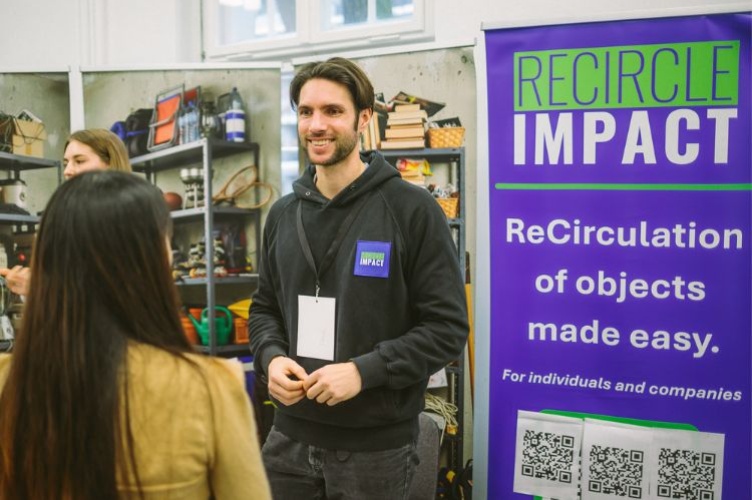
Each year, ESCP Business School brings together mission-driven organisations and future changemakers at the annual Impact Fair – a career event dedicated to sustainability, social innovation, and purpose-led business. Held on the Berlin Campus in November 2025, this year’s edition welcomed over 230 students and 22 impact-driven companies, reaffirming the school’s commitment to fostering meaningful career pathways where business can serve both people and the planet.
“An increasing number of our students want to build careers in organisations whose values they share,” says Gorgi Krlev, Associate Dean of Sustainability at ESCP, who opened the Fair. “The Impact Fair creates a space where they can explore what purposeful work looks like in practice and connect their business expertise with pressing global challenges.”
A marketplace of ideas and opportunities
Throughout the day, companies from the fields of renewable energy, women’s health innovation, sustainable food systems, ESG consulting, mobility, circular economy solutions, and more met with students eager to deepen their understanding of the sustainability landscape. From established firms to emerging start-ups, employers engaged in honest conversations about what it takes to build responsible, resilient, and future-oriented organisations.Representatives from companies such as Capgemini, Henkel, Masterpiece for Good, Kregtech, Via, Econsense, Atmosfair, and others shared insights into how sustainability shapes their strategy, operations, and talent needs. Students had the opportunity to ask candid questions, explore internships and entry-level roles, and understand how they could directly contribute to positive impact across sectors.
Thought-provoking talks and panel discussions
A core element of the Impact Fair was its programme of talks, presentations, and panel discussions, offering students a deeper look into particular systemic changes currently transforming global industries.Key sessions included:
- Energising the Future – how start-ups are accelerating the energy transition
- The Great Food Shift – innovation shaping the future of what we eat
- Beyond Buzzwords – practical realities of implementing circular economy solutions
- Capgemini: Unlocking ESG Transparency in Procurement
- Henkel: Sustainability in Action – Henkel’s Hair Professional Journey
- Kregtech: Understanding the 40+ EU Sustainability Regulations Beyond CSRD and CSDDD
- Atmosfair: Carbon Offsetting – Beyond Greenwashing & Buzzwords
…and many more sessions hosted by NGOs, consultancies, and impact-driven start-ups.
These discussions connected theory with practice, helping students gain clarity on how their management or entrepreneurial skill set can accelerate sustainability transitions in real-world contexts.
What companies are looking for
Across conversations, a theme emerged: organisations are looking for graduates who combine passion for sustainability, critical thinking, and a proactive, solution-oriented mindset. Employers value candidates able to navigate interdisciplinary challenges, communicate clearly, and work collaboratively across cultures and functions.
Companies emphasised several qualities they seek in their future hires:
- Commitment to creating positive societal and environmental impact
- Curiosity and adaptability in a rapidly evolving field
- Analytical and problem-solving capabilities
- Entrepreneurial spirit and a willingness to take initiative
Students attending the Fair demonstrated these attributes, engaging in thoughtful dialogue, challenging assumptions, and exploring how their studies can translate into meaningful career pathways.
Small choices, collective impact
A notable feature this year was the partnership with Impact Hero, who sponsored the planting of a tree for every company and student attending the Fair-up to the first 500 participants. This symbolic gesture highlighted the event’s broader message: small, individual actions can contribute to large-scale, collective impact.The day concluded with a vernissage and networking drinks, bringing together students, staff, companies, and speakers in a celebratory closing moment.
A shared vision for the future
As sustainability continues to shape global business priorities, the Impact Fair remains a cornerstone event for ESCP - bridging the gap between forward-looking employers and the emerging leaders poised to drive systemic transformation.
For students, it is a rare opportunity to witness the diversity of impact-oriented career pathways available today. For companies, it is a chance to engage with highly motivated talent prepared to turn sustainability challenges into actionable solutions.
Impact Fair 2025 once again proved that when purpose meets talent, new possibilities emerge-fuelled by curiosity, collaboration, and a shared commitment to a fairer, more sustainable future.
Campuses