
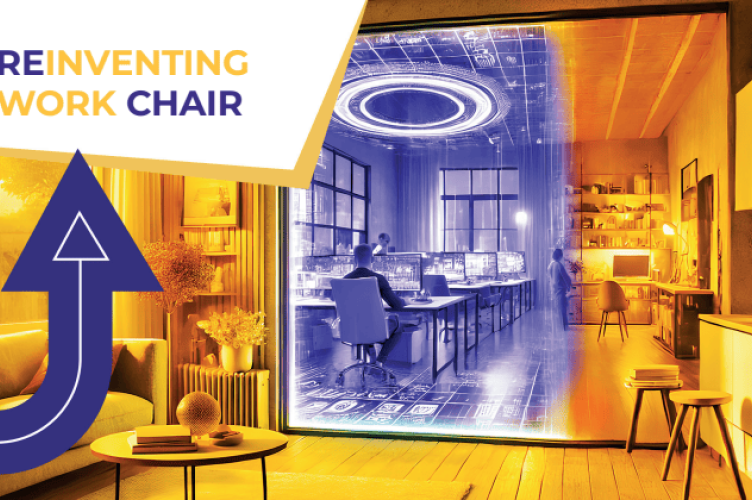
A new year, a moment to reflect. As 2026 begins, the Reinventing Work Chair looks back at the key lessons from 2025 on hybrid collaboration. What did 2025 really teach us?
This article provides a concise overview of the five takeaways from the June 2025 Annual Event and points readers to the full takeaways document for further details — because progress starts with learning.
These insights are part of a broader body of work developed by the Chair and were later placed in perspective in the article marking the finalization of the 2023–2025 research cycle.
Key takeaways to start 2026 on the right foot
Hybrid work is not the issue — collaboration design is.
The real challenge of hybrid work lies less in location choices than in how collaboration is structured, managed and supported.
Return-to-office mandates rarely deliver what they promise.
Mandatory office returns show no clear productivity gains and may increase turnover, while hybrid work remains a strong driver of attraction and retention.
Collaboration comes at a cost — often an invisible one.
Meeting overload, constant interruptions and fragmented information flows consume focus time and generate cognitive overload.
Hybrid collaboration must be deliberately designed, not improvised.
Clear cooperation rules, explicit working agreements, protected focus time and psychological safety are essential to make hybrid work sustainable.
Collaborative intelligence is becoming a strategic advantage.
Shaping the future of work requires combining network science, data science and management science. When used thoughtfully, AI can support this evolution — but it does not replace human collaboration.
Learn more
The full insights from the keynote, research projects and discussions are available in the 2025 Annual Event Takeaways document
Campuses