
Insights from the Women's Forum 2026
Against a backdrop of growing youth anxiety and unrest, ESCP's Alessandro Ghio moderated a discussion on how education, business and society can give the next generation a greater role in shaping the future.
"Would you like to be an 18-year-old in 2026?"
When Alessandro Ghio, Associate Dean for Research at ESCP, put the question to the audience at the end of the panel Youth Is Our Future in Motion at the 2026 edition of the Women's Forum, the response was a resounding no.
The exchange captured the concerns at the heart of the discussion. From artificial intelligence and economic insecurity to climate change, mental health and changing career expectations, young people are coming of age in a world undergoing profound change.
The panel, moderated by Ghio, brought together Deniz Torcu, Executive Director and Adjunct Faculty at IE Business School; Elizabeth Faber, Global Chief People & Purpose Officer at Deloitte; and Julie Ravillon, Sustainability Director at Salesforce France. The discussion explored how education, business and society can give young people a greater role in shaping the future.
Women's Forum Paris 2026: Prosperity in a changing world
Held on 17 November at Maison de l'Artisanat in Paris, Women's Forum Paris 2026 brought together leaders from business, government, academia, culture and civil society under the theme PROSPERITY: AI, Climate & the Forces Reshaping the Equation. This year's edition examined how technological, environmental and social transformations are redefining progress, prosperity and equality, and who gets to shape the answers.
Across the day, discussions explored women's economic participation, the future of work, urban resilience, nature, health, youth and human creativity in the age of AI. For the fifth consecutive year, ESCP was an academic partner of The Women's Forum, contributing to wider conversations about the forces shaping business and society.
A generation navigating anxiety and shifting ambitions
Ghio opened with figures highlighting the challenges facing young people. Around one in seven teenagers have mental health conditions, while three in four feel frightened about the future. Employment was another concern, particularly the availability of entry-level jobs. Ghio also referred to youth protests and episodes of unrest in France and elsewhere, pointing to wider frustration among younger generations about their economic prospects and their place in society.
For Torcu, younger generations want honest answers and a seat at the table. "We see ambition and anxiety at the same time," Torcu explained. Students remain motivated to pursue higher education, but increasingly question whether their degrees will translate into meaningful opportunities. What awaits them in the workforce, and is the investment in education worth it when its future remains so uncertain?
Youth are now very much aware of the climate crisis, of the housing crisis as well as the shift in the workforce. What they are demanding is an honest answer and a seat at the table.
Executive Director and Adjunct Faculty at IE Business School
Faber drew on Deloitte's survey of 22,000 Gen Z and Millennial respondents across 44 countries to illustrate changing expectations of work and leadership. Only 6% identified reaching a senior leadership position as their primary career goal. The idea of professional success is evolving, increasingly encompassing purpose, well-being and personal development.
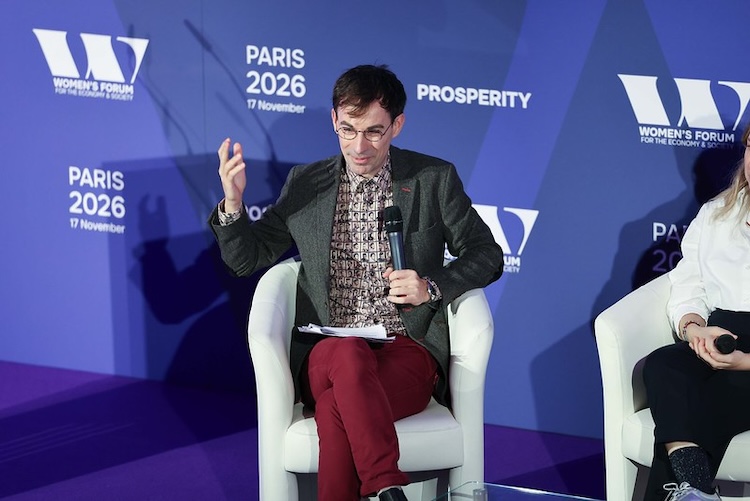 Alessandro Ghio, ESCP's Associate Dean for Research, opens the panel on youth and the future at the 2026 Women's Forum
Rethinking education in the age of AI
How can education prepare students for a world in which technology and professional expectations are changing so quickly?
For Ravillon, young people want a tangible connection between what they learn and the opportunities available to them. Strong foundations in mathematics, science and data, supportive educators and practical experience all matter. Her message was direct: "Show us the future we can believe in."
The discussion also challenged assumptions about AI and employment. Faber argued that entry-level roles are being redesigned to combine technology with professional guidance and opportunities to learn from experienced colleagues.
Torcu called for a rethink of how education assesses learning. As AI becomes increasingly capable of producing answers, students need to become better at asking questions, challenging assumptions and exercising independent judgement.
Torcu highlighted the role of mistakes in discovery. Referring to Alexander Fleming's discovery of penicillin, alongside other examples of unexpected outcomes leading to inventions, Torcu argued that the ability to recognise and investigate what initially looks like an error is distinctly human.
An AI system might simply dismiss an anomaly. Human curiosity can turn it into an opportunity for discovery. Education must therefore leave room for experimentation, questioning and learning from mistakes.
Investing in the capabilities that last
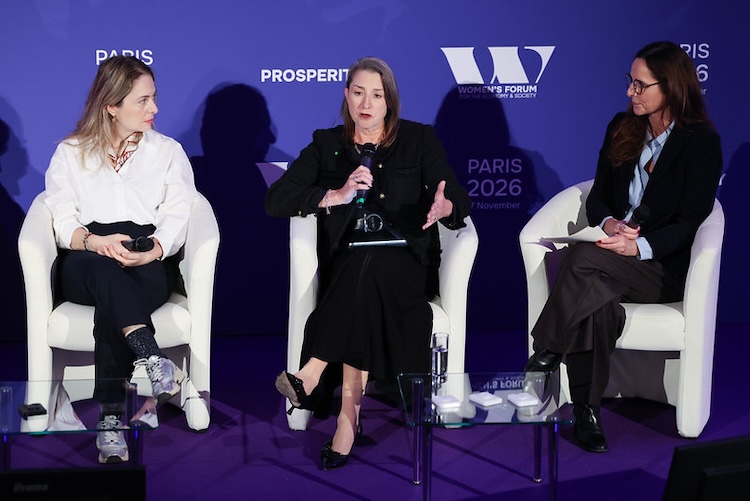 "Skills come and go, but capabilities endure," says Elizabeth Faber, Global Chief People & Purpose Officer at Deloitte.
What should companies and educational institutions invest in as technology continues to evolve?
Faber distinguished between technical skills, which will change, and human capabilities that endure. Communication, critical thinking, judgement, curiosity and professional scepticism, she argued, will remain valuable throughout a career. She also highlighted the importance of mental health, well-being and purpose-led workplace cultures.
Torcu's argument about learning from mistakes reinforces this point. The capacity to question an answer, recognise an unexpected possibility and think independently becomes particularly important when technology can increasingly perform routine tasks.
The challenge for education is therefore to develop more than technical proficiency. Students need opportunities to experiment, collaborate and exercise judgement in situations where there is no predetermined answer.
Who gets to shape the future?
The discussion also examined whether young women and young men have equal opportunities to influence what comes next.
Torcu highlighted differences in confidence and recruitment, noting that women often wait until they feel they meet almost all the requirements before applying for a position, while men may be more willing to apply when they meet only half.
Faber pointed to additional challenges around health, childcare and caring responsibilities, which can interrupt women's careers and make returning to work difficult. Equal opportunities require institutions and employers to recognise these different experiences and address the barriers they create.
For Ravillon, access to employment is only the beginning. Young women must also be trusted with meaningful responsibilities and included in decisions about what organisations build. She highlighted the potential of reverse mentoring to bring younger employees and senior leaders together, allowing both to learn from different experiences.
Young people need a genuine place in conversations about education, employment, technology and society. Their participation should not begin once decisions have already been made. "Creating meaningful agency means bringing them in while the project can still change," said Ravillon. Their perspectives should be treated as a strength, not an afterthought.
Related Links
Campuses