
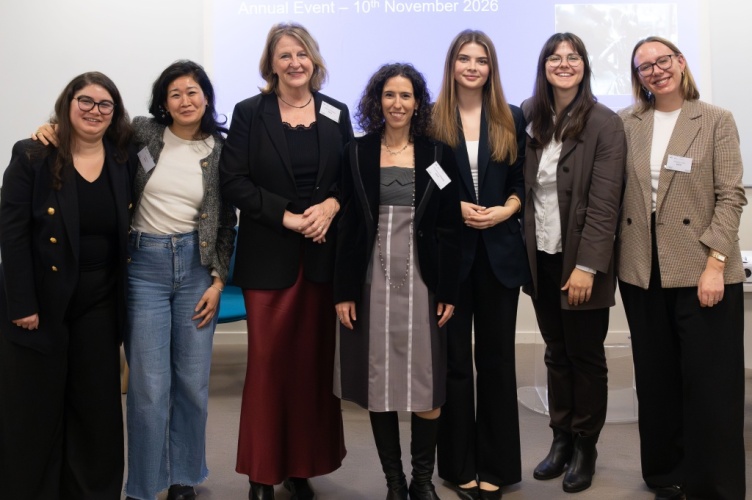
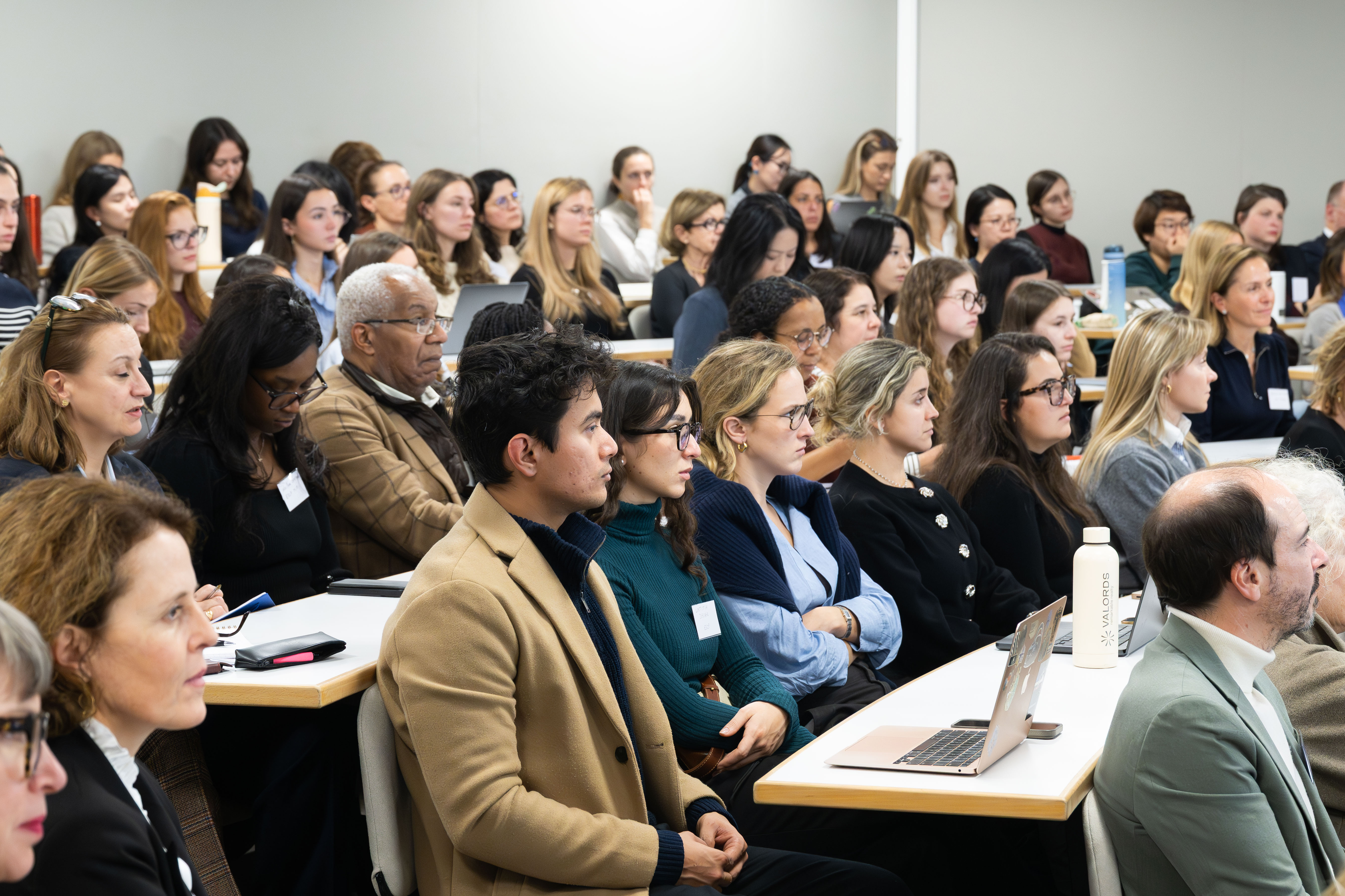
Bringing together academic research, industry expertise, public policy, and the student community, the Chair’s Annual Event explored how the financial sector can move beyond access to create meaningful opportunities for women to participate, lead, and influence the future of the economy.
Opening and Research Highlights
The event began with a welcome from Professors Almudena Cañibano and Marion Festing, Scientific Directors of the Chair, who presented the latest research findings. Their presentation highlighted the importance of evidence-based research in understanding the barriers women face and identifying the conditions that can support more inclusive financial environments.
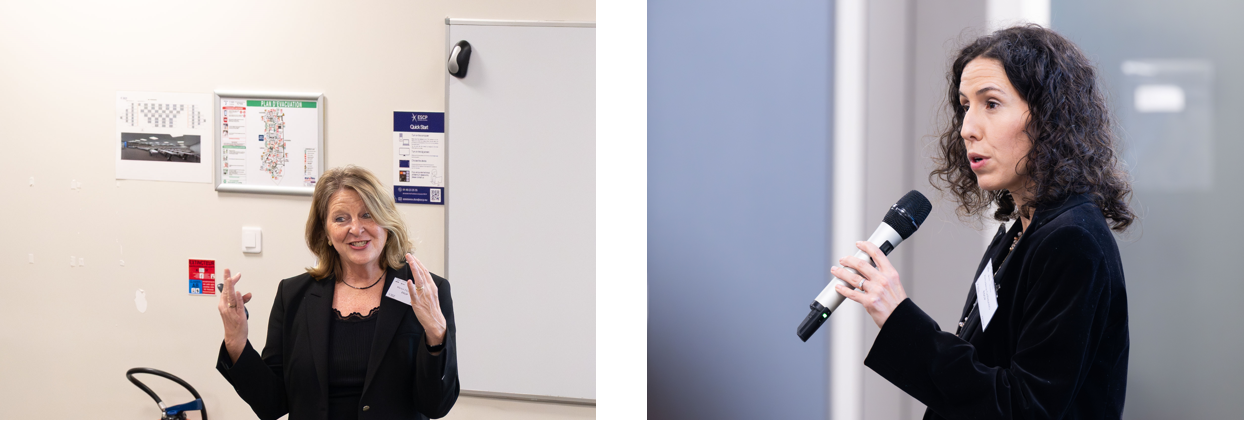
Drawing on three recent studies, the Chair’s Scientific Directors highlighted:
- The transformative potential of paternity leave: when paternity leave is taken for a sufficiently long and continuous period, and when it is culturally supported within organizations, it can contribute to changing workplace expectations and social norms around gender and caregiving. This research is published and can be accessed at https://onlinelibrary.wiley.com/doi/pdf/10.1002/hrm.70104.
- The role of mentoring in shaping women’s career intentions: mentoring can help female students to develop self-efficacy. They are supported by the female role models in clarifying or refining their career ambitions in finance, discover the diversity of opportunities available, challenge stereotypes about the sector, and develop strategies for navigating the competitive professional environment in finance. The quality of the mentoring relationship depends in particular on genuine commitment and psychological safety.
- The ambivalent experience of professional networking: networking is an ambiguous experience – it can be interpreted both as a demanding activity and as a valuable resource. While it may require significant time, energy, and emotional effort, it can also support career progression, personal development, inspiration, and a sense of belonging. The research suggests that networking is more likely to become a resource when participants feel authentic and when activities focus on meaningful professional or broader social interests.
- Responses to Diversity, Equity and Inclusion (DEI) Backlash in the USA and Germany: Depending on macro, meso and micro factors and their interpretations by DIE practitioners, companies define their own responses to backlash (e.g., keep visible, go quiet, relable, no change). It is important to note that there are different ways for companies to stand strong in this context. However, organisations need to develop self-tailored solutions. The study results also show that decisions on DEI policy seem to have a strong emotional component (not just strategic).
Insights from Minister Aurore Bergé
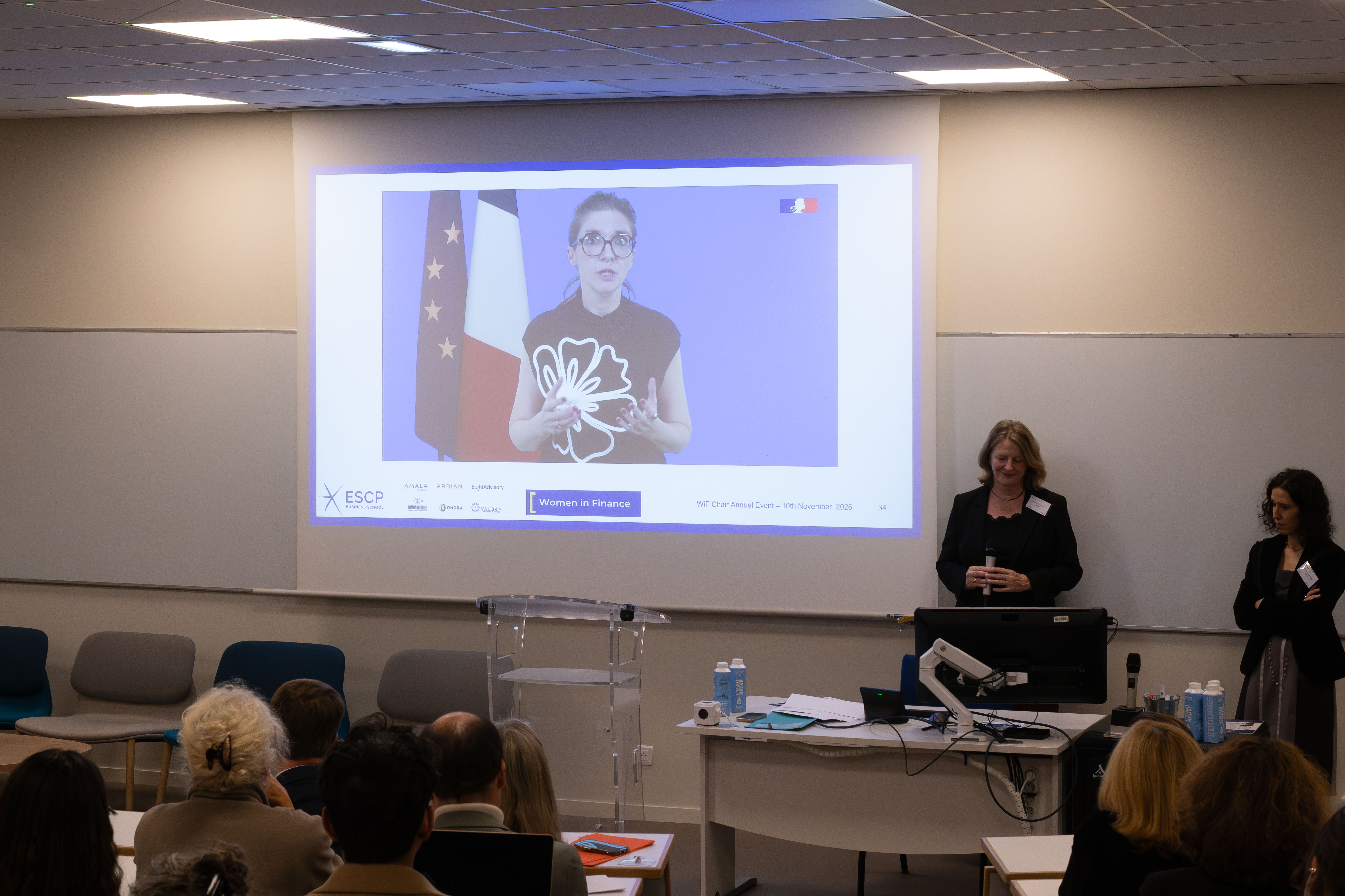
Although Minister Aurore Bergé was unable to attend the event in person, she contributed a video message addressing the theme “From Access to Influence: Advancing Gender Equality in Finance.”
She reflected on France’s progress in promoting gender equality while highlighting the barriers that continue to limit women’s access to capital, financial knowledge, professional networks, and decision-making positions. She emphasized the importance of financial education in strengthening women’s economic independence and called for reliable indicators and greater accountability to ensure that commitments lead to measurable progress.
The Minister also underlined the shared responsibility of governments, regulators, financial institutions, and business schools in creating lasting change. She concluded by encouraging women students to pursue careers in finance, make their voices heard, and take their place in the spaces where economic decisions are made.
Celebrating Research on Women in Finance
The evening continued with the Women in Finance Chair’s thesis award ceremony, celebrating outstanding student research on gender, careers, leadership, and sustainable finance.
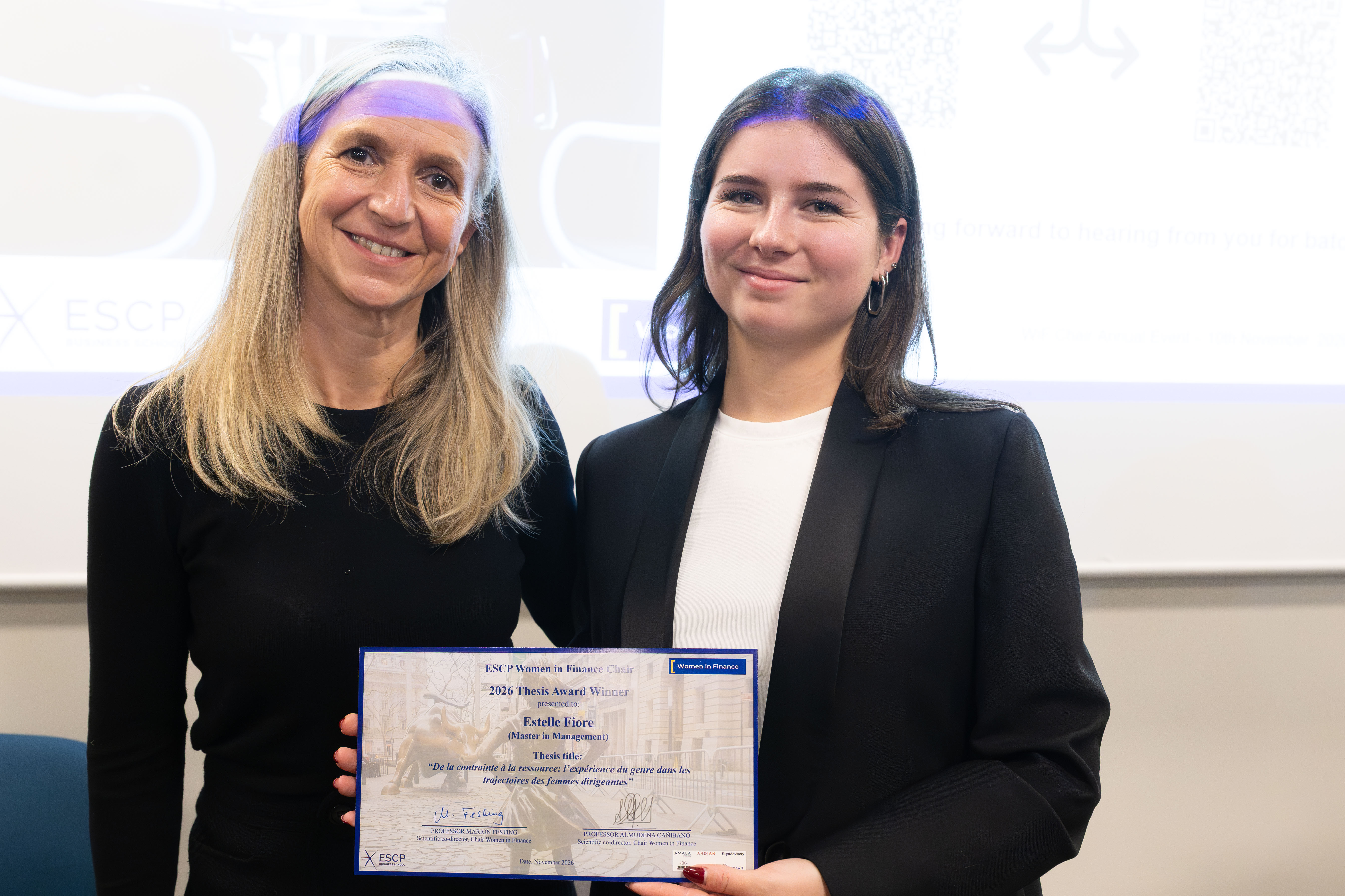
The award for the best master’s thesis was presented to Estelle Fiore, Master in Management student, for her thesis, “From Demand to Resource: the Experience of Gender in the Career Trajectories of Women Leaders.” The award was presented by Sylvie Huet, Secrétaire Générale of Amala Partners.
The jury also recognized two finalists:
- Siqi Wang, Master in Strategy and Digital Business, for “Career Trajectories of Men and Women in the Finance Industry: Insights from Mainland China”
- Ninon Vauthier, Master in Sustainability, Entrepreneurship & Innovation, for “How Do Management Students Perceive Careers in Sustainable Finance, and What Role Does Gender Play in Shaping These Perceptions?”
Together, the three projects offered complementary perspectives on gender and finance: the ways women leaders navigate credibility, legitimacy, and organizational dynamics; how gender shapes career trajectories within the financial industry; and how students perceive careers in sustainable finance.
Panel Discussion: From Access to Influence: Advancing Gender Equality in Finance
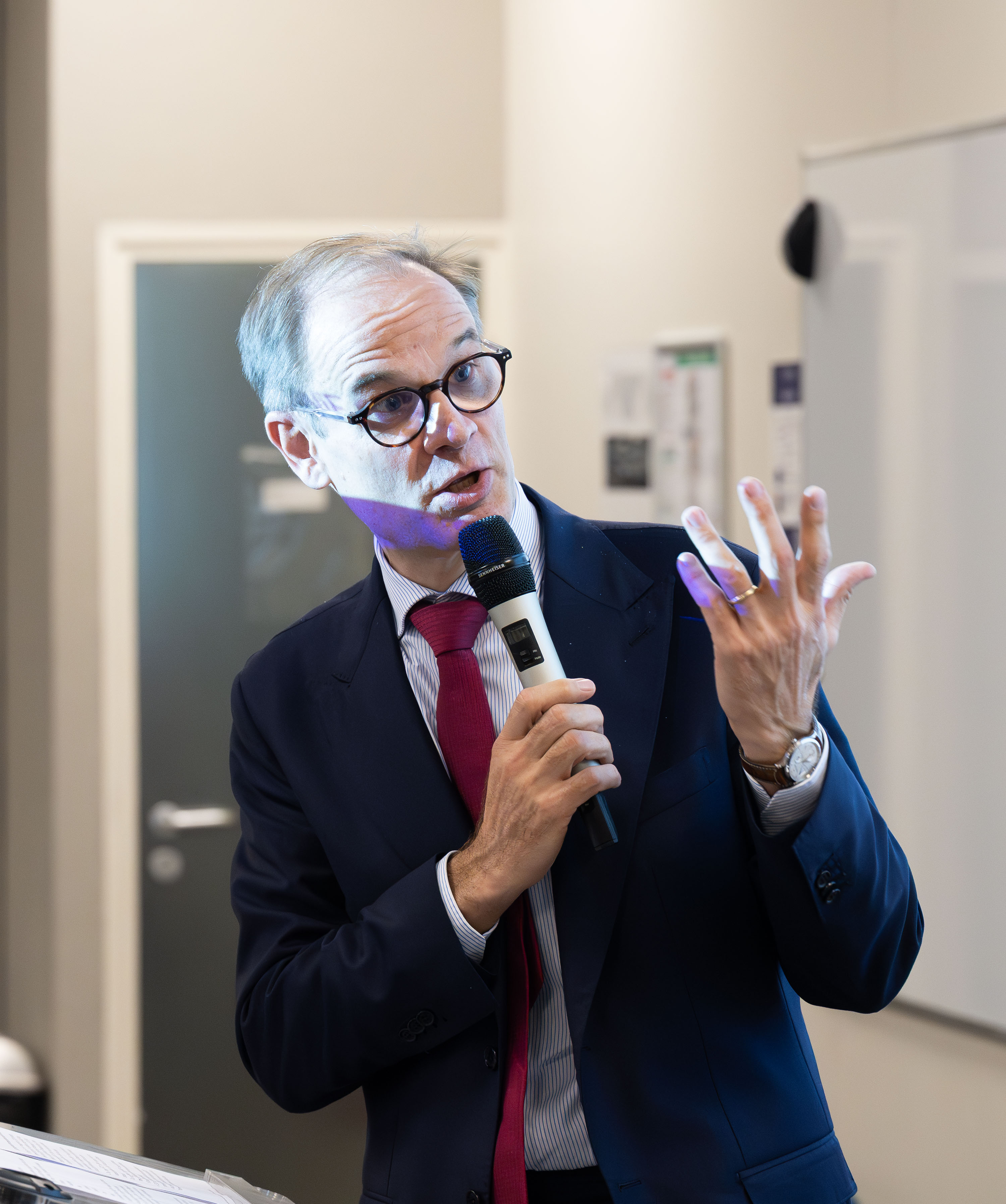
Executive President and Dean of ESCP Business School, Thomas Jeanjean, introduced the topic of the panel discussion and underlined the importance of female leadership and the Women in Finance Chair for ESCP Business School.
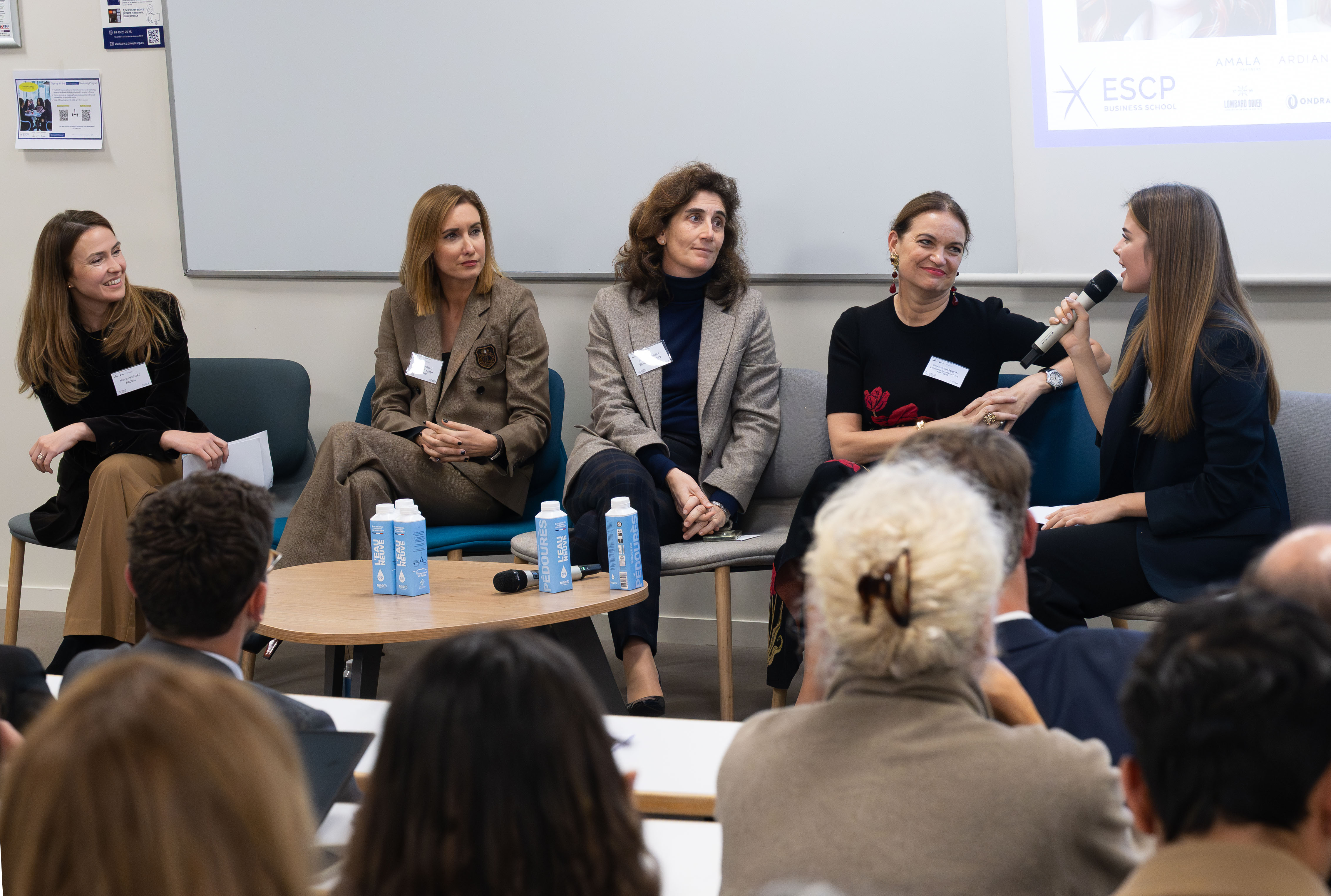
The panel discussion was moderated by Anna Lorraine Egle, Master in Management student. Bringing together senior leaders with diverse career paths across asset management, private banking, infrastructure investment, and advisory, the panel featured:
- Marion Hascoët, Investor Relations Managing Director at Ardian
- Jessica Rabut, CEO of Lombard Odier Europe S.A.
- Gwenola Chambon, CEO and Founding Partner of Vauban Infrastructure Partners
- Florence Khayat, Partner and Co-Head of Transaction Services in France at Eight Advisory
The discussion explored what it means to move from access to influence in finance, drawing on the panellists’ diverse experiences and perspectives. They addressed the importance of credibility, authentic leadership, professional relationships, mentoring, sponsorship, and access to strategic opportunities.
The conversation also examined how organizations and the wider financial industry can create fairer conditions for women to build influence. Key topics included equal parental leave, flexible working arrangements, childcare support, equal pay, access to influential networks and commercially significant projects, as well as women’s participation in investment and decision-making processes.
The panellists further highlighted the role of senior leaders, investors, colleagues, and institutions in creating opportunities for the next generation. They emphasized that lasting progress requires both individual confidence and collective action, supported by inclusive workplace cultures, measurable commitments, and greater accountability across the industry.
The discussion concluded with practical advice for women at the beginning of their careers, centered on three complementary sources of influence: credibility, relationships, and authenticity.

Networking and Reception
The evening concluded with a cocktail reception, offering ESCP students the opportunity to connect with representatives from the Chair’s sponsoring companies, industry leaders, panellists, thesis award finalists, and distinguished guests.
The reception provided a valuable opportunity to continue the evening’s conversations, exchange experiences, and build connections across the ESCP community and the financial industry.
Campuses