-

Martina Seikat
Recruitment and Admissions Manager
msc.internationalsustainability@escp.eu
Book an appointment WhatsApp+49 152 099 36535

Master of Science (MSc)
International Sustainability Management
Integrate business acumen with climate science
Objectives of the programme
The time to deliver new ways of thinking and operating to preserve our planet is now, and companies are feeling the pressure. Businesses, which have an out-sized impact on our society and culture, are increasingly accountable for sustainable practices that affect our environment, economy, and livelihoods.
That’s where you come into play. Whether you're a recent graduate or a young professional looking to pivot your career, this programme prepares you to lead in sustainability. From governments adapting infrastructure to companies developing responsible supply chains, organisations across sectors need sustainability leaders.
And so the opportunities are vast. Business is changing, and they’re looking for passionate and knowledgeable experts to help meet their obligations to society and the environment while also driving impact and growth.
The Master in International Sustainability Management equips you with the knowledge and skills to address these opportunities with an interdisciplinary approach. As a Master of Science, the programme is grounded in science and research, but also takes on a business perspective. It offers a broad portfolio of classes including climate science, economics, governance & policy, management, ESG reporting, and ethics.
MSc in International Sustainability Management
Making that difference
The two-year programme is taught at ESCP’s Berlin and Paris campuses, with two fixed terms in each city. In term 5 you will write your Master's thesis. You'll do an internship in Term 6, wherever in the world you like. The class composition is highly international, with diverse takes on the problems we face and their solutions. This multicultural exposure and mobile lifestyle will ideally prepare you for a global career.
Nuanced discussions and intensive teamwork offer the chance to develop the interpersonal skills to argue your position and persuade others, as well as collaborate cross-culturally with your peers. You can get involved with ESCP student associations, and both the cities of Berlin and Paris, with robust sustainability commitments, allow you to directly engage in the larger community and build your network.
Why sustainability at ESCP?
As the world's 1st business school, we bring a strong commitment to sustainability and responsible leadership. Our multi-country study model and diverse community emphasizes a global approach to today’s challenges. See why ESCP is the ideal place to dive into these topics.
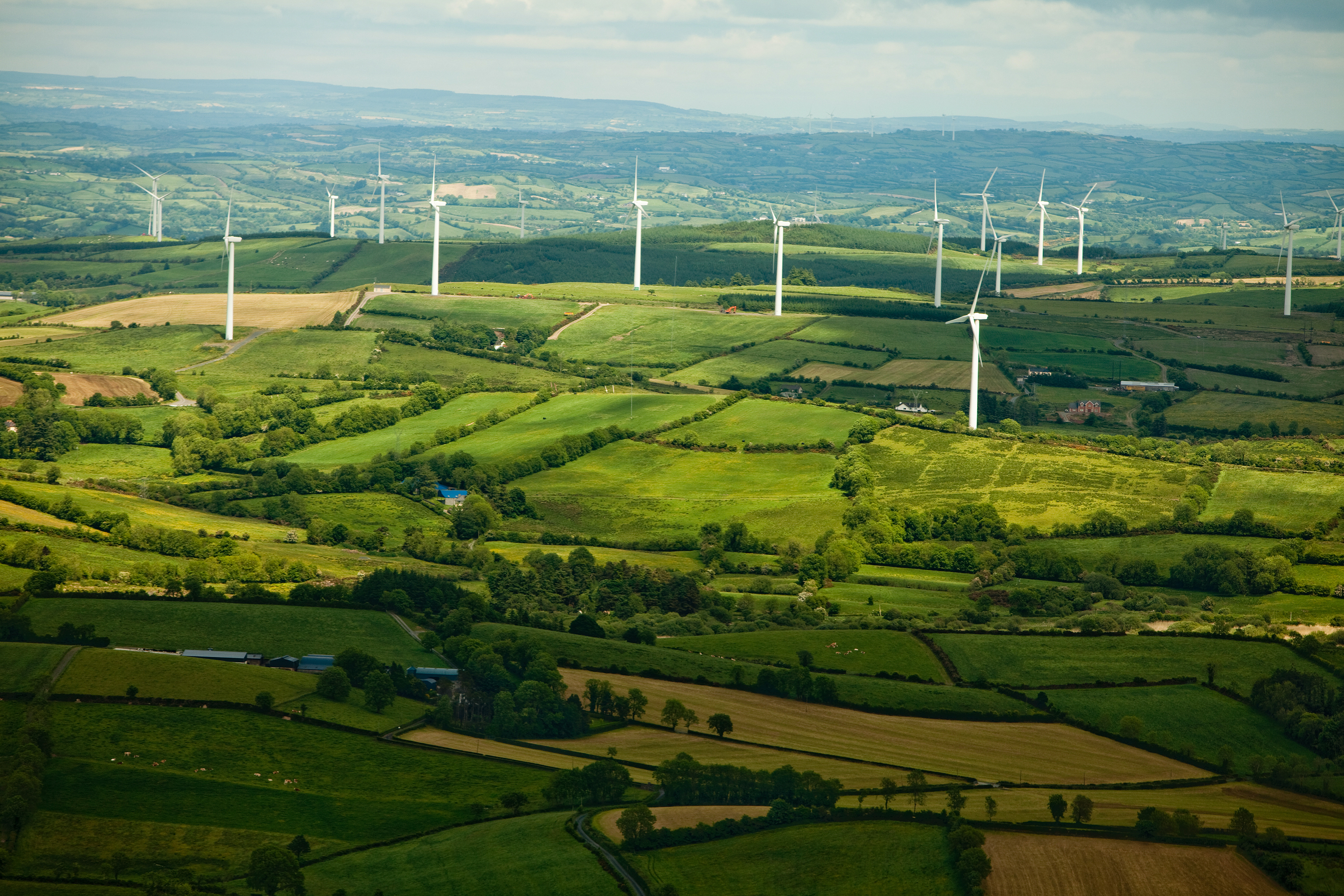
Commitment to Ethics, Responsibility & Sustainability
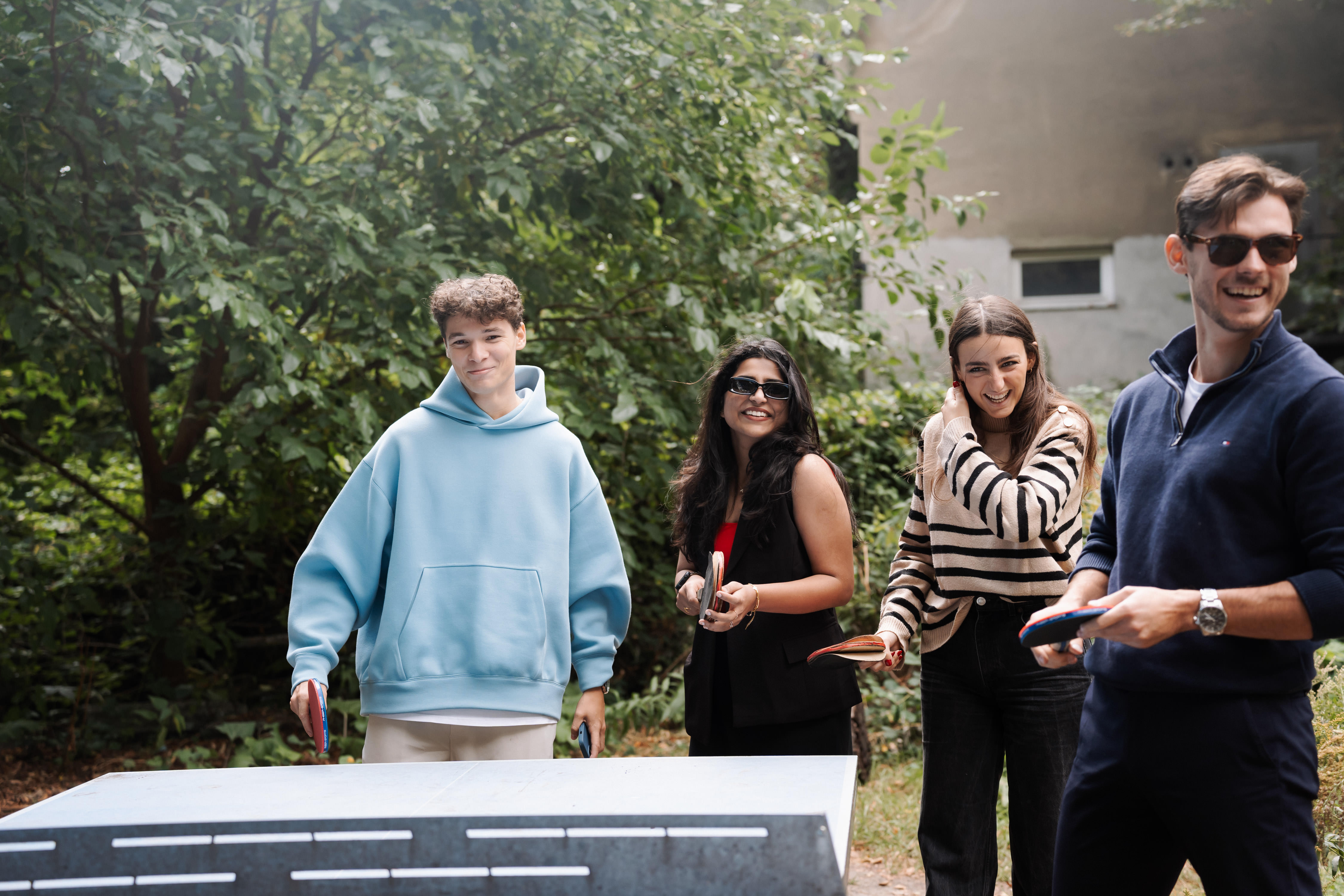
Make your impact in the ESCP community
Get support from the Blue Factory incubator
2026 INTAKE PROFILE
50 students
26 nationalities
6 continents
58%
Are business/economics graduates. All academic backgrounds are welcome.
23.4
Is the average age of students starting this programmes
European Academic Director
Prof. Dr. Christian F. Durach
Chair and Professor of Supply Chain & Operations Management
ESCP Berlin Campus
PhD Industrial engineering and logistics
Research areas: Supply chain risk management, sustainable supply chain & operations management, the intersection of digitisation with sustainability and risk management
Co-Director
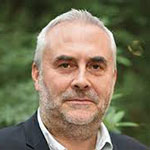
Prof. Dr. Olivier Delbard
Coordinator of the Sustainability Department
ESCP Paris Campus
PhD in Economics
HDR (French acad. qual. for Ph.D. supervisor)
Research areas: Business ethics, strategic and macro-economic issues of sustainable development and CSR
Accreditation
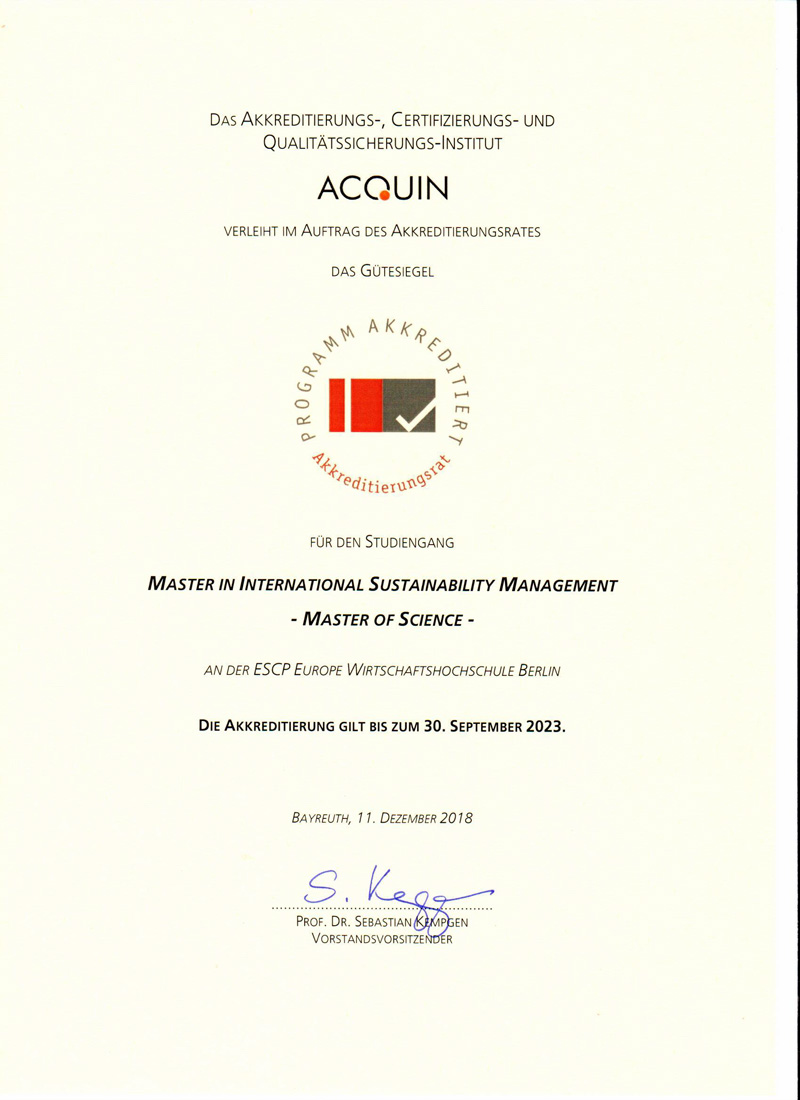
 The MSc in International Sustainability Management has been state-accredited by the Senate Administration for Education, Science and Research of the Federal State of Berlin. The programme is also an internationally recognized state-accredited Master of Science degree by the Accreditation Council through ACQUIN since 2016 and in accordance with the Bologna reform. ACQUIN's accreditation is valid until 2031.
About the ESCP MSc
Our goal is to train experts who will be rapidly able to adapt, progress, and lead in a globalized world. The choice of a Full-Time MSc corresponds to a professional project and gives young graduates and managers a combination of high-value skills and experiences sought by recruiters. Choosing this intensive format allows for immediate access to decision-making positions.
Master of Science (MSc)
International Sustainability Management
Curriculum
Make Saving the Planet Your Day Job
We are convinced that future managers need to understand the world, its natural systems, and how they work before implementing viable solutions.The programme therefore starts with an introduction to sustainability research, resource economics, and natural science foundations on climatology and ecosystems.
Alongside an introduction to sustainability management as a business discipline, the MSc addresses the economics perspective of resource exploitation and emission control on which government regulations are formed. The curriculum alternates between business frameworks for sustainability transitions and topics such as NGO management or sustainable governance.
A two-year full-time programme
Your learning journey begins in September and is structured over 6 terms, taking place primarily in Berlin with two terms in Paris. Beyond the academic modules, you'll get continuous career development support and access to the Careers Centre team to prepare you for the next step in your professional journey.
Term 1: Sep - Dec Establish an interdisciplinary foundation with natural sciences, sociology, economics, and management
Berlin
Your journey begins in Berlin, where you’ll build a solid foundation in sustainability management. You will explore planetary boundaries and Earth system processes that underpin global stability, examine extractive business models and regenerative alternatives, and analyse corporate sustainability practices such as CSR, ESG reporting, and innovation. Along the way, you’ll also engage with questions of ethics, responsibility, and individual agency, while studying the physical and social limits to economic activity and the frameworks designed to navigate them.
You’ll learn how to analyse scientific research and turn insights into actionable recommendations for managers and other decision-makers. You’ll also join a language course of your choice to prepare for global career opportunities and work environments.
Modules
- Social science sustainability foundations
- Natural science sustainability foundations
- Business and management sustainability foundations
- Economics sustainability foundations
- Theory for practice, Part I: Academic work and science-based management
- Language class
Term 2: Jan - April With a global perspective, learn about policy & governance while examining corporate sustainability
Paris
During this Paris-based term, you’ll dive into sustainability governance and policymaking across international, regional, and local levels, with a special emphasis on EU frameworks and agreements. The term also challenges you to examine the controversies and limits of current corporate sustainability practices, while exploring innovative alternatives that move beyond traditional CSR models.
You’re required to choose one elective from a portfolio of courses covering different business functions. You'll also develop essential project management and consulting skills while continuing to advance to the next level in your language studies.
Modules
- Public sector sustainability foundations
- Developing critical perspectives (divided into two thematic areas)
- The dark side of sustainability
- Beyond CSR: innovative responses to the sustainability challenge
- Theory for practice, Part II: Project management and consulting
- Business function specialisation elective* (choose 1)
- Sustainable supply chain management
- Marketing transition to sustainability
- Sustainable finance
- Sustainable business development
- Language class
*The selection of electives are subject to change every year.
Term 3: May - June Position yourself as an all-around sustainability expert through electives and a smaller company consultancy project
Paris
Continuing in Paris, you’ll strengthen the management skills and strategic foresight required to lead sustainable change in today’s global business landscape. A sustainability-focused consultancy project gives you the opportunity to work directly with companies and organizations to solve their current business challenges and put your ideas into action.
By selecting specialized electives on emerging global trends, you can further shape your profile as a versatile sustainability expert. At the end of this term you’ll finish your language class.
Modules
- Sustainability-focused consultancy project
- Sustainability methods elective*
- Rethinking models
- Grand challenges
- Social impact and innovation
- Sustainability metric and green finance
- Management specialisation elective*
- Non-profit and social enterprise
- North-south issues
- International business and sustainability
- Language class
*The selection of electives are subject to change every year.
Term 4: Sep - Jan Dive into the busiest term: a nature study retreat, a longer company consultancy project, and a management elective
Berlin
After a brief summer break, your cohort returns to Berlin and takes part in a 1-week study retreat in the surrounding Brandenburg region to focus on nature-inspired electives. On campus, you’ll prepare to critically evaluate research and conduct your own scientific work, while choosing one more management elective.
A key element of this programme takes place this term — the Company Consultancy Project (CCP). Over 2 months, you and your peers will collaborate on a real-time challenge provided by a company or organisation. This project challenges you to put into practice the concepts you’ve learned in class and gives you valuable experience employers are looking for.
Modules
- Personal sustainability transformation retreat elective* (choose 2)
- Leading from within: reconnecting to inner wisdom for sustainability leadership
- Exploring biomimicry: nature-inspired models of innovation and leadership
- Positive workplace activism: the why and how of employee-led change
- Sustainable business model design
- Sustainability management skills elective* (choose 1)
- Digital technologies & sustainability
- Technology entrepreneurship
- Reporting sustainability
- Advanced entrepreneurial finance
- Interdisciplinary company consultancy project
- Empirical research methods
*The selection of electives are subject to change every year.
Company Consultancy Projects (CCPs)
The CCP will require significant commitment and focus. Your group is expected to deliver a high-level analysis and make actionable recommendations that can realistically be implemented by the company. You’ll learn how to work effectively as a team and hone your skills in:
- Project planning and management
- Data collection and analysis
- Development of hypotheses and recommendations
- Customer service & client interaction
- Public speaking and presentations
Throughout the project, guidance is provided by business experts with support from ESCP professors.
Company Consultancy Projects
Some Partner Companies
Henkel – Mercedes – EnBW – GreenAir – CM Consulting – Intersport – BearingPoint – Berlinhaus – Porsche Design – Beiersdorf – Allianz Partners – Women Economic Forum – Regenerative Marktwirtschaft – Kienbaum – Weleda – Colorsxstudios – Kuehne Climate Center – AmaliTech
CCP Examples
- Market Validation and Strategic Go-to-Market Planning for Alternative Assets for a Sustainable Investment AI agent
- Pilot electric truck rental programmes – advise on global best practices
- Transformation of current IIC Impact Report based on GRI-reporting in accordance with future ESRS and CSRD requirements
- Developing a Sales Strategy for baked’s Gluten-Free Product Line in the German Market
- Strategic Forecasting of Skin Care Market and Opportunity Mapping for Future Growth
- Sales Strategy and business development for our newest calculation module for sustainability (CO2-Footprint, production, packaging, transport and disposal
Term 5: Feb - April Research, write and defend your Master's thesis
Worldwide
You’ll have 12 weeks to complete an individual Master's Thesis in consultation with an ESCP academic advisor. A Master Thesis demonstrates advanced research, analytical, organisational and problem-solving skills—highly valued in competitive job markets. As you develop expertise and contacts in your desired industry, a thesis can also serve as a launch pad for your career.
Term 6: May - Aug Do an internship or start a permanent job
Worldwide
You’ll finish your Master's journey with an internship (or a full-time permanent position), which must be a minimum of three months. You also have the option of doing a Business Project, if aligned with the programme and validated by ESCP's Careers Centre.
The internship, which you can do anywhere in the world, is an excellent opportunity to apply theoretical knowledge, get more hands-on experience, and build professional connections, all aimed at jumpstarting your career. ESCP’s European Career Centre provides support as you look for the right internship opportunity.
Here are some examples of companies and organisations at which students have obtained internships:
KPMG – Federal Ministry of Economy and Climate Action (Germany) – ClimateSeed – Good Citizen – Maa Biodiversity – Henkel – WWF Germany – Capgemini – HelloFresh Benelux – ROSE Technologies GmbH – Deloitte – Doctolib – Enpal B.V. – Assicurazioni Generali S.p.A. – Ceezer Software GmbH – EIT Raw Materials – Impact Fund Managament – OECD – Circulab – UN Human Settlements Programme – Sustainable Wine Limited – Institute for Ecological Economy Research (Germany) – PwC – Yves Saint-Laurent SAS – UN Environment Programme – AfricInvest – Transport for London – French Football Federation
Master of Science (MSc)
International Sustainability Management
Careers
Sustainability professionals work across a wide range of industries—not only in “green” companies such as those in renewable energy, technology, food, fashion, or cosmetics, but also in established organisations and traditional businesses of all sizes aiming to enhance their sustainability performance.
Typical career paths include roles as sustainability consultants or analysts. Graduates also work in diverse functions such as operations, supply chain, marketing, or strategy — within mission-driven organisations, NGOs, or certification bodies. Some eventually launch their own start-ups or become social entrepreneurs driving innovative change.
First positions of some of our graduates include: Sustainability Analyst — CSR Consultant — McKinsey Fellow — Sustainability Consultant — Project Manager — Supply Chain Analyst — Campaign Manager — Sustainable Development Consultant — Impact Analyst — Climate Success Manager — Sustainability Project Engineer — Blue Book Trainee — Recyclability & Circularity Consultant — Sustainability Strategy — Climate Finance & Nature Land Use Consultant — Sustainability Reporting Manager — CSR Auditor & Consultant — Outreach & Development Manager — Climate & Energy Consultant — Strategic Buyer — ESG Analyst
The European Careers Centre
Take control of your career path with ESCP’s events, personalized guidance, and tools designed to support your success after graduation.
Strategically Plan Your Next Steps
Transform your career aspirations into reality with our Careers Centre. Expert advisors across five European campuses guide you through a variety of professional development workshops as well as 1-on-1 advising sessions. You’ll also a platform with over 50,000 internship and job opportunities each year, plus cutting-edge digital resources to accelerate your success.
Connect Directly with Companies
Build valuable connections with HR leaders and industry experts at our diverse career events. From career fairs and company visits, we bring you face-to-face with hundreds of top employers throughout the year. These signature events give you exclusive networking opportunities with decision-makers from global companies, helping you launch your international career.
For non-EU graduates: living and working in Germany
Thinking of starting your sustainability career in Europe? Studying in Germany has many distinct advantages during and after your studies. Upon completion of a state-recognised degree, non-EU citizens may apply for an 18-month residence permit, which can be converted to a longer permit after obtaining a job. See more information here.
ESCP's Alumni Network: Stay connected and keep growing
With a global network of over 90,000 alumni across 193 countries, you'll gain access to a dynamic community that can open doors to unparalleled opportunities – both during and after your studies.
The ESCP Alumni Association is dedicated to enriching your experience. From day 1 at ESCP, you'll become a lifelong member of the Association. You can enjoy numerous exclusive benefits far beyond graduation, including networking opportunities, career support, continuing education, and alumni discounts and offers.
Testimonial
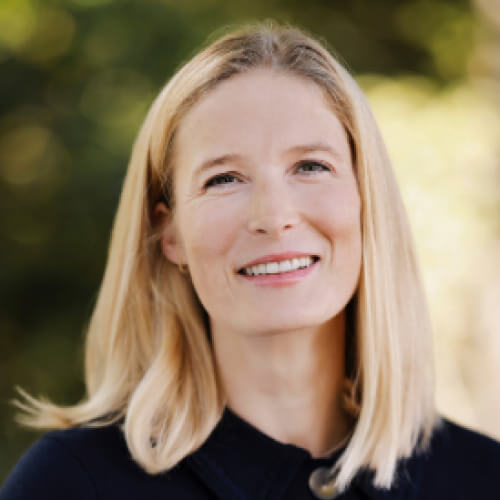
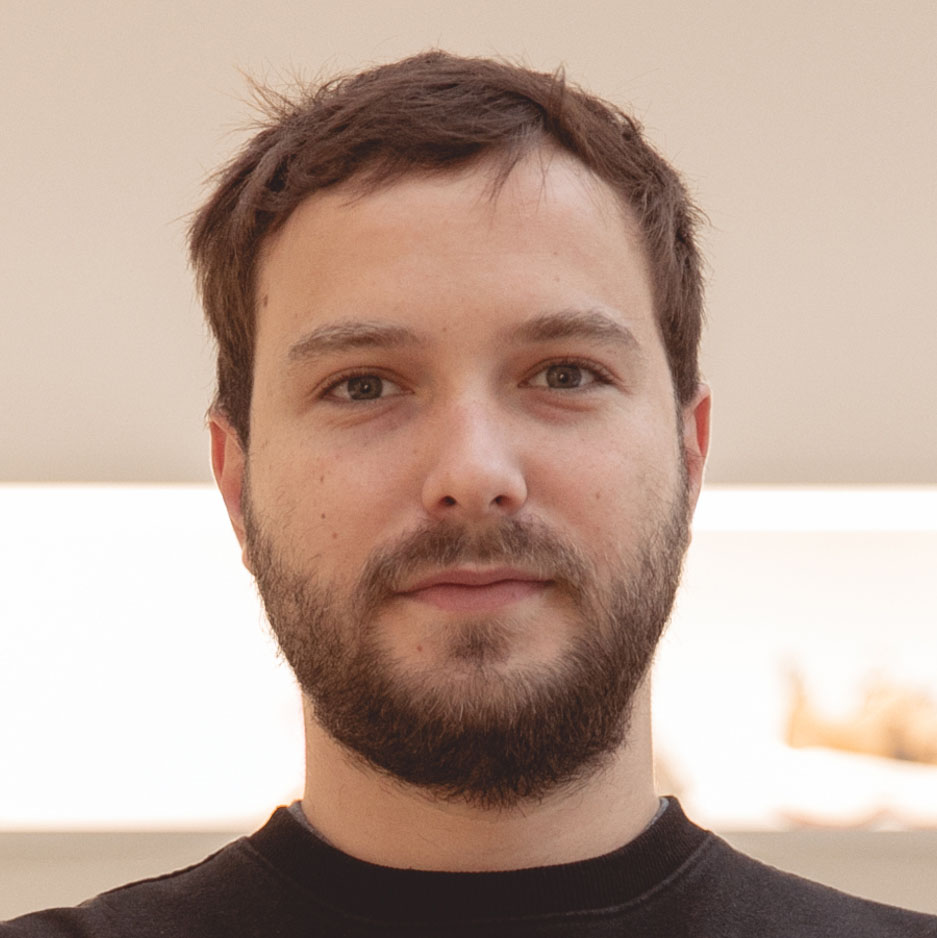
Marei von Goetz (Germany)
Manager, Corporate Partnerships and Foundations
Save the Children
" 'Be the change you wish to see in the world,' however cliché, took on urgent and relevant meaning for me while working in the fashion industry. As one of the most polluting industries in the world, reducing the environmental impact of conventional fashion became a career path I wanted to pursue."
Testimonial
Daniel Schmitt (Brazil/France)
Project Manager
VEJA
Tell us a bit about yourself. What were you doing or studying before you started the SustM?
I’m half Brazilian, half French. I was born in Sao Paulo, Brazil and grew up in Latin America, in between Argentina, Brazil and Mexico. I moved to Montreal, Canada from 2013 to 2017 to study Political Science at Université de Montréal. After several work experiences in the public sector, I decided that I wanted to understand how social and environmental impact could be done and handled via the private sector. So I applied to the SustM programme, joined it and graduated in 2019.
What are you currently doing? What challenges does your team face?
During the master's program I had the opportunity to work in retail at VEJA (a footwear brand), so after graduation, I applied for a job at VEJA as a project manager in sustainability. I was hired to handle the circularity project at VEJA, and develop repairing business models so that we can increase our products' lifecycle, enter the secondhand market, and master recyclability when the pair of shoes isn’t repairable anymore. Today, I manage a team of 4 people.
For which main reasons did you choose to study the SustM?
...
Testimonial
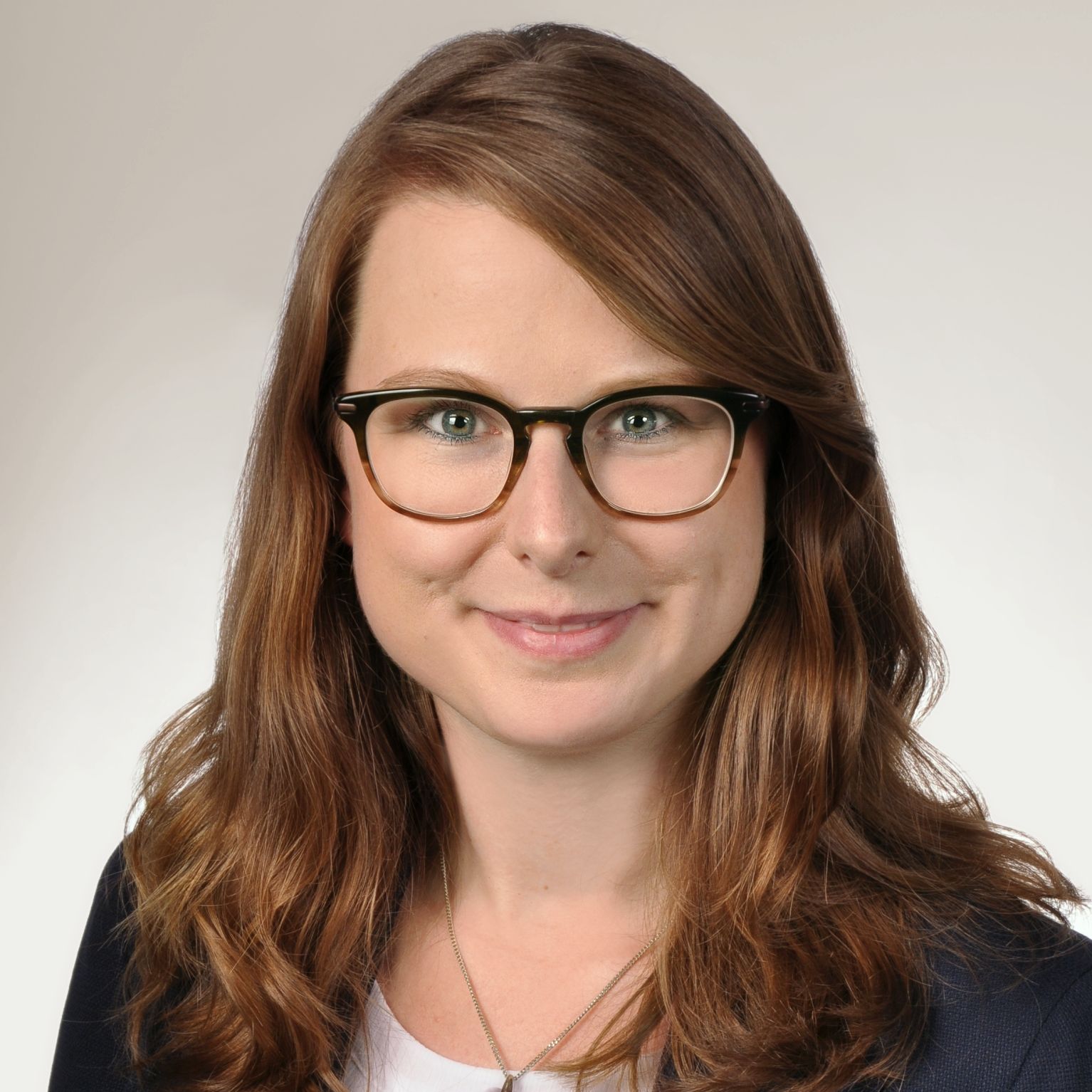
Ásdís Nína Magnúsdóttir (Iceland)
Programme Analyst
UNDP
Tell us a bit about yourself. What were you doing or studying before you started the SustM?
I am Icelandic but grew up both in Reykjavík, Iceland and in Durham, North Carolina (USA). I studied philosophy at the University of Iceland in 2013-2017 and studied on an Erasmus scholarship at Humboldt-Universität in 2015. I had just completed my BA degree in philosophy before I started this programme.
What are you currently doing? What challenges are you or your team/company facing?
I currently work as a Programme Analyst for UNDP in Zimbabwe in the department of Poverty Reduction, Environment and Climate Change. All our projects interlink development and the effects of climate change. We work closely with communities and government on e.g. installing renewable energy and providing policy advice.
For which main reasons did you choose to study the SustM?
...
Testimonial
Theresa Gerdes (Germany)
Manager, Carbon & Environmental Services
BearingPoint
"I was looking for a master’s program in sustainability with people who were as passionate and eager to learn about the topic in a business context as me, rather than just chasing the master’s degrees. The international background of my fellow students and the extracurricular engagements together for sustainability were what drew me to ESCP’s programme."
Master of Science (MSc)
International Sustainability Management
Admissions
The MSc in International Sustainability Management is designed for fresh graduates and early-career professionals who want to build an interdisciplinary skill set for a career driving sustainable transformation.
Prerequisites
To apply, you should have:
- A Bachelor degree with a minimum of 180 ECTS from a state-accredited institution of higher education
- An academic background in preferably in economics, social or natural sciences, or engineering
- English proficiency at C1 level, demonstrated through a passport, Cambridge certificate, TOEFL/TOEIC/IELTS score, or the ESCP English test
- 0-2 years of full-time postgraduate work experience
We also value applicants who bring previous professional or volunteer experience, additional languages and an international perspective.
Applicants from other academic backgrounds
We welcome applicants from all academic backgrounds, not only business and economics — we believe the most effective solutions to sustainability challenges come from a range of perspectives, including yours. Before the programme begins, you will be required to complete a preparatory course covering accounting, marketing, finance, economics and controlling.
The application process
Step 1: Application form
Start or continue your application here. After creating your account, please choose "Master - Master of Sciences" in the "Admission" section.
Admission process
To apply for this Master of Science programme, please gather and submit the following documents:
- Letter of motivation (half page)
- Copy of your passport or ID card
- Your CV/resume
- Transcript copies from all years of higher education, showing your current average grade and/or expected final grade
- Bachelor degree - if you have it already, submit a copy
Optional:
- A standardised English language test score indicating C1 proficiency or equivalent, taken within the last 2 years
- A GMAT, GRE, or TageMage score. If submitted, you'll be exempt from the online logic test (see next step)
Step 2: Logic test & personal Interview
If you've successfully passed the background evaluation, you will move on to the next stage.
ESCP Logic Test (if applicable)
You may be asked to complete the ESCP Logic Test, an online reasoning assessment. This test must be completed before the Admission Session. Practice questions are available here.
Personal interview
Qualified candidates will be invited to an online Admission Session, which consists of:
- Individual interview
- Optional English test (carries less weight than the interview). This test requirement is waived if:
- Your native language is English OR
- Your Bachelor degree was fully-taught in English OR
- You provide the result of a standardised language test not older than two years (TOEFL IBT (internet-based) 100; TOEFL 5 ; IELTS 7, TOEIC 945; Cambridge exam C1 Advanced)
Step 3: Confirmation
Candidates are admitted on a rolling basis.
If you're admitted and decide to enrol, you must confirm your place by paying a non-refundable deposit of €3,600 within two weeks. This amount will be deducted from your total tuition fees.
Applicants from China, India, and Vietnam
The Akademische Prüfstelle (APS) is a joint institution of the German Embassy and the German Academic Exchange Service (DAAD) that serves to verify the authenticity of educational degrees and certificates.
If you're admitted and choose to enrol, you'll need to obtain an APS certificate as an additional step of the German visa process — and it can add several months to your timeline. Learn more here:
Admission Calendar
The application for the September 2027 intake is open. Start or continue your application here.
Please reach out to msc.internationalsustainability@escp.eu if you have any questions.
| Application Deadline |
Admission Days |
|---|---|
| 21 Oct 2026 | 4-5 Nov 2026 |
| 19 Nov 2026 | 2-3 Dec 2026 |
| 13 Jan 2027 | 26-27 Jan 2027 |
| 15 Feb 2027 | 25-26 Feb 2027 |
| 17 Mar 2027*** | 31 Mar-1 Apr 2027 |
| 20 Apr 2027 | 4-5 May 2027 |
| 20 May 2027 | 3-4 June 2027 |
| 29 Jun 2027 | 13 July 2027 |
| 3 Aug 2027 | 12 Aug 2027 |
| Classes start early September 2027 | |
***Due to the required time it takes to obtain a German study visa, the final application deadline for non-EU/EEA applicants is March 2027. This final deadline does not apply If you come from one of the following countries (from which you do not need a visa to enter Germany for study purposes): Australia, Canada, Israel, Japan, South Korea, the UK, or USA.
Master of Science (MSc)
International Sustainability Management
Fees & Financials
Application Fees
The application fee is €130 for all candidates. Please note that the application fee is non-refundable.
Tuition Fees
For those entering the MSc in September 2027, the fees are set at:
- Tuition fee: €16,900 per year
- Student service costs, including alumni and registration fees: €2,900 per year
Total programme costs:
- €39,600 for European and non-European students
For any additional year until graduation, reduced student service and administrative costs (€1,000) are payable.
The above costs already include the lifelong ESCP Alumni membership, administrative & service costs, and the international SOS mobility support. Travel & accommodation costs are not included for all classes on ESCP campuses (Berlin, London, Paris, Madrid, Turin or Warsaw).
Applicants who are offered a place must confirm their acceptance and pay a non-refundable deposit of €3,600, which will be deducted from the total tuition fees.
ESCP Berlin Global Excellence Scholarship
The ESCP Berlin Campus offers a merit-based scholarship to candidates who demonstrate a track record of academic excellence and strong potential during the admission process for the MSc in International Sustainability Management.
Given the volume of applications our MSc programmes receive each year, we aim to prioritise those who apply by the first 4 application deadlines, or by 15 Feb 2027.
Value: €3380 (10% of the total programme tuition fees, excluding the service-related and administrative fees).
Eligibility: This scholarship is intended for applicants who have achieved a high GPA and demonstrated exceptional performance during the admission process.
Process: All applicants are automatically considered upon submitting their application to this programme — no additional documents are required.
Deadline: Scholarship recipients will be informed via email along with their admissions decision.
Deutschlandstipendium Scholarship
The Deutschlandstipendium supports outstanding students who demonstrate academic excellence, leadership, and social engagement. Funded by the German Federal Government and private sponsors, 7 scholarships will be awarded at ESCP Business School Berlin for the academic year 2026/2027.
Learn more here and apply by 7th August 2026.
External Funding Options
For more information about external scholarships and a copy of our scholarship guide, please feel free to email msc.internationalsustainability@escp.eu.
Estimated Cost of Living
When planning your studies, consider the monthly cost of living in Berlin and Paris. Please note that the figures provided are estimates, as expenses will vary based on your choice of accommodation and lifestyle preferences.
| Berlin | Paris | |
|---|---|---|
| Accommodation | €750 | €900 |
| Living costs | €450 | €625 |
| Transport and leisure | €250 | €400 |
| TOTAL | €1,450 | €1,925 |
Master of Science (MSc)
International Sustainability Management
Meet Us
Are you thinking about applying to the MSc in International Sustainability Management? Choosing the right master’s programme is a big decision, and we’re here to help you navigate this journey. Connect with us and get the insights you need to make an informed choice.
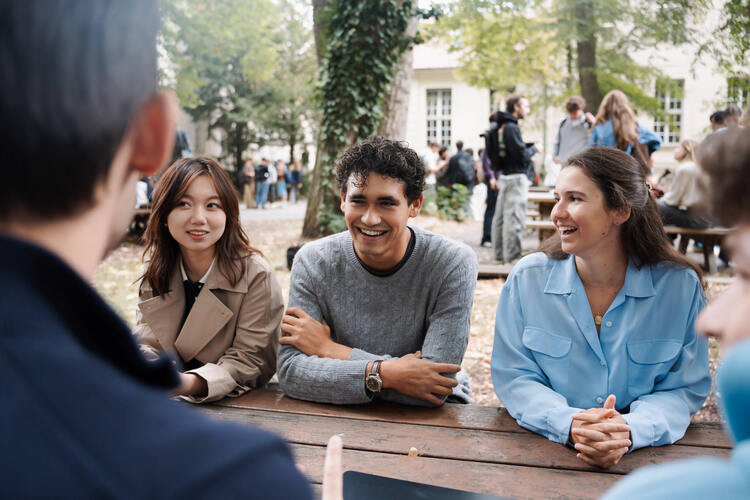
Speak with an admissions advisor
No matter where you are in the process, our recruitment & admissions staff can help you decide your next steps. Book a 1-on-1 consultation at a time that fits your schedule.
Book an appointment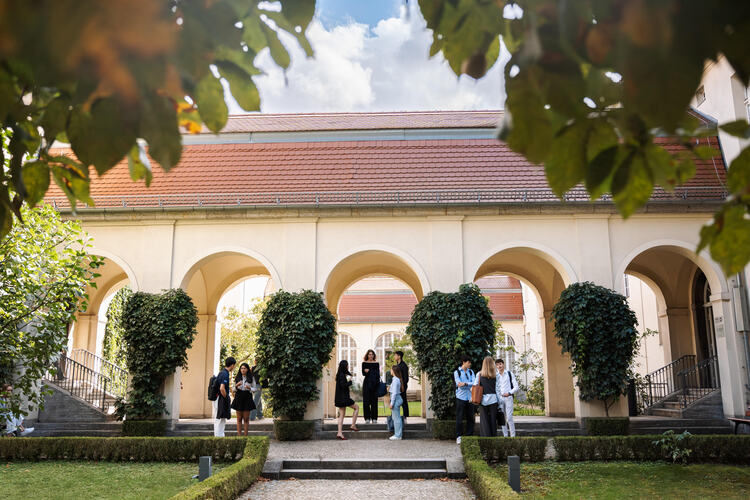
Visit our Berlin Campus
Explore what makes ESCP Business School in Berlin special. If you're in or visiting Berlin, we’re happy to give you a campus tour. Click below or reach out for more info.
Learn more
In-person Coffee Chat
We often travel to meet prospective students like you. If ESCP is coming to your city and you'd like a relaxed coffee meet-up, please get in touch.
Book an appointment