
Executive Master in Digital Innovation and Entrepreneurial Leadership (EMDIEL)
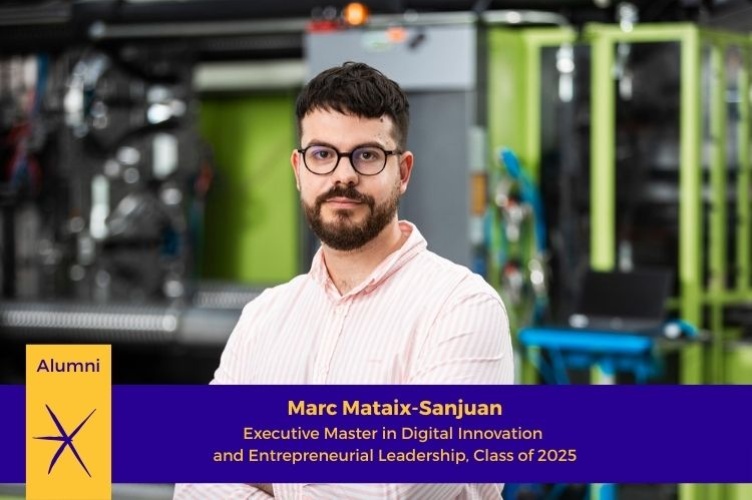
Meet the Alumni: Marc Mataix-Sanjuan, Class of 2025
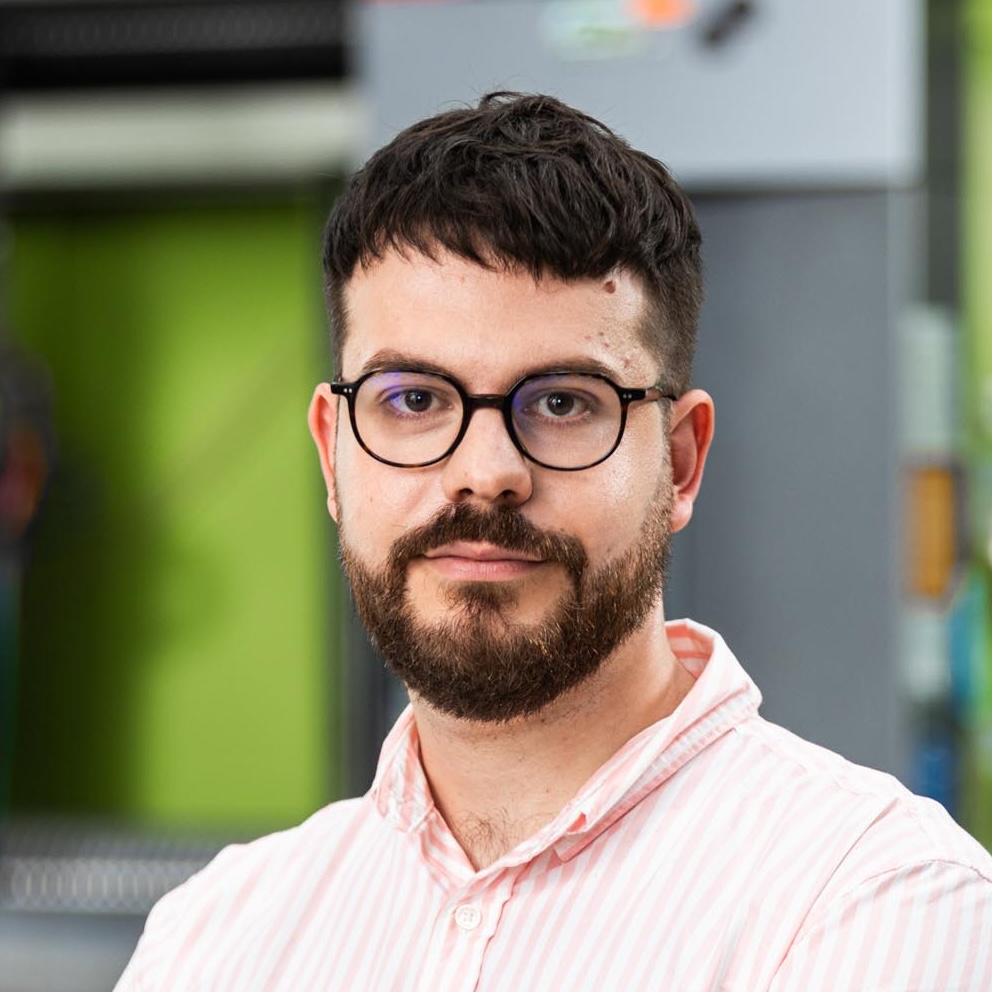 I’m a Spanish CFO who started in M&A consulting, then walked away from the safety of slides to run finance in a German SME. By asking questions no one had answers to, or patience for. I ended up leading its digital transformation. Techno music, its discipline, repetition, and controlled chaos, deeply shapes how I think about systems, execution, and leadership.
What motivated you to choose the EMDIEL programme?
I’ve always been a hard-core financier. I genuinely love the discipline and have even taught it but I was also clear about where it stopped being useful. My way of solving problems was boxed in by financial logic, and my understanding of digitalisation fell apart the moment Excel stopped being enough. I was looking for a programme that would stretch how I think, and give me enough digital fluency to properly engage with, and be taken seriously by, digital professionals.
How has EMDIEL contributed to your professional growth so far?
EMDIEL has fundamentally changed who I am as a professional. Beyond knowledge and network, it gave me something more important: a much clearer awareness of who I am, and where my particular mix of skills actually creates value. Before joining the programme, I would never have seen myself as anything close to an entrepreneur. Today, I’m back in Barcelona and about to start a project I’m helping build from scratch, one that feels genuinely aligned with who I am and how I work. I believe this shift is unique to how the programme is structured. Skills and knowledge matter, of course, but this kind of professional realignment only happens in the EMDIEL room.
What personal habit or way of working did EMDIEL help you evolve the most?
EMDIEL gave me a renewed sense of security and speed. I was hard-wired to believe that being professional meant planning every possible scenario to reduce risk, which makes sense given my finance background. Through the programme, I learned that depending on the problem, it can be far more professional to start early in a structured way, learn through action and iterate, and that this is often cheaper as well.
This shift in mind-set opened challenges I simply couldn’t tackle before. And to be clear, it’s not an either–or choice: it’s both. Knowing when to plan and when to move has brought me much closer to innovators, entrepreneurs, and disruptors in ways I wouldn’t have managed otherwise.
What about the structure of EMDIEL made the learning feel different from other programmes you’ve experienced?
What felt different is that EMDIEL doesn’t separate thinking from doing. You’re not asked to first understand something perfectly and then apply it later. The structure puts you in situations where you have to engage and take decisions while things are still unclear. That forces learning to happen in motion, not in retrospect.
At the same time, there’s enough structure to stop it becoming chaotic. Concepts are introduced just when they’re needed, not as an abstract toolkit. That made the learning stick, because it was immediately connected to real questions I was already dealing with.
The other difference was the people and the setup. With such diverse backgrounds and locations, a lot of the learning happened outside the formal sessions. You end up testing ideas in conversation, not just in assignments. Over time, it feels less like attending a programme and more like being inside a working environment that reshapes how you think and act.
What key skills did you develop through the EMDIEL programme?
The most valuable thing I developed was a way of dealing with uncertainty and volatility that is structured, almost scientific, but still moves things forward. EMDIEL cut through a lot of noise and gave me clarity on how to act when information is incomplete and the ground keeps shifting.
On digitalisation, the mission is accomplished. I can now sit with tech teams who, let’s be honest, rarely love finance or management consultants and genuinely understand how they think and work.
In addition, through a mix of theory, hands-on experimentation, and real cases, I finally built a grounded understanding of what AI actually is, and how to apply it productively in a business context, beyond hype or demos.
Lastly, and more unexpectedly, the diversity of both the people and the locations reshaped how I think about leadership. Experiencing different cultures up close made it clear how powerful diversity becomes when it’s paired with real psychological safety not as a value statement, but as an execution advantage.
How valuable did you find the network of classmates and faculty?
When I say I’m studying alongside someone whose dream is to mine in space - and who actually secured a grant during the programme to start developing that technology - people think I’m joking. I’m not. That’s genuinely the calibre of people you find in EMDIEL, both among the students and the faculty.
What’s different is that the network isn’t built on politeness or status, it’s built under pressure. Relationships form while people are exposed, confused, and trying things that might fail. That creates a very different kind of bond. You don’t reach out to EMDIEL people when things are polished or when you want to showcase success, you call them when things are messy and you don’t yet have a clear story.
When I started sketching my new project in Barcelona, the very first thing I did was call another EMDIEL participant for help. The real value isn’t access, it’s trust at low ego cost. And you only fully realise that once you actually need help before you know where you’re going.
At what point did you realise the programme was changing how you think or act?
One year into the programme, a personal branding exercise caught me off guard. I saw myself as analytical; my peers kept pointing to empathy I hadn’t fully claimed. That shift still shapes how I lead today: less performing, more being present and creating moments with people, not bullet points in slides. And decisions land better because of it.
What do you feel more comfortable saying “yes” to today?
I feel more comfortable saying yes to situations that are still forming, where not everything is defined upfront. Before, I had a tendency to look for clarity, structure, or a solid plan before committing. Now I’m much more at ease stepping into projects where the direction will only become clear through action.
Campuses