
Navigating electronic surveillance in the workplace: a Canadian perspective A fascinating project launched in December 2022
Research context
The research examines the widespread adoption of electronic surveillance in Canadian workplaces, driven by increased remote work and sales of bossware. The study explored which surveillance technologies were in use and employees’ perceptions of legitimacy, transparency, and privacy.
Research question
How do Canadian employees perceive electronic surveillance in their workplaces, particularly in terms of legitimacy, transparency, and privacy?
Methodology and milestones
Survey Data Collection (2023): Mixed-methods research design including focus groups
with 30 FTQ, CSQ, and CSN union representatives (March 2023) and a time-lagged survey with 762 responses by unionized employees (June-July 2023).
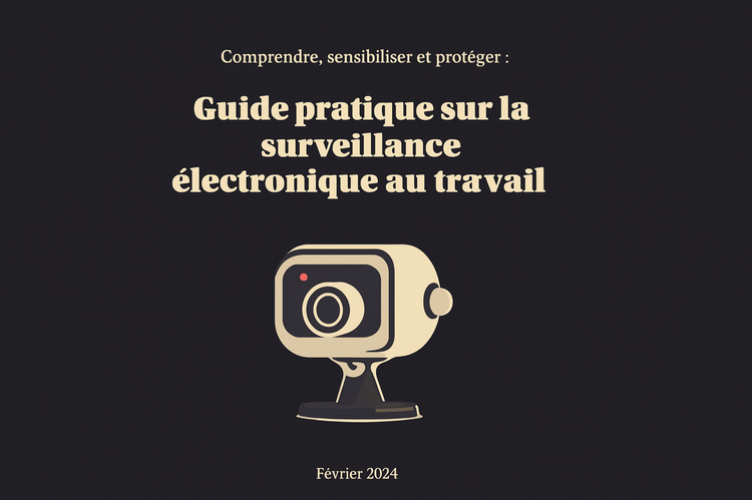
Milestones: Development of a practical guide for employers and employees defining and documenting the prevalence of surveillance technologies as well employees’ concerns with these technologies The aim is to engage stakeholders for feedback and developing policy recommendations.
Research team
- Ariane Ollier-Malaterre (UQAM)
- Xavier Parent-Rocheleau (HEC Montréal)
- Yanick Provost Savard (UQAM)
- Sabrina Pellerin (UQAM)
- Kenza Benkrid (UQAM)
Research keytake aways
Over 80% of surveyed employees reported exposure to at least one form of electronic surveillance.
A significant proportion expressed concerns over transparency, with only 4% considering their employers fully transparent.
Privacy concerns and fears of intrusive or illegitimate use of data were prevalent, especially among employees in remote work and large organizations.
Campuses