
Insights from the AI in Higher Education Summit
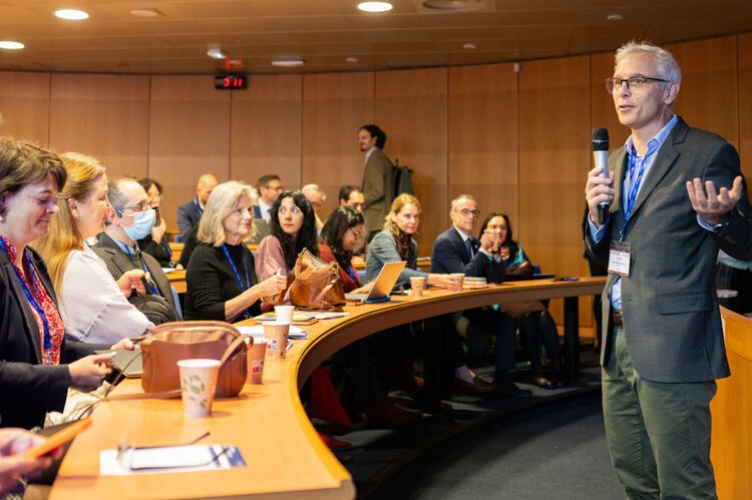
Held at ESCP on 17–18 March 2026, the first AI in Higher Education Summit brought together researchers, professors, institutional leaders, accreditation bodies, ed-tech pioneers, policymakers and industry experts to explore how higher education should evolve in an AI-driven world.
Over two days in Paris, ESCP Business School and the ESCPTech Institute convened the first AI in Higher Education Summit, an international gathering dedicated to one central question: how should higher education evolve in an AI-driven world?
The event brought together 183 participants — including researchers, professors, institutional leaders, accreditation bodies, ed-tech pioneers, policymakers and industry experts — representing 67 universities and more than 27 countries.
Across 40+ parallel sessions, 8 keynotes and 3 roundtables, the Summit surfaced a shared reality: the question is no longer whether universities should adopt AI, but how they can do so responsibly, equitably and with lasting educational purpose.
What emerged was a clearer map of the pressures reshaping higher education. Across the Summit, six thematic areas stood out: governance, the changing skill premium, assessment, pedagogy, research integrity and sustainability. Together, they pointed towards a more demanding vision of AI readiness, one that goes far beyond experimentation with tools.
The question is no longer whether to implement AI. It is how to do so responsibly.
 Louis-David
Benyayer
Louis-David
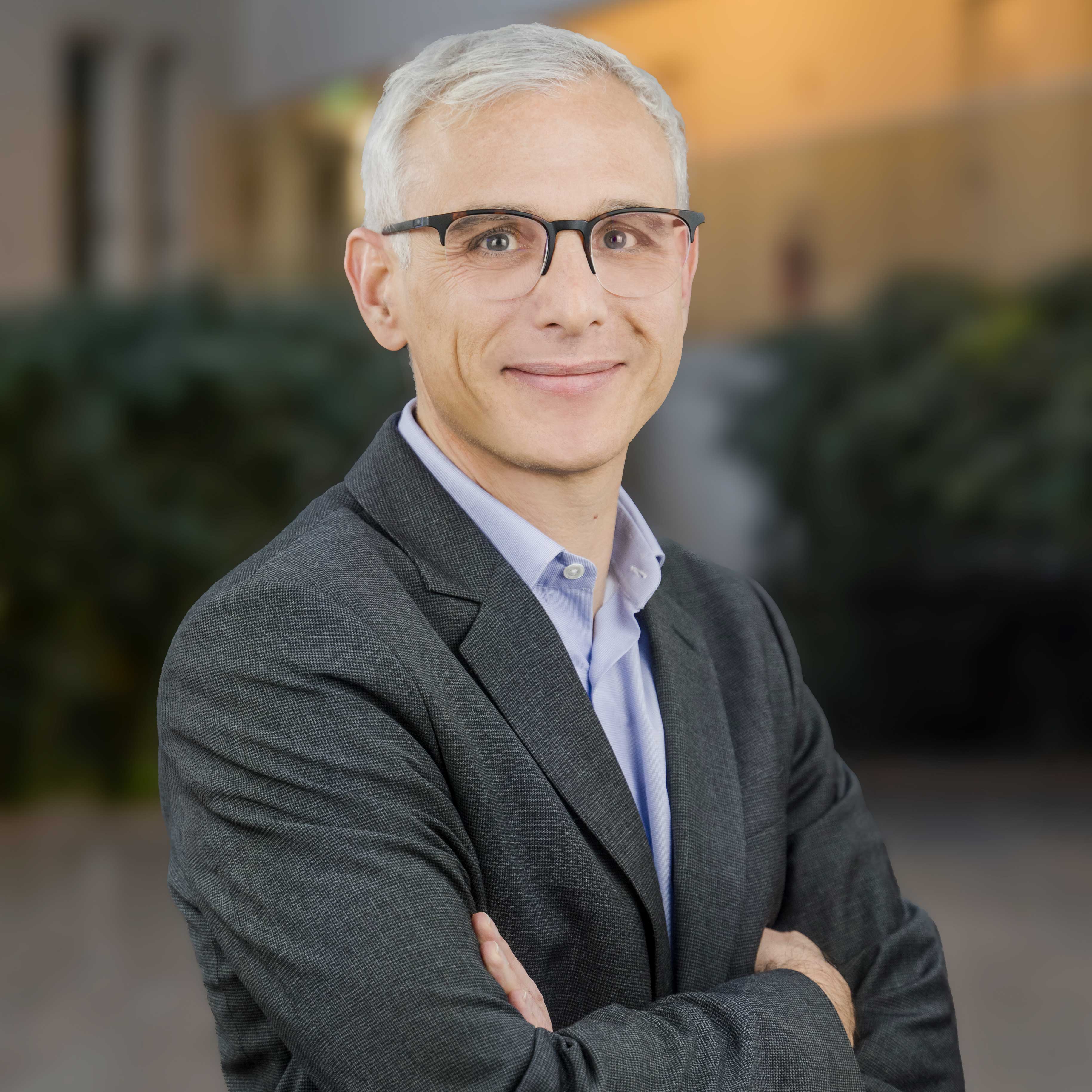
BenyayerAssociate Professor of Digital Transformation
AI Initiatives Coordinator at ESCP
Chair of the Summit
Governance before tools
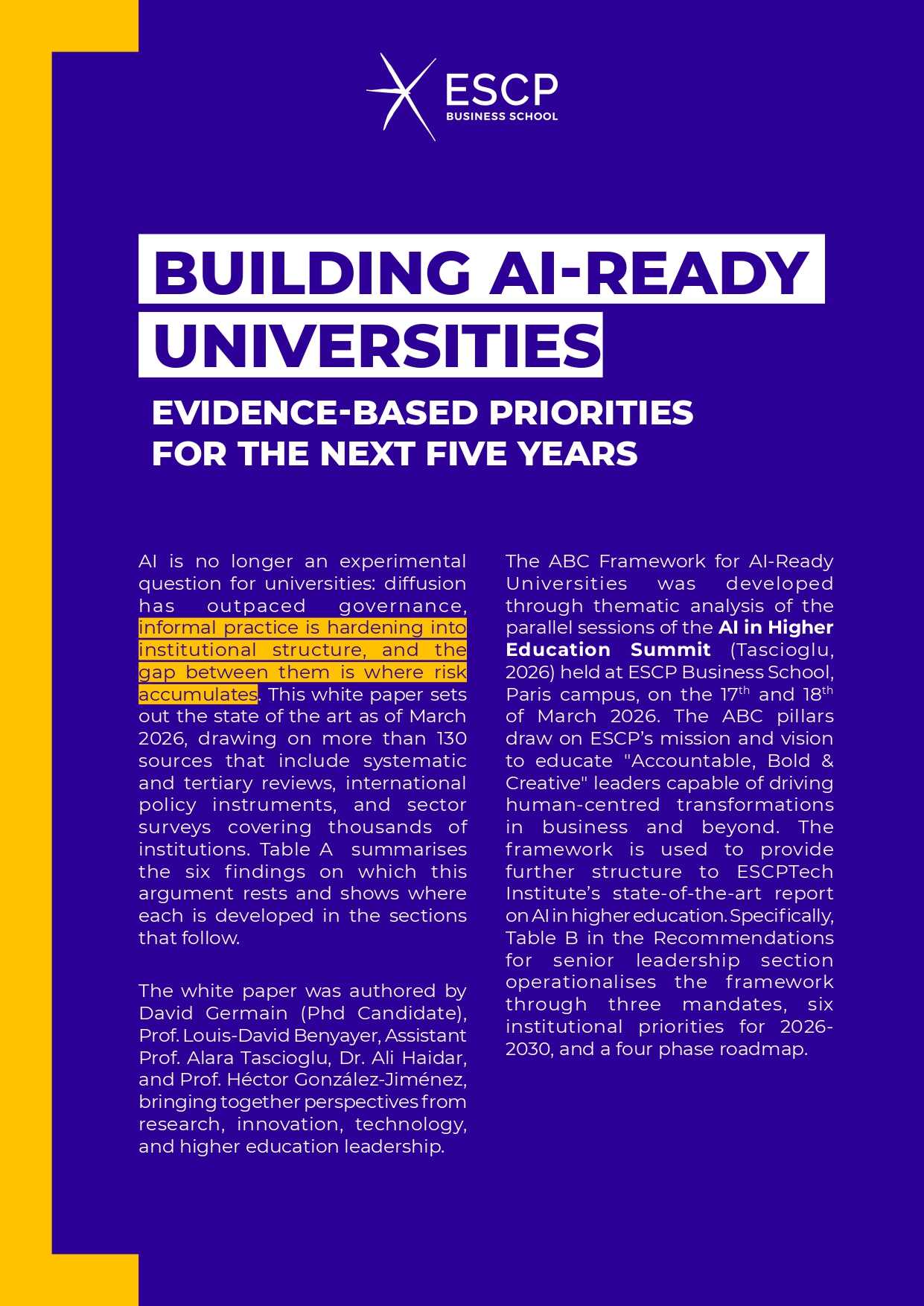
One of the Summit’s strongest messages was that AI maturity starts with proper governance. In the opening keynote, Prof. Louis-David Benyayer and Alara Tascioglu introduced ESCP’s ABC framework for AI-ready universities, highlighting that institutions need governance before tools, disciplined experimentation rather than isolated pilots, and a redesign of teaching around judgment and what remains irreducibly human.
This question of governance ran through several sessions. AI adoption is already widespread in higher education, but governance is often fragmented or disconnected from day-to-day practice. Speakers also pointed to a wider strategic challenge: from the EU AI Act to digital sovereignty, universities are being pushed to decide not only how they use AI, but what they control, what they share and what they risk giving away.
In her keynote, Clara Chappaz, French Ambassador for Digital Affairs, framed AI as a geopolitical issue and argued that digital sovereignty must become a strategic concern for higher education. Later, Pénélope Gittos of Hugging Face showed how open platforms can support teaching, research and experimentation while giving institutions greater visibility into the tools they use.
The new human skills premium
Another strong thread was the shift from execution to judgment. Corporate leaders and academic speakers converged on the same point: as AI automates more tasks, the value of distinctly human capabilities rises. The sessions surfaced a new premium on AI literacy, critical thinking, problem framing, empathy, strategic judgment and cross-domain creativity.
The Summit’s employer-focused discussions reinforced this shift. According to findings from Carrington Crisp presented during the governance track, 58% of employers believe universities are not doing enough to prepare graduates for an AI-enabled workforce, while 77% of companies expect new graduates to have AI experience, even as many struggle to define exactly what that means.
That conversation was grounded in employer reality during the corporate roundtable, which featured leaders from Sanofi, Accor, Newfund, QS, Sixt and Reply.
Assessment and pedagogy are being redesigned
Assessment emerged as one of the Summit’s most contested issues. The Summit highlighted a field in transition, with institutions experimenting, retreating or redesigning in response to generative AI. The key takeaway was that assessment reform should be design-led, not fear-led: the goal is to evaluate the process of thinking, framing and deciding, not just the final output that AI can now generate in seconds.
That logic extends into pedagogy. Several speakers argued that if AI can increasingly solve well-defined problems, education must focus more deliberately on problem framing. Speakers described a shift from teaching students to produce answers towards helping them ask better questions, work with ambiguity and understand when to use — or refuse — AI.
Adoption is a human challenge, and organisations move at the speed of trust.
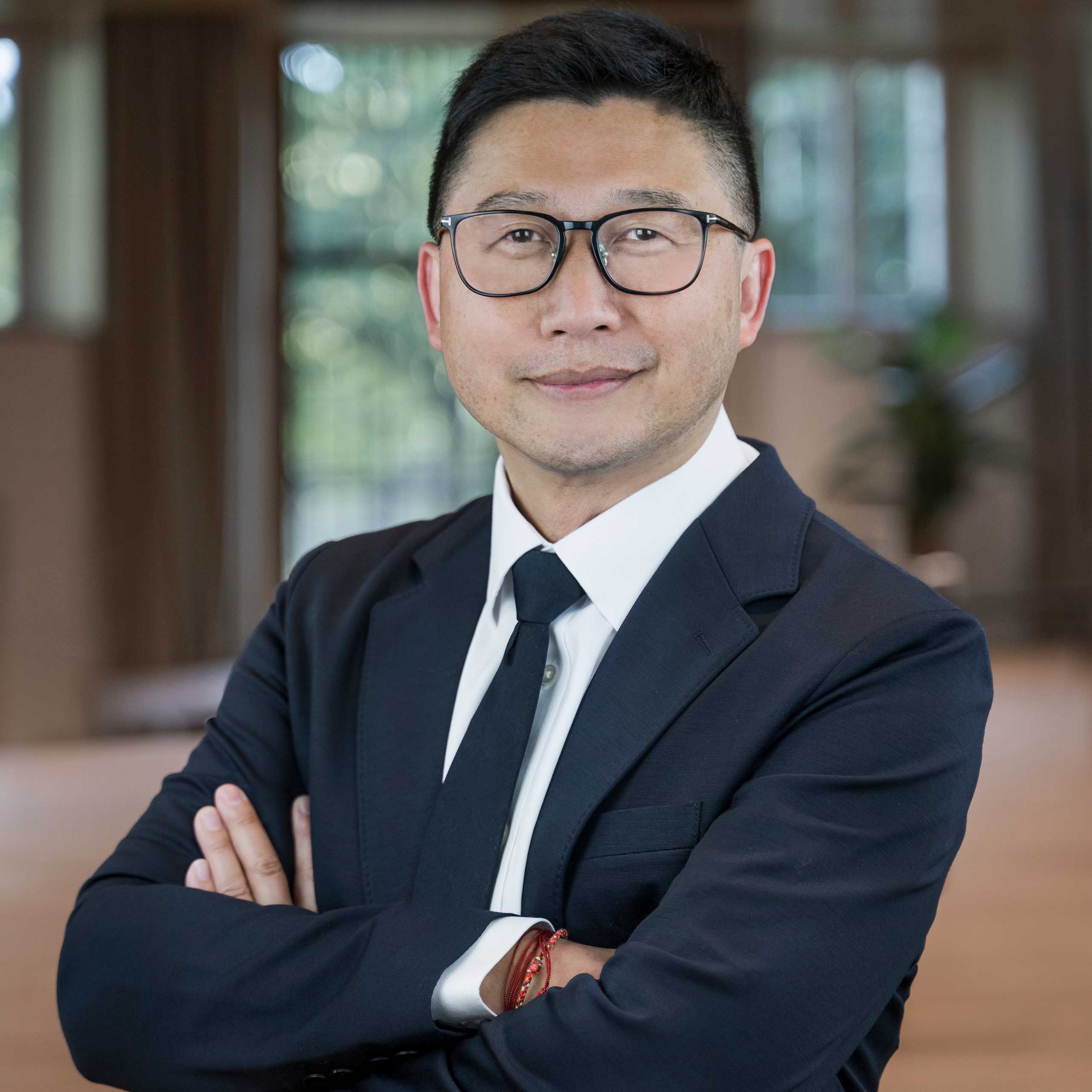 Prof.
Leon Laulusa
Prof.
Leon LaulusaDean of ESCP Business School
Research integrity and sustainability are no longer side issues
The Summit also highlighted two areas that are often treated as secondary, but cannot remain so: research integrity and sustainability. On the research side, contributors raised concerns around hallucinations, industrialised paper fraud, reviewer fatigue and academic deskilling.
The research dimension was also explored by Sébastien Bubeck of OpenAI, whose keynote examined how advanced AI systems are transforming the research process itself, from literature review to experimentation and discovery.
On sustainability, a closing roundtable featuring Gorgi Krlev, Associate Dean of Sustainability at ESCP, Sandrine Kergroach of the OECD, and Mario Calderini from Politecnico di Milano made a deliberate point: the final measure of AI integration is not what it enables, but what kind of institutions and societies it helps build.
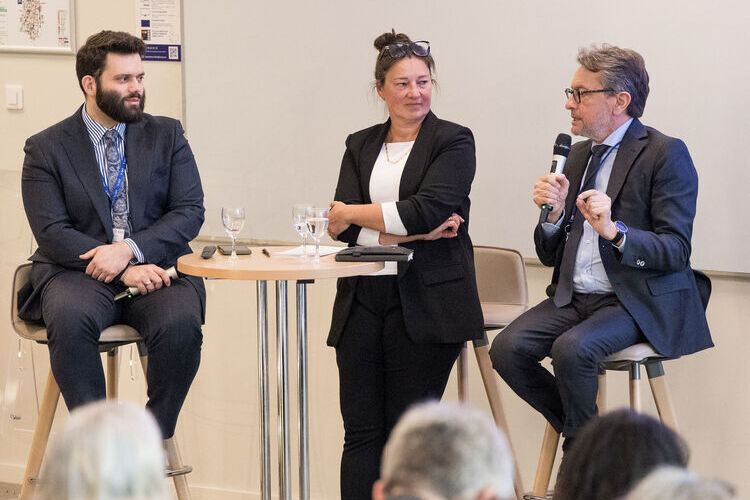
Five debates shaping the future of AI in higher education
The summit surfaced five defining debates that will continue to shape higher education, including: efficiency vs. educational purpose; adoption speed vs. institutional trust; automation vs. human judgment; open innovation vs. sovereignty and control; and scale vs. responsibility.
Taken together, these debates suggest that AI readiness is not simply about access to technology. It is about institutional judgment: how universities govern change, redesign learning, protect trust and decide what kind of future they want to build.
To explore the Summit’s insights in full, download the Executive Report. It brings together the main arguments, examples and strategic recommendations discussed across the two-day event.
No single institution can navigate this transition alone. We need shared frameworks, shared research and shared experimentation environments.
 Prof. Francesco
Rattalino
Prof. Francesco
RattalinoExecutive Vice-President for Academic Affairs and Student Experience at ESCP
What’s Next at ESCP
ESCP’s 2026–2030 strategic plan, Bold and United, outlines the School’s ambition to become the European University of Management built on three pillars: business, technology and governance. Together, they aim to develop multidisciplinary leaders capable of navigating AI through a combination of managerial insight, technical understanding and ethical responsibility, reflecting ESCP’s ambition to act as a living laboratory for AI-powered education.
Relevant link
Campuses