
A landmark gathering at ESCP Business School explores the future of executive education
EMBAC 2026 in Turin brought global EMBA leaders together to discuss AI, HR expectations and the future of executive education.
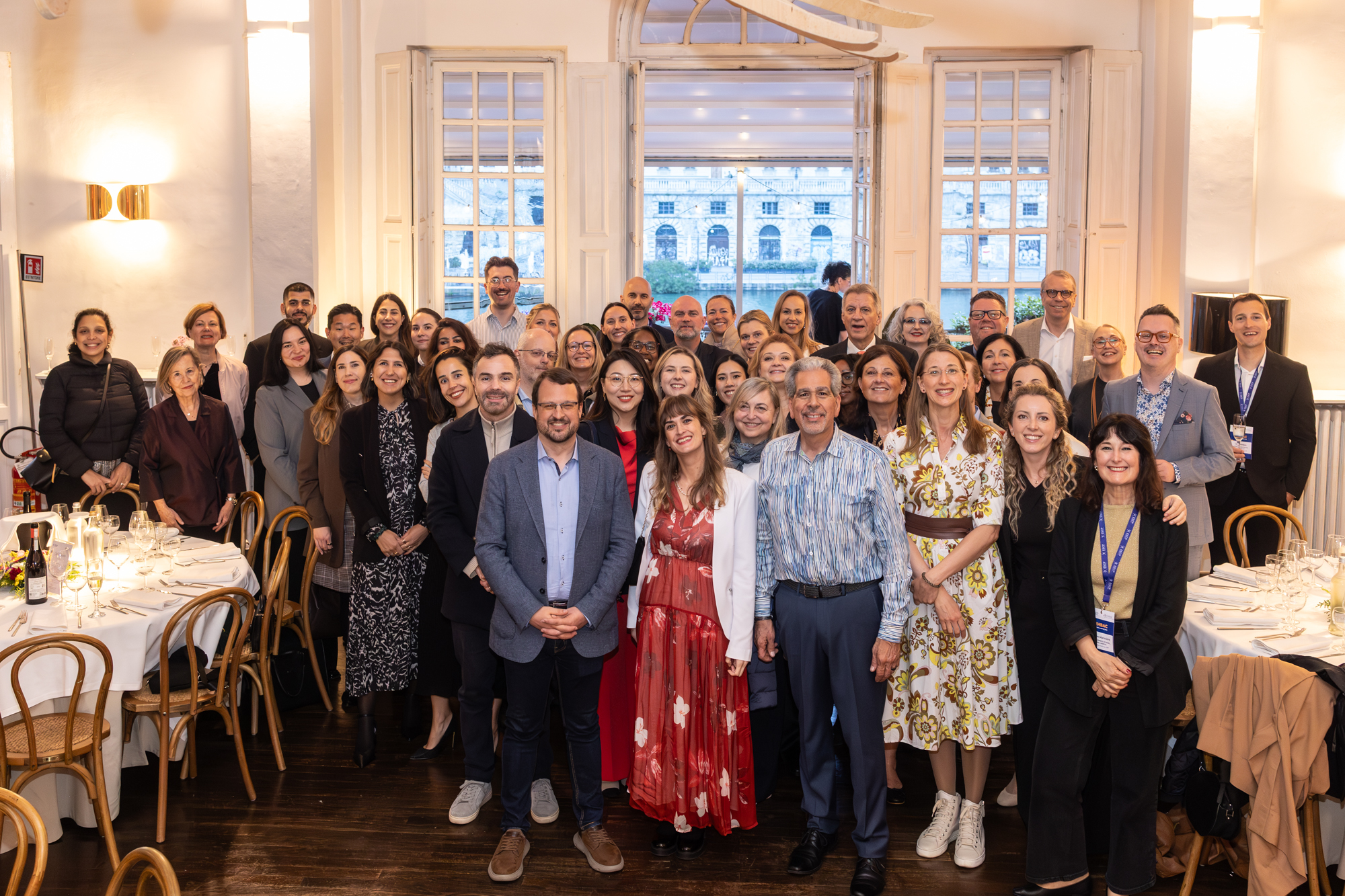
From 4 to 6 May 2026, ESCP Business School Turin welcomed over 60 directors and senior representatives from 38 leading business schools across Europe, the Middle East and Africa for the EMBAC Regional Meeting 2026.
The event marked a milestone for ESCP, hosting the regional conference of the Executive MBA Council (EMBAC) for the first time in its history.
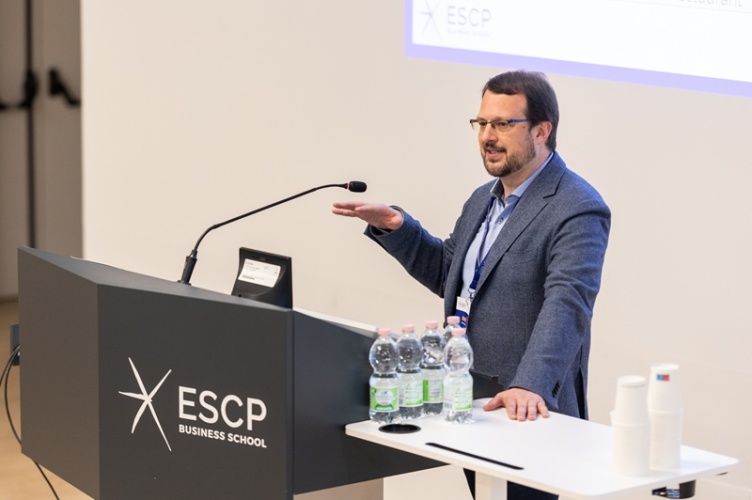
As Francesco Venuti, Dean of ESCP's Executive MBA, explains: “The EMBAC Regional Meeting is more than a gathering. It is a catalyst for ideas, collaboration, and innovation. It offers a valuable platform to share best practices, strengthen networks, and reflect on the evolving landscape of executive education. Hosting this event at ESCP Business School for the first time is an honour we are proud to celebrate.”
The meeting created a space for meaningful dialogue, enabling participants to confront shared challenges, exchange actionable insights, and advance a collective vision for the future of executive education.
A global conversation hosted in Turin
Over two days of discussions, participants addressed a central question: how can Executive MBA programmes remain relevant, rigorous and impactful in a rapidly evolving landscape?
Key themes included:
- The transformation of executive education in a global market
- The growing influence of artificial intelligence
- The expectations of organisations and HR leaders
- The rise of entrepreneurial ecosystems and innovation
Market trends and strategic outlook for Executive Education
The conference opened with a data-driven keynote by Michael Desiderio, Executive Director of EMBAC, who provided a comprehensive overview of the current state of the Executive MBA market across Europe, the Middle East and Africa (EMEA) in comparison with global trends.
Drawing on EMBAC data, the session explored key dynamics shaping the sector, including:
- Trends in EMBA enrolment across regions
- The evolution of programme delivery formats (on-site, online, hybrid)
- Shifts in corporate sponsorship and funding models
- The growing integration of artificial intelligence in both programme design and learning processes
Desiderio highlighted a sector in transition, shaped by geopolitical uncertainty, technological disruption and shifting perceptions of educational value. While still stabilising post-Covid, business schools are increasingly challenged to redefine their value proposition, balancing academic rigour with flexibility, innovation and measurable impact.
Industry insight: what organisations expect
A highlight of the programme was the HR roundtable, moderated by Clara Bocchio (Head of Executive Education, ESCP Business School Turin), which brought together senior HR leaders from major organisations:
- Sara Scapinello (Global Digital Transformation PMO & Change Director at Lavazza Group)
- Fabio Comba (HR Director at KPMG Italy)
- Maria Grazia Manganelli (Senior Human Resources Manager at Reply)
The discussion provided valuable insight into how companies assess executive talent, the skills they prioritise, and the evolving role of executive education in leadership development.
A clear message emerged: organisations are seeking agile, globally minded leaders with strong digital and strategic capabilities, and expect business schools to adapt accordingly.
Learning innovation and global perspectives
Thematic workshops showcased best practices from leading institutions, offering concrete insights into programme design and impact:
- “The Capstone: Turning Academic Constraints into Career Acceleration Opportunities”, led by Floriane Civadier (Associate Director, HEC Paris), explored how capstone projects can become powerful drivers of career transformation.
- “EMBA International immersions”, delivered by Camille Meyer (Executive MBA Director, University of Cape Town), highlighted the role of global experiences in shaping responsible, internationally minded leaders.
Entrepreneurship also took centre stage, with Giancarlo Rocchietti, founder of the Club degli Investitori, exploring how business schools can better connect with investment ecosystems and foster high-impact ventures.
Breakout sessions allowed participants to dive deeper into their specific areas—from programme management to marketing and career development—encouraging peer-to-peer exchange and collaboration.
AI and the future of executive education
The second day focused on one of the most pressing topics in higher education: artificial intelligence.
Sessions included:
- Carlotta Reviglio (Strategic AI Success Engineer at OpenAI) on AI’s impact on executive learning and programme design.
- Sonia Ben Slimane (Executive Director of ESCP Research Institute of Management at ERIM) on assessment in the AI era.
- Dimitri Champollion (Executive Director Digital Education Executive at ESCP Business School) on maintaining academic excellence in digital formats.
These discussions highlighted both the opportunities and challenges AI presents, particularly in redefining assessment, personalising learning, and scaling digital education without compromising quality.
A milestone for ESCP and its community
Hosting EMBAC 2026 reinforced ESCP’s position as a key player in the global executive education landscape. The event not only strengthened ties within the international EMBA community but also showcased the Turin Campus as a hub for innovation and thought leadership.
Special recognition goes to the Dean of the Turin campus Alberta Di Giuli, Francesco Venuti, who played a key role in bringing the event to ESCP, alongside Michael Desiderio, EMBAC Executive Director, and Veronica Polichetti, whose contributions were instrumental in delivering a successful and impactful meeting.
A shared ambition for the future
Across sessions and conversations, one idea stood out: Executive MBA programmes are no longer just educational pathways—they are platforms for transformation.
As the EMBAC community continues to evolve, events like this reaffirm a collective commitment to:
- Advancing academic excellence.
- Strengthening global collaboration.
- Preparing responsible leaders for an increasingly complex world.
The EMBAC Regional Meeting 2026 in Turin was more than a conference—it was a forward-looking dialogue shaping the next chapter of executive education.
At ESCP, we remain committed to driving innovation, fostering collaboration, and educating leaders who can make a lasting impact.
Campuses
Related stories
News 08/05/2026
Executive Education
AI in Executive Education: EMBAC 2026 insights
At the EMBAC Regional Meeting 2026 in Turin, artificial intelligence took centre stage in discussions on the future of executive education. Bringing together global EMBA leaders, the event explored how AI is transforming programme design, assessment methods and digital learning environments.
Turin
Event 03/12/2025
Conference
EMBAC Regional Meeting 2026
ESCP Business School is pleased to host the EMBAC Europe / Middle East / Africa Regional Meeting 2026 in Turin on 4–6 May.
Turin