



In workplaces around the globe, a question that once felt theoretical for many professionals is now becoming harder to ignore: what, exactly, is left for humans to do?
Capable and autonomous AI systems are entering the workplace, handling tasks that once required skilled professionals. Jobs that took hours can be done almost instantly by software, including routine analysis, legal drafting and financial modelling.
That is raising a pointed question for many white-collar workers: if AI can do the work faster and cheaper, how secure is my role?
Now [executives] understand that AI can do much of the work. And the only way they can make a difference is by the way they think and impact others. Not by what AI can generate.

Rethinking your value
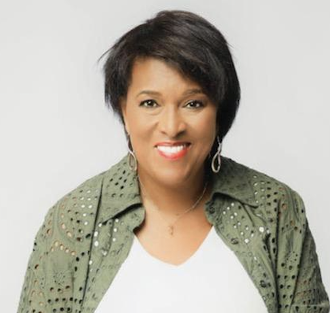
For Odile Bocandé-Koffi, an ESCP alumna who completed her EMBA in 2012 and now coaches senior executives across Europe, Africa and the US, the anxiety is already visible in her sessions.
She says AI has changed how many executives see their own value. “Now they understand that AI can do much of the work. And the only way they can make a difference is by the way they think and impact others. Not by what AI can generate.”
Her clients are typically senior executives considering their next career move. A recurring theme is redefinition. Promotion is no longer the only goal.
“They want to grow in the company,” she says. “But they also want to live more without burning out. They are rethinking what power, visibility, and success actually mean to them.”
When technology reshapes leadership
That reflection is taking place against a backdrop of structural workplace change. Hybrid work has reduced face-to-face time with teams, forcing leaders to rely less on visibility and more on clear communication and trust to keep people aligned and performing.
For many senior professionals, AI no longer feels like a tool but a competitor: one that does not sleep, negotiate or demand pay. “Very often the question is: what makes me different to AI and what can I do that still adds value?” Odile Bocandé-Koffi says. “It’s presence, influence.”
For example, Anthropic’s new AI tools can be tailored to industries such as law, finance and marketing, sparking concerns that even specialist expertise is no longer safe. Some workers argue their industry expertise still gives them an edge. But more professional tasks are clearly being automated.
If machines can replicate technical execution, the competitive frontier shifts upward. The question is no longer who produces the best analysis, but who defines the right problems to solve. In that sense, AI is not only automating tasks; it is forcing organisations to reconsider what leadership actually means.
Expanding your options
Even experienced professionals are now looking beyond their current company and sector to keep their options open. “They are more open to changing markets, sectors, countries,” she says. “They understand that today, change is a must. Being flexible is really something that is not optional.”
Most of her clients are also focusing on skills that are harder to automate. “They really want to acquire new skills, like emotional intelligence,” she says. She says this matters because AI cannot build real trust between people. “You also need to learn how to create links between the people in your company,” she says.
Put simply, the edge is moving from doing the technical work to building strong human relationships.
At the same time, priorities are shifting. Many senior executives now weigh quality of life as carefully as pay and status. In practice, that often means spending four days a week in the office and working the rest of the time remotely.
Very often the question is: what makes me different to AI and what can I do that still adds value? It’s presence, influence.
Rethinking your direction
If AI is reducing the amount of task-based work, it is also reducing patience for working in roles that no longer feel right. Odile Bocandé-Koffi encourages clients to complete a career review, beginning with what she calls their “internal GPS”.
The first step is diagnostic. “Ask why you want to change,” she says. Common triggers include feeling undervalued or less effective – signs that a role may no longer fit.
Because roles are changing quickly, skills that can move with you, transferable ones, are more valuable than narrow expertise, in her view. “It’s very important to unlearn and learn first,” she says. “They need to integrate that flexibility into their way of thinking.”
The most common mistake, she adds, is paralysis. “They are scared of making that move. I always tell them there is no certainty in life.”
Adapt or get left behind
In a market where AI can replicate analysis, drafting and forecasting, job security feels less certain. For individuals, standing still is not an option. Odile Bocandé-Koffi says change has to become a habit.
“Put innovation and change into your routine. Be ready to shift,” she says. “The world is moving too fast for you to try and stay the way you are.”
She often asks clients to create a vision board, a simple visual plan of the career and life they want to build. “They often don’t believe in it,” she says. “But when we start, they do. And in there, change is key.”
For senior professionals, that mindset is practical. AI can take over tasks, but it cannot replace leadership, judgment or trust. For today’s leaders, the real competitive edge lies not in competing with machines, but in mastering what remains irreducibly human.
In 2026, the issue is no longer whether AI will transform working life. It already has. The choice now is whether professionals adapt or get left behind.