
When diners walked into a small café in Tokyo a few years ago, they were greeted not by waiters, but…
5 November 2025 | 5 minute read
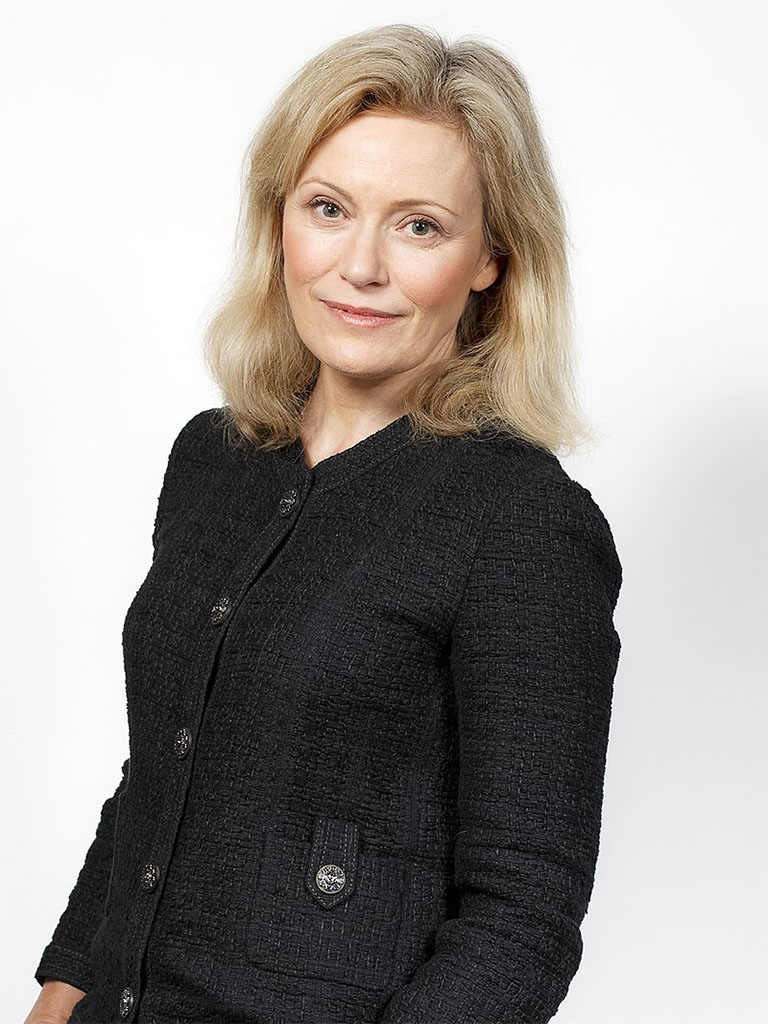
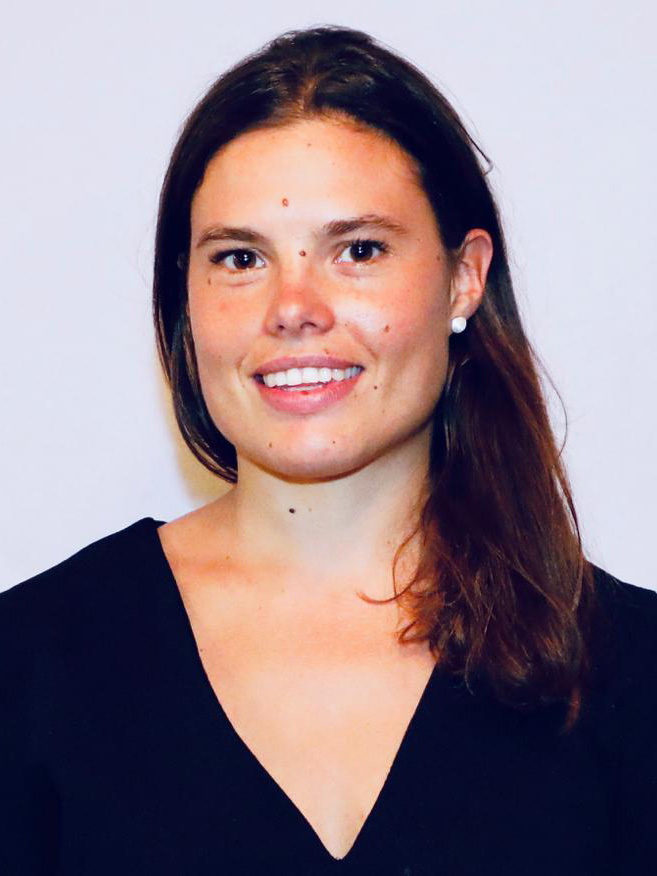
InsightsFormer President of the French Professional Football league Nathalie Boy de la Tour and Adèle Stern, a former high-level athlete (modern pentathlon) and member of the Paris 2024 Organising Committee for Olympic and Paralympic Games, share their experiences and take on gender equality in sports.
19 August 2021 | 8 minute read
Former President of the French Professional Football league Nathalie Boy de la Tour and Adèle Stern, a former high-level athlete (modern pentathlon) and member of the Paris 2024 Organising Committee for Olympic and Paralympic Games, share their experiences and take on gender equality in sports.
Hi Nathalie, Hi Adèle — you both are involved in sports at a very high level, whether by being an athlete yourself or on the business side of the industry.
Nathalie Boy de la Tour: When I worked in counseling or entrepreneurship, I was already in a male environment, but I did not see it as a challenge because I had integrated the needed codes. When I became president of the French Football League (FFL), I noticed that being a woman had not been a problem as long as I remained number two. But once I became the Number One leader, I started to feel that I was not as listened to as my predecessors. Tonie Marshall, who was a movie director I really admire, talks about “benevolent misogyny” applied to women as long as they are not in the position of leader. Men tend to put women forward at first, but once you get to the highest position, things get more difficult. You have to stand your ground, and in a particularly masculine environment, it can be hard not to feel isolated. Some studies have shown that in order for a female voice to be heard in governing bodies, it would require the presence of at least 30% of women among the board members.
Adèle Stern: In my opinion, sport is actually leading the pack in terms of gender equality. In the sport industry, people are much more aware of gender equality. I feel like the question is tackled more efficiently than in other industries. When I first joined the Paris 2024 Organising Committee, I felt that everyone was aware of how important gender equality is. And from what I see now, there are a lot of things put into place to make sure women have a voice in every part of the Committee.
Nathalie Boy de la Tour: I am very committed to diversity issues. When I became president of the FFL, I immediately decided to set up a corporate social responsibility (CSR) department to work through these questions. We signed partnerships with various associations that fight against sexist violence, homophobia or racism. What happens in stadiums is a reflection of society. And if football as a sport cannot radically change society, it can at least be used to pass on some important messages. We have worked with SOS Homophobie, Foot Ensemble and other NGOs to promote respect on and outside the field. I believe prevention is the best way to work on those issues. Through the Fondation du Football, which I helped create with Philippe Séguin, we organise workshops for younger kids to help them approach those questions at an age when sexual orientation starts to become evident.
Adèle Stern: Regarding the sports industry, I sometimes feel that women are well represented at junior or intermediate positions but the gap seems to show up for very high-level positions. Paris 2024 is putting a lot of effort into making sure women are well represented in the highest governing instances. On another note, the 2024 Paris Olympic Games will be the first gender-equal games in history, meaning there will be exactly as many women athletes as male athletes. It’s a very strong engagement from Paris 2024.
Nathalie Boy de la Tour: I’m starting to think that in order to have more women in leading positions, we should implement quotas. Most club presidents are men, and today it’s still hard to have perfect gender equality in football institutions. There still are barriers for women to be more involved in football. One of them is contained in the fact that football is highly publicised and it can be harder for women to be confronted with media exposure when it comes to the political nature of that sport. It’s also a very testosterone-fuelled universe, so you have to be really passionate and convinced in order to succeed as a woman.
Adèle Stern: When I started training as a pentathlete, boys and girls were trained together. Later, when I arrived at INSEP (National Institute of Sport, Expertise, and Performance) boys and girls were trained separately. I really wanted to be trained with boys because I was very good at running and performed better than most girls and always thought it would reinforce the overall French Pentathlon team spirit. At that time, it was difficult for them to understand how hard we were training since we were not able to reach the same results. Then, they decided to group the boys and the girls, and they saw that our results improved a lot. At that point, boys started to understand that girls were training very seriously, and were amazed by our ability to push ourselves so hard.
Nathalie, there was a debate around the mediatic treatment of the Women’s Football World Cup back in 2019, which is still less popular than the “men’s world cup”. American female players also protested that same year regarding their inferior pay compared to men’s and filed a gender discrimination lawsuit.
Nathalie Boy de la Tour: Those are unjustifiable gaps but we have to acknowledge the underlying economics of football. Women’s football is not as developed as male football. In order to pay women football players as much as male players, we have to create the right economic environment: so let’s create a melting pot of female players, work on the image of feminine football, enhance the value of TV rights, and create a real economy that will enable them to be better paid.
Nathalie Boy de la Tour: Sport is very important in female empowerment. It helps develop self-confidence from an early age. A study conducted in kindergarten and primary classes in France showed that boys occupy 70% of the space in the playground and little girls only 30%. Boys are raised to physically occupy the space. This figure means everything. If you occupy space physically at this age, it will be less difficult to occupy it in a professional environment. The day when little girls play football, things will change relatively naturally because they will learn to occupy space. The practice of football by little girls is crucial. Women referees like Stéphanie Frapard are examples to be proud of. The numbers shown by the Federation are positive though: women in the football industry (players, coaches, and referees) have grown from less than 90,000 players ten years ago to 200,000 today.
Adèle Stern: I think one of the most important aspects of sport is the generated awareness of what your body can do. Sometimes when you’re a girl, you can feel like your body won’t let you do as many things as you’d like, if you’re uncomfortable with it for example. And for me, doing all these different sports is a way to feel complete and free with the body that is mine.
Nathalie Boy de la Tour: To me, essential qualities would be courage, resilience, and the ability to listen, to build consensus. It’s also about having the right attitude: I think women should not be afraid of taking advantage of their singularity, not copying codes that are not ours. I truly believe in collective intelligence and the fact that different profiles bring something to the table.
Adèle Stern: My advice would be to look at who is in the same industry you want to work in or get inspired by female leaders you wish to become. Being a woman should not be thought of as a disadvantage. Women should not be scared of being different. Our way of seeing the world can be a real asset to a team.
When diners walked into a small café in Tokyo a few years ago, they were greeted not by waiters, but…
5 November 2025 | 5 minute read
Insights
Human Leadership & Transformation
The cultural dynamics within global institutions: a practical outlookIn today’s landscape of international business, organisational culture is rarely monolithic. Instead, it reflects a complex blend of national cultures…
8 January 2025 | 7 minute read
Insights
In a time when division and exclusion are all too common, whether rooted in social, racial or cultural differences, Pauline…
28 November 2024 | 5 minute read
The Salon