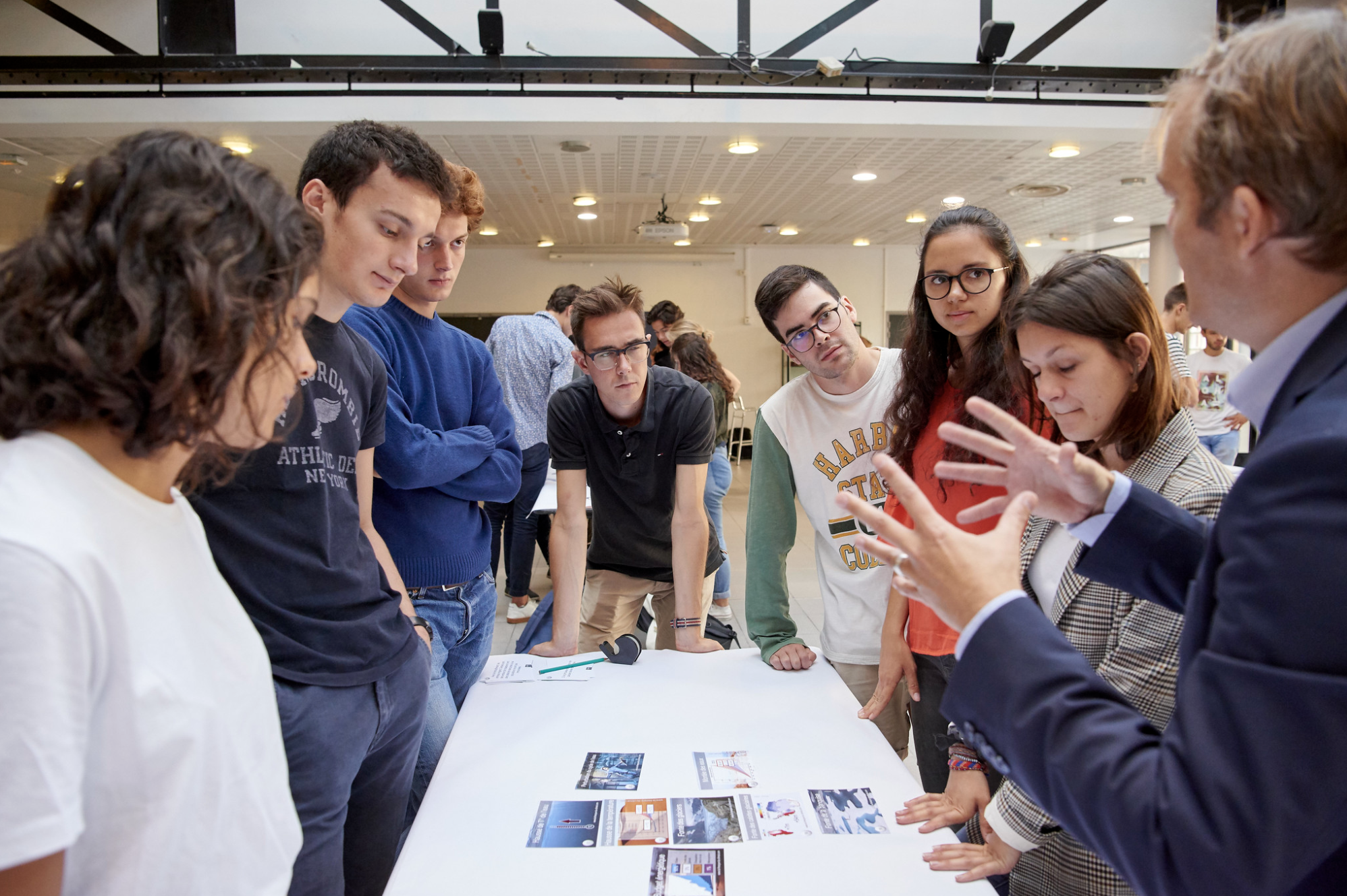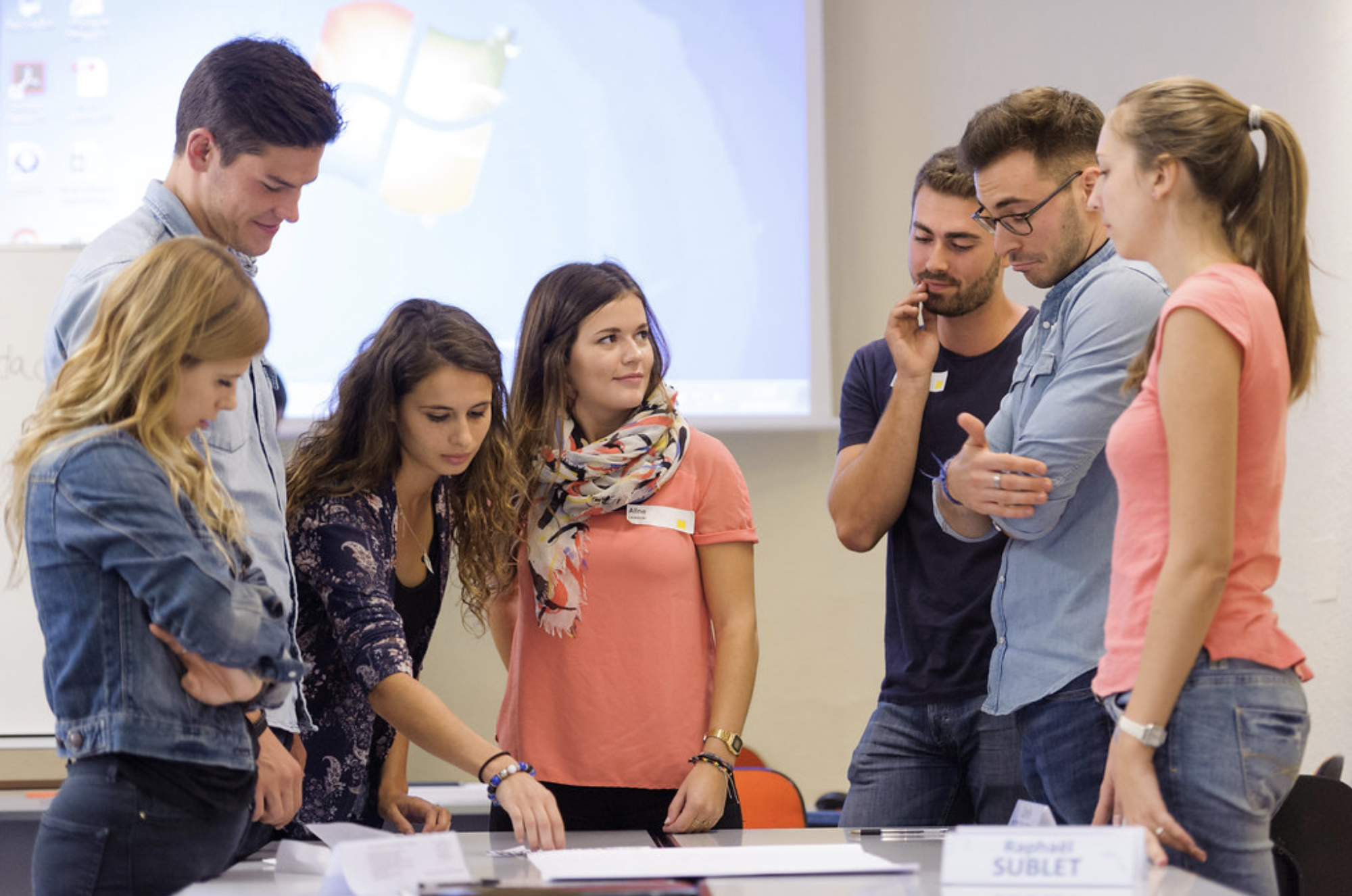
Our world is becoming increasingly connected. The rise of digitalisation and globalisation means that even the smallest of start-ups need to consider an international audience. As well as this, the modern workforce is likely to represent multiple nationalities with multiple perspectives.
Students and graduates from a business management program at ESCP Business School will be well prepared to succeed in this international environment. The Bachelor of Management (BSc) programme at ESCP gives students the opportunity to live, study and work in three different cities over three years. This means that graduates will have the opportunity to connect with individuals from around the world throughout their studies.

Those enrolled in a degree programme at ESCP will immediately join a vast community of students from around 120 different nations. In addition, graduates will also be part of an alumni network of more than 85,000 professionals based in 150 countries worldwide.
Read on to discover the importance of an international network and how it can lead to professional success and personal development.
An International Network Can Make You a Better Manager
Being part of a multicultural and multilingual team can help you to become a better manager. At ESCP Business School, students often go on to become entrepreneurs, CEOs, heads of departments, or managers.
Students can learn valuable skills by working with peers from diverse backgrounds and navigating new cultures and languages as part of the business management program at ESCP. These skills are particularly beneficial in leadership positions.
For example, a good manager should be empathetic, open-minded, and an excellent communicator. Recent research on cross-cultural communication (Cross-cultural communication in global teams, World Journal of Advanced Research and Reviews, 2025) highlights that managers operating in international environments must be able to recognise linguistic differences, adapt to diverse communication styles, and remain sensitive to non-verbal cues, as these factors strongly influence collaboration and team cohesion.
The study emphasises that leaders who demonstrate cultural awareness and encourage open dialogue are better equipped to prevent misunderstandings, build trust, and support effective decision-making within global teams. As a result, such managers tend to communicate more clearly with employees and foster higher levels of engagement and performance across culturally diverse contexts.

As an aspiring leader or manager, you will need to know how to manage a diverse workforce. Students enrolled in the Bachelor in Management (BSc) at ESCP will have numerous opportunities to develop these skills as they live, work, and study in new international environments.
Improve Cross-Cultural Communication with an International Business Degree
Candidates holding an international business degree are often better equipped with strong cross-cultural communication skills, developed through sustained exposure to different academic, professional and cultural environments. Having studied and worked alongside peers from diverse backgrounds, they are more likely to recognise subtle cultural differences, adapt their communication style accordingly, and anticipate potential misunderstandings before they arise. This international mindset enables them to navigate complex professional contexts with greater confidence and sensitivity.
A well-known case study from The Culture Map illustrates how cultural differences in feedback can lead to miscommunication. In the example, a French employee believed she was performing exceptionally well, while her American manager was dissatisfied with her results. The misunderstanding stemmed not from performance itself, but from contrasting communication norms: American managers tend to frame feedback positively and soften criticism, whereas in France, feedback is often more direct and explicit. As a result, the employee interpreted the absence of strong criticism as a sign of success, while the manager assumed expectations had been clearly communicated.
This example highlights how cultural frameworks shape communication styles and why international experience is essential in today’s global workplace. Graduates with a solid international background are better prepared to decode such differences, align expectations, and foster clear, effective collaboration across cultures.
Access More Opportunities Worldwide
Finally, building an international network plays a crucial role in opening doors to a wider range of professional opportunities. The connections formed at ESCP Business School often extend well beyond graduation, evolving into long-term professional relationships, future business partnerships, or valuable links to new markets and career paths. Learning alongside a diverse, international cohort means becoming part of a truly global community from the very start of your career.
Developing such a network early on provides a significant advantage in today’s interconnected business environment. Many organisations already invest heavily in cultural training programmes to help employees adapt to global teams. For instance, through initiatives such as intercultural workshops or rotational experiences across regions.
However, graduates of a multinational and multilingual degree programme enter the job market already equipped with this global perspective. Their international exposure, combined with a strong professional network, allows them to integrate more quickly, collaborate more effectively, and remain one step ahead in an increasingly competitive global landscape.
Do you want to learn more about our bachelor of business?
Contact ESCP Business School today!